Sanford mayor warns proposed homestead tax hike could cut city revenue by $15 million
Sanford says the proposed homestead hike could drain $15.3 million in two years, forcing choices between police, fire, parks and road work.
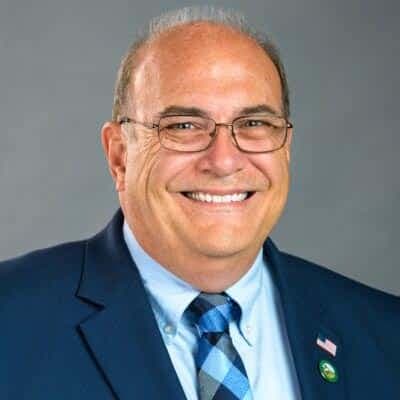
Sanford Mayor Art Woodruff warned that Florida’s proposed homestead tax change could strip more than $15 million from the city’s budget over two years, a hit he said would quickly force Sanford leaders to choose between public safety, parks, street work and other basic services.
The amendment, HJR 1-F, passed the Florida Senate on June 2 and would go to voters in the November 2026 general election if it clears the remaining steps. It would raise the homestead exemption on non-school taxes to $150,000 in 2027 and $250,000 in 2028, while leaving school district levies untouched. State analysis also says it would lower the assessment cap for non-homestead properties from 10% to 5% a year and create a five-year exemption path for some new Florida residents.
For Sanford, the numbers are blunt. An analysis prepared by the Seminole County Property Appraiser and shared with WKMG News 6 projected the city’s taxable value would fall by $819 million in 2027 and $1.3 billion in 2028 if voters approve the measure. That would mean estimated revenue losses of about $6 million next year and $9.3 million the year after, Woodruff said, for a combined reduction of roughly $15.3 million.
That would land in a city that depends heavily on property taxes. Sanford’s 2025-26 budget sets the millage rate at 53.5 cents and projects $26,291,859 in property-tax revenue. Public safety accounts for 49% of general-fund spending, and the city’s homesteaded properties make up about 21.7% of total taxable value. Nearly half of Sanford’s 22,367 parcels, about 10,663 properties, currently receive the homestead exemption.
Those figures explain why the mayor’s warning goes well beyond a political fight in Tallahassee. A loss of that size would push pressure onto the police department, fire services, parks, maintenance crews and road upkeep unless city leaders offset it with reserves, cuts or a future tax-rate change. Sanford’s 2025 annual comprehensive financial report says the City Commission has informally aimed to keep an unassigned general-fund balance at 14% of annual spending, which leaves limited room for a recurring revenue drop of this scale.
The proposal is being sold statewide as homeowner tax relief, but in Sanford the tradeoff is immediate: residents who own homesteaded property could see more tax shelter, while the city would absorb the loss through fewer services, leaner staffing or higher rates later. Woodruff said Sanford has cut budgets before, including during the 2008 downturn, but he said the speed and size of this change would make it especially difficult to manage.
This article was produced by Prism’s automated news system from verified source data, official records, and press releases, then run through automated quality and moderation checks before publishing. The system is built and supervised by the people who set the standards it runs under. Read our full AI policy.
Know something we missed? Have a correction or additional information?
Submit a Tip