Sanford police say missing teen Mark A. Nelson found safe
Sanford police said 18-year-old Mark A. Nelson was found safe after a weeklong search. Officers had asked for help because he was considered endangered and believed to be traveling on foot.

Sanford police said missing 18-year-old Mark A. Nelson was found safe, ending a search that began after he was last seen in Sanford on June 7. Officers said Nelson was considered endangered because of a mental health diagnosis, and they believed he was traveling on foot between Sanford and Wesley Chapel.
The City of Sanford alert placed Nelson last seen in the 2700 block of South Orlando Drive, and police said he was known to travel between Sanford and Wesley Chapel. Local reports said he was last seen walking north on South Orlando Drive, a detail that helped narrow the search for anyone who might have spotted him along the busy corridor.
The city described Nelson as about 5-foot-10 and about 170 pounds. Police also said he had a hearing impairment, a semicolon tattoo on his left wrist and a tattoo of a hand on his right forearm. He was last seen wearing a black shirt with an American Sign Language design and red shorts with an Aztec pattern. WKMG ClickOrlando reported that officers said Nelson communicates primarily through sign language and can read lips if the speaker is in front of him.
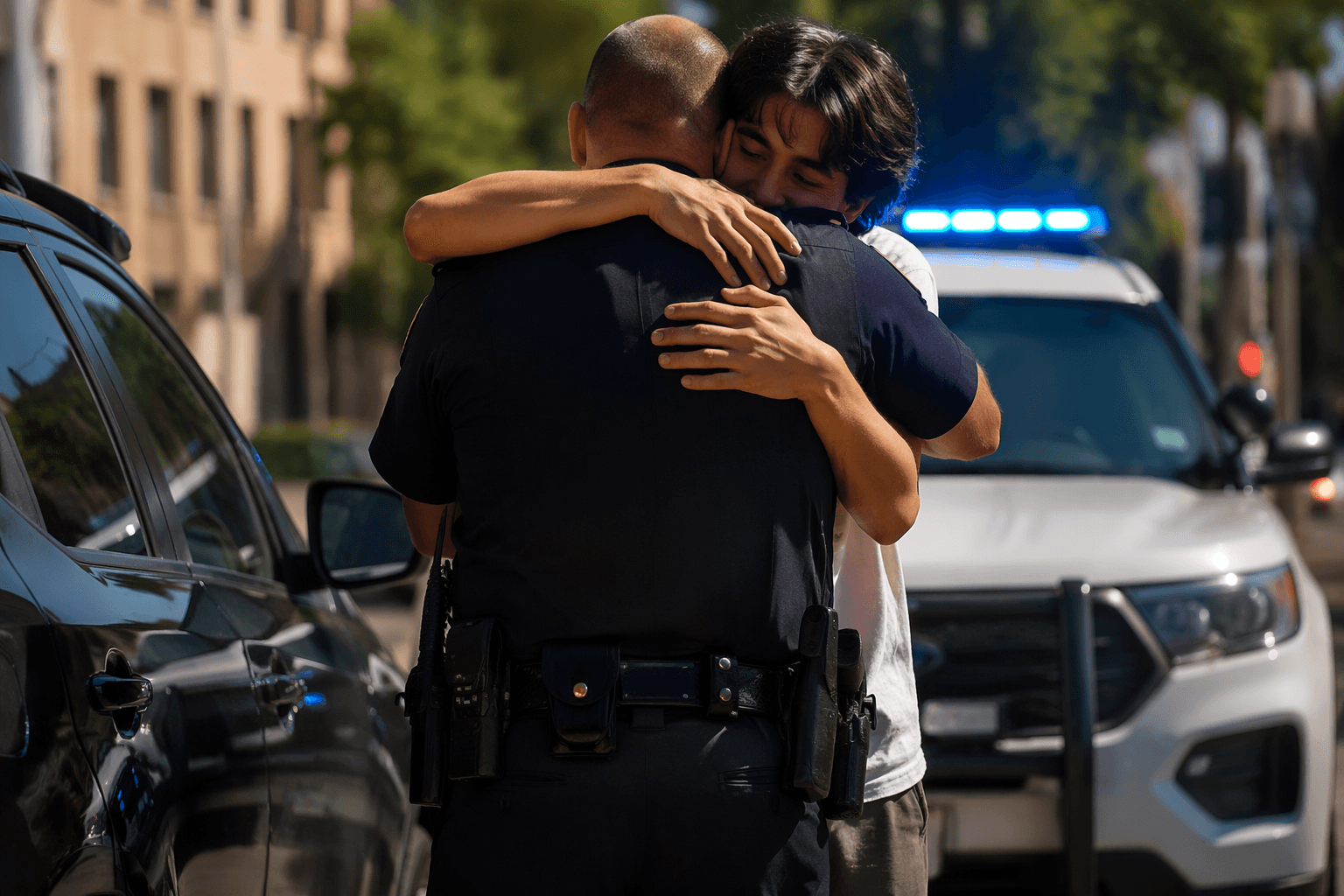
Sanford police later posted that he had been located “safe and sound” and thanked the public for sharing the alert. That quick public response mattered because missing-person cases become urgent fast when officers believe someone may be vulnerable and unable to easily ask for help. In this case, the combination of Nelson’s mental health diagnosis, hearing impairment and the possibility that he could be anywhere between Sanford and Wesley Chapel made the search more immediate and more widely shared.
For families in Seminole County, the case is a reminder to report a missing child or teen quickly, especially if the person has a medical, mental health or communication need. Details such as a last-known location, clothing, height, weight, tattoos and travel patterns can help police move faster, and those early minutes often make the difference in finding someone safe.
This article was produced by Prism’s automated news system from verified source data, official records, and press releases, then run through automated quality and moderation checks before publishing. The system is built and supervised by the people who set the standards it runs under. Read our full AI policy.
Did this article answer your question?