Sanford teacher helps third graders build confidence, goal-setting skills
At Idyllwilde Elementary, Shannon Roney turns third grade into a daily lesson in confidence, goal-setting and accountability that Sanford families can copy.
A classroom built around habits, not just homework
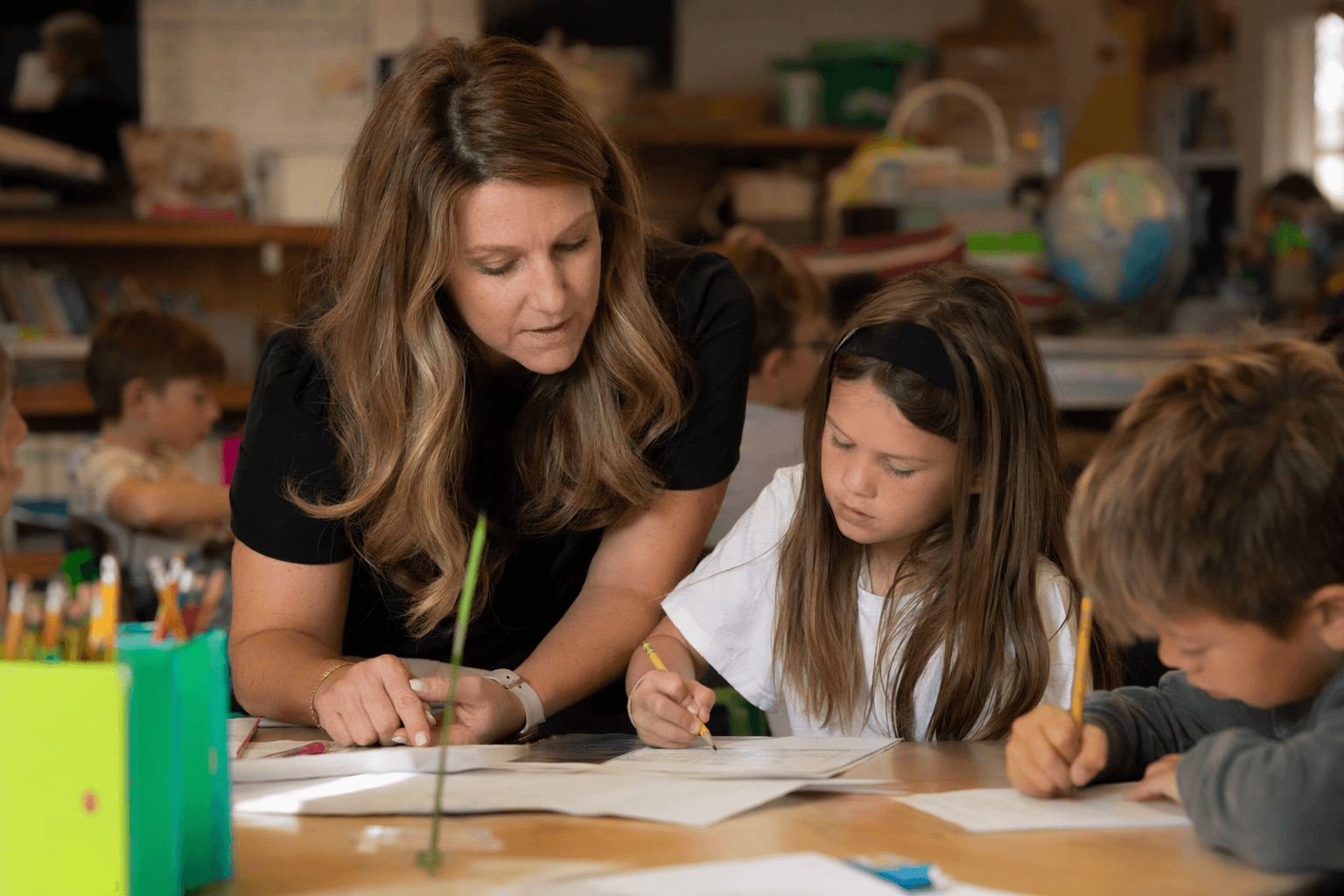
Shannon Roney’s third-grade room at Idyllwilde Elementary School is organized around a simple idea: children do better when they can see their progress, name their goals and believe they can improve. After 21 years in the classroom, Roney has built a routine that mixes academics with personal growth, using encouragement, high fives and positive reinforcement to keep students engaged while pushing them toward accountability and self-management.
The lesson is practical as much as it is uplifting. Students do not just complete work and move on. They track learning goals, review performance data and identify where they need to improve, turning abstract school expectations into steps they can follow. That approach gives third graders something concrete to work toward, and it helps make confidence part of the daily school experience rather than a vague feel-good message.
How Roney’s model works in real time
The structure in Roney’s classroom is deliberate. Students are encouraged to look at their own progress, understand what still needs attention and keep going when a task gets hard. Instead of treating mistakes as dead ends, the room treats them as information. That shift matters in third grade, when students are building the habits that will carry them through upper elementary school and beyond.
A few features stand out in the way Roney teaches:
- Students set learning goals they can track themselves.
- Performance data is visible, so children can see where they stand.
- Positive reinforcement keeps the room active and supportive.
- The classroom message stays steady: hard work leads to improvement.
Roney’s approach is not loose or casual just because it feels warm. It is structured around the belief that children can handle responsibility when adults make expectations clear. The result is a classroom culture that feels like a family environment, where students are expected to grow and also feel believed in, cared for and supported.
Why Idyllwilde’s school model gives this approach a wider reach
Roney’s classroom method fits neatly inside Idyllwilde Elementary’s own identity. The Sanford campus says it is a magnet school with an academic focus on inquiry and hands-on learning through the International Baccalaureate Primary Years Programme and the Leader in Me initiative for social-emotional learning. The school says those programs align with state standards and are designed to help students become future-ready for life.
That broader school framework gives Roney’s work more weight than a single classroom trend. Idyllwilde says it is in its second year as a Leader in Me school, and the school describes Leader in Me as a whole-school transformation model that builds leadership and life skills. In practice, that means the habits Roney is reinforcing in third grade are part of a schoolwide expectation, not an isolated teacher preference.
The school’s own improvement plan adds another layer. Idyllwilde’s vision is to close the achievement gap by preparing all students for future success in a global society. That goal matches the emphasis in Roney’s room on self-monitoring, persistence and improvement. When students learn to identify a target and work toward it, they are practicing the same kind of discipline the school says it wants to build across grade levels.
What the numbers say about the school community
The classroom’s emphasis on confidence and goal-setting lands in a school serving a large and diverse student body. Public school data list Idyllwilde Elementary at 794 students, with a 15:1 student-teacher ratio and 53 full-time teachers. The same data show that 81% of students are economically disadvantaged, a reminder that academic encouragement and clear routines matter in a community where many families may be relying on school as a major support system.
Academic results provide useful context too. U.S. News reports Idyllwilde’s math proficiency at 47% and reading proficiency at 42%. Those numbers do not tell the whole story of a school or a classroom, but they help explain why a teacher who focuses on visible progress and student accountability stands out. In a campus where achievement gaps are part of the public conversation, a third-grade routine built around tracking growth can be more than motivational. It can be a daily academic strategy.
A Sanford campus with district leadership and a tight local footprint
Idyllwilde Elementary Future Ready Academy sits at 430 Vihlen Road in Sanford, and Seminole County school-district records list Lenore Logsdon as principal. District communications say Logsdon is in her 16th year as an SCPS principal, giving the campus leadership a long institutional history. The school is also one of 49 elementary schools in Seminole County Public Schools, which places Roney’s classroom inside a much larger district network.
For families looking at the school’s magnet options, the timing matters. The magnet application window for the 2026-2027 school year runs from January 1 through March 1, and kindergarten registration is open. That makes Idyllwilde’s programs, and the teaching style inside them, especially relevant for parents deciding where their children might thrive next year.
Why this classroom story travels beyond one room
The reason Roney’s classroom resonates is that it turns a broad educational idea into something visible and repeatable. Sanford parents do not have to imagine a complicated reform agenda here. They can see the basics: set a goal, check progress, praise effort, name what still needs work and keep going.
That is the part of the story that makes it useful to Seminole County. It shows how a teacher with 21 years of experience can help third graders build confidence without lowering expectations, and how a magnet school focused on inquiry, leadership and future-ready learning can translate those ideals into a daily routine. In a district with many schools and many competing demands, that kind of classroom discipline is a reminder that some of the most durable academic gains begin with habits children can practice right now.
This article was produced by Prism’s automated news system from verified source data, official records, and press releases, then run through automated quality and moderation checks before publishing. The system is built and supervised by the people who set the standards it runs under. Read our full AI policy.
Did this article answer your question?