Sanford Unveils Goldsboro Quilt, Issues Apology and Declares Historic Goldsboro Day
Sanford unveiled a Goldsboro commemorative quilt, issued a formal apology and proclaimed Feb. 9, 2026 as Historic Town of Goldsboro Day, marking a public step toward reconciliation.
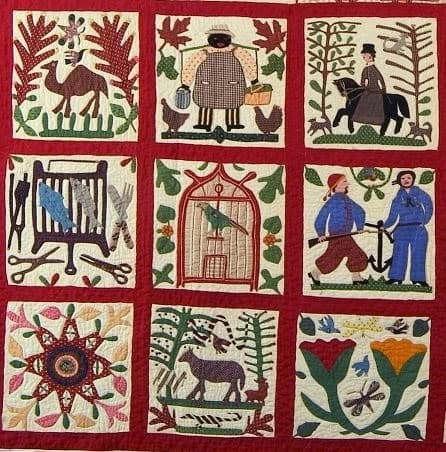
A quilt made by Goldsboro community quilters now hangs permanently inside Sanford City Hall beside a proclamation formally apologizing for actions that led to the 1911 revocation of Goldsboro’s municipal charter. Mayor Art Woodruff read the proclamation into the record and proclaimed Feb. 9, 2026 as Historic Town of Goldsboro Day during a packed ceremony that drew descendants, elders and a standing-room-only crowd.
The commemorative piece was presented by Goldsboro community elders and quilters, and organizers framed the unveiling as both artwork and testimony to a once self-governing Black town founded in 1891. Beatrice Clark(e) Haynes, a descendant of Goldsboro’s founder, placed that founding in historical context, saying, "I stand before you with pride to be a descendant of Mr. William Clark, also known as Papa Clark, a man who had vision in 1891, which was only 26 years past the abolishment of slavery." Charlotte Carter, one of the quilters, said she was "blown away by the attendance and the support…all over a quilt!" and called the work "more than just a quilt," noting its role to "bind and heal our community" and remind future generations of Goldsboro’s pride.
Sanford’s Race/Equality/Equity and Inclusion committee (also referred to as the Race, Equality, Equity, and Inclusion Advisory Committee) identified the quilt and proclamation as the first major step in a new Pathways to Reconciliation initiative intended to strengthen inclusion and historical recognition. Barbara Coleman-Foster, co-chair of the committee, said, "Those quilters sat and listened and shared their own stories even," underscoring the oral-history aspect of the project.
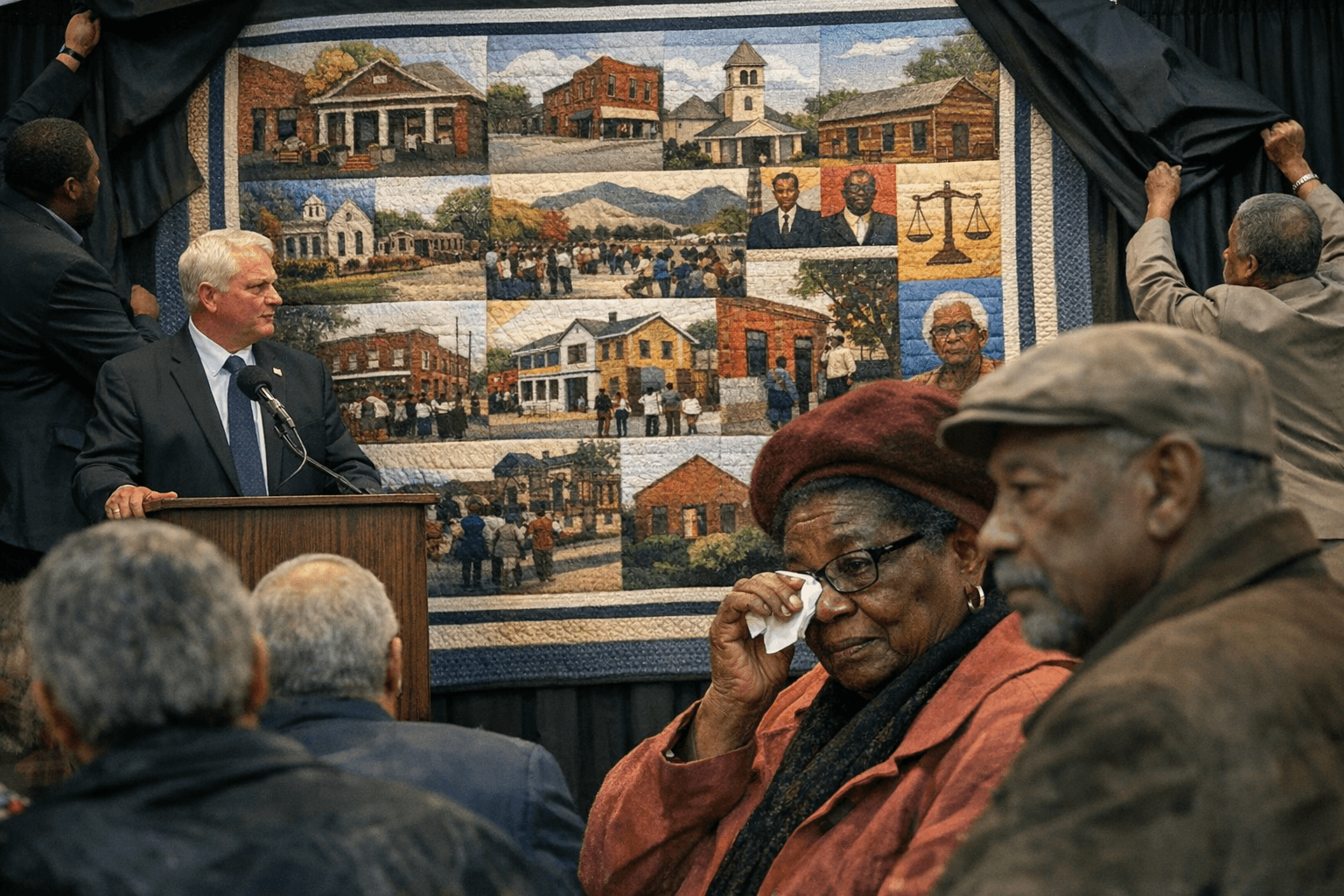
Historical details cited at the event emphasized Goldsboro’s early independence, its mayor and civic institutions, and the 1911 annexation by the city of Sanford that dissolved the town’s charter. Mayor Woodruff acknowledged those past actions and apologized on behalf of the city, stating, "He was the president of the council in 1911 when the city of Sanford requested that the state revoke the charter of Goldsboro." (The subject of "He" was not identified in the excerpt provided by event coverage.)
For Seminole County residents, the quilt’s public display and the formal apology matter beyond symbolism. Visible recognition can support community healing, bolster trust between city government and Black residents, and create a foundation for policy conversations about historic harms, resource allocation, and equitable access to services that influence long-term health and wellbeing. Next steps cited by organizers include clarifying historical records, publishing the full proclamation text, and advancing the Pathways to Reconciliation work so the acknowledgment leads to concrete community investments and preserved memories for Goldsboro’s children and grandchildren.
This article was produced by Prism’s automated news system from verified source data, official records, and press releases, then run through automated quality and moderation checks before publishing. The system is built and supervised by the people who set the standards it runs under. Read our full AI policy.
Did this article answer your question?


