Seminole County Animal Services limits intake as cat virus spreads
119 cats were quarantined after panleukopenia surfaced at Seminole County Animal Services, forcing the shelter to limit cat intake and slow adoptions.

Seminole County Animal Services has moved to contain a fast-spreading cat virus inside its shelter, limiting admission as several cases of feline panleukopenia surfaced. The disease is especially dangerous for kittens and unvaccinated cats, and county officials have already quarantined 119 cats for 14 days while trying to keep the outbreak from spreading farther.
The shelter has reduced cat housing capacity, given antibody injections to kittens and tightened cleaning and safety protocols. Even with those restrictions, Seminole County said some healthy cats were still available for adoption or foster care, but the immediate priority is containment rather than normal intake and placement.
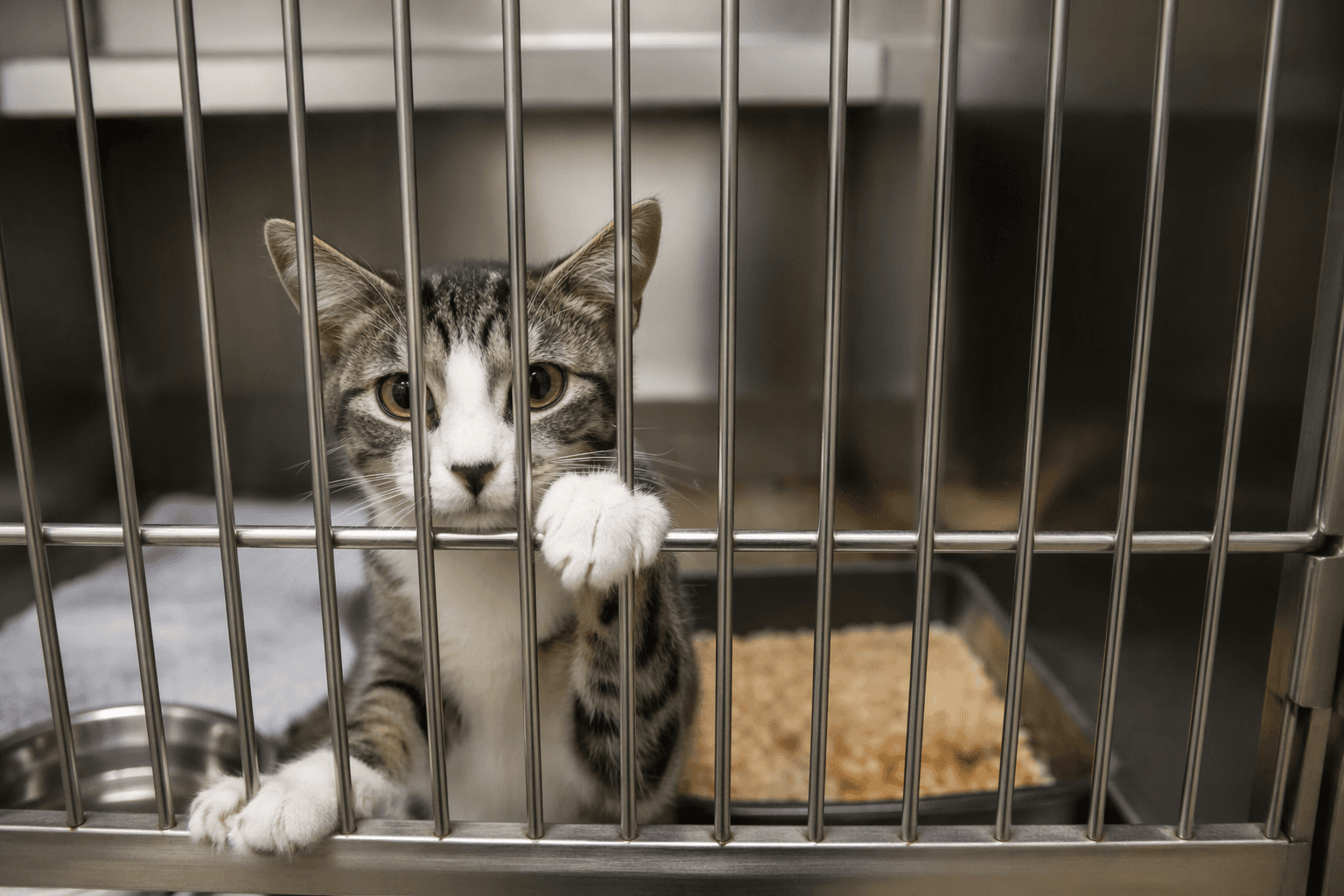
The response lands in a system that has already been under strain. Seminole County Animal Services, which dates to the early 1970s, says its mission is to preserve the lives of all animals and that it also provides rabies vaccinations and microchipping. But the county shelter was reported at 151% capacity in October 2025, and another report said twice as many animals were coming in as were going out that year. That kind of pressure can turn a disease event into an operational crisis, because every quarantine space, kennel and cleaning cycle matters when a contagious virus gets inside a shelter.
Veterinary guidance makes clear why the county is moving quickly. The American Veterinary Medical Association says feline panleukopenia is highly contagious and can be fatal, especially in kittens and unvaccinated cats. Merck Veterinary Manual says the virus can linger in the environment for more than a year unless potent disinfectants are used. Shelter medicine guidance also calls for kittens to receive FVRCP vaccine at intake, with boosters every two weeks until they are 16 to 20 weeks old.
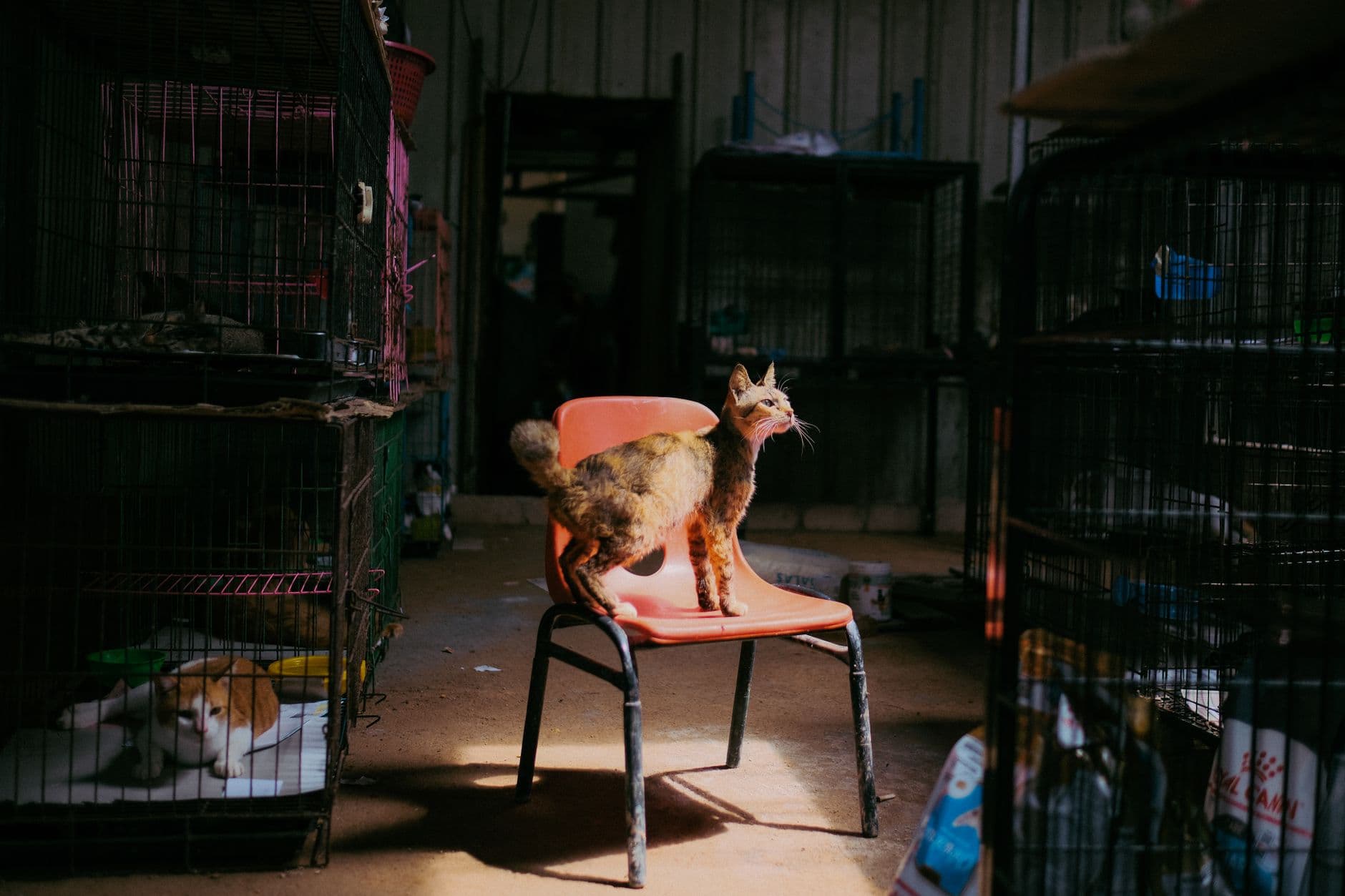
For cat owners, foster homes and rescue groups in Seminole County, that means any new kitten or stray should be treated as a possible exposure until it has been vaccinated and kept separate from other cats. Shared carriers, cages, towels and rooms need aggressive disinfection, because ordinary cleaning may not be enough to stop the virus. Florida shelters have taken similar steps during recent outbreaks, including suspending feline intake in Manatee County and isolating cases in Clay County, underscoring that Seminole County’s limited-admission move is a containment measure, not business as usual.

The outbreak now tests how far a public shelter can stretch before crowding, disease control and community demand collide.
This article was produced by Prism’s automated news system from verified source data, official records, and press releases, then run through automated quality and moderation checks before publishing. The system is built and supervised by the people who set the standards it runs under. Read our full AI policy.
Did this article answer your question?