Seminole County driver arrested after reaching 127 mph on SR 417
A Seminole County deputy clocked a dark SUV at 127 mph on SR 417 near Lake Jessup, then arrested the driver under Florida’s super speeder law.

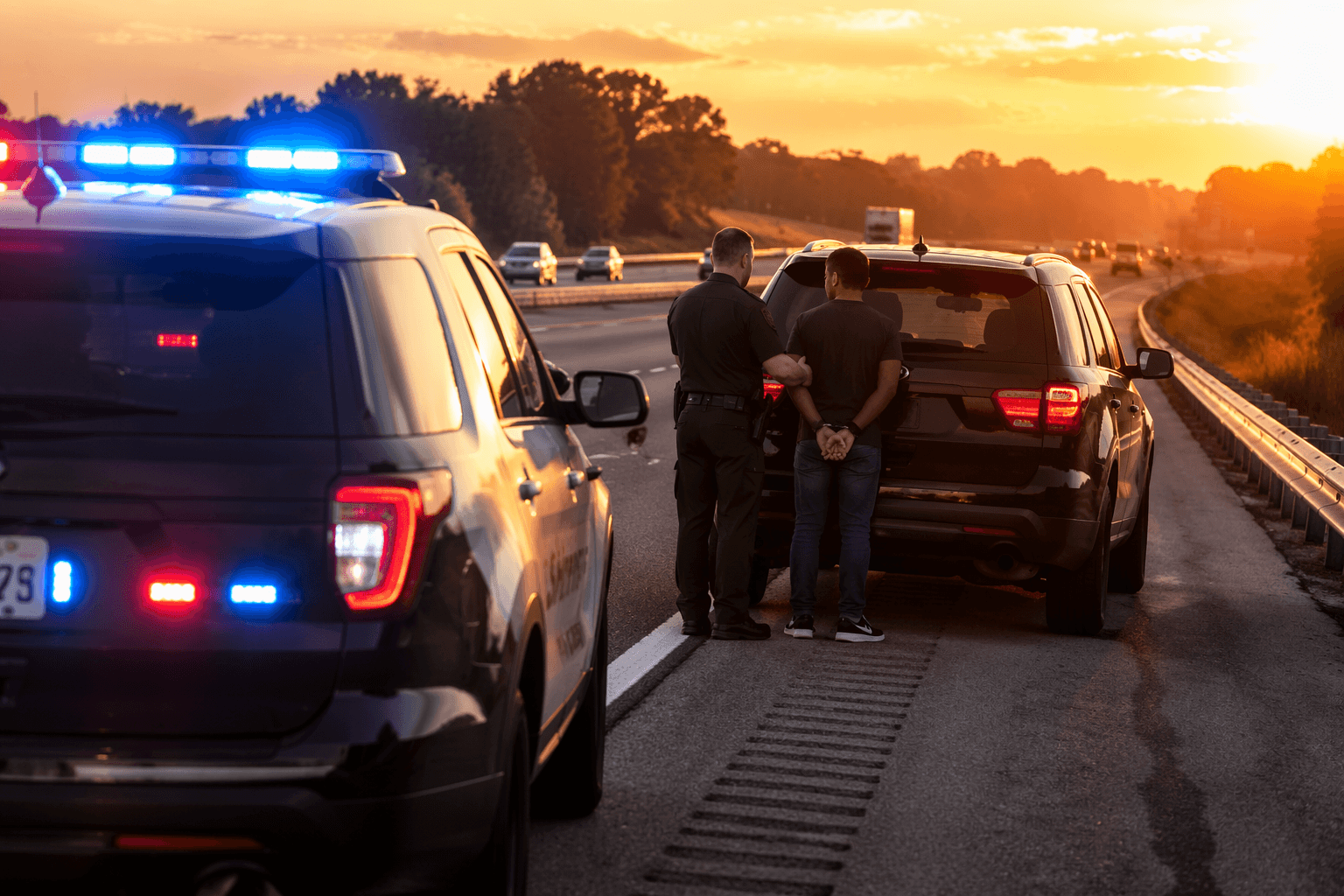
A Seminole County sheriff’s deputy stopped a dark SUV on State Road 417 near Lake Jessup in Oviedo after the vehicle was first clocked at 110 mph in a 70 mph zone and then confirmed at 127 mph. The driver was arrested on a dangerous excessive speeding charge and on a separate count of driving with a license suspended for failing to pay multiple traffic citations.
The deputy was running stationary speed enforcement when the northbound SUV came through the corridor. The SUV was towed and the driver taken into custody after the stop.
Florida’s dangerous excessive speeding law took effect on July 1, 2025 as section 316.1922 of the Florida Statutes. It makes it a criminal offense to drive at least 50 mph over the posted limit or to exceed 100 mph, and the penalties rise fast: a first conviction can bring up to 30 days in jail and/or a $500 fine, while a second conviction within five years can carry up to 90 days in jail and/or a $1,000 fine, plus a license revocation of at least 180 days and up to one year.
Florida Highway Patrol data showed 967 arrests statewide from July 1, 2025 through June 15, 2026. The Seminole County Sheriff’s Office made 43 arrests under the law by early November 2025, including 38 bookings involving drivers accused of going 100 mph or more. At least seven Seminole arrests came in just over a month soon after the law took effect.
Certain cited drivers must appear at a scheduled hearing, and a second or subsequent conviction within five years can trigger a 180-day to one-year loss of driving privileges. In this case, the driver’s license had been suspended only days earlier for failing to pay multiple traffic citations.
HB 351 created the misdemeanor offense and was backed by Rep. Danny Alvarez and co-introducers including Rep. Juan Porras. Florida already had reckless driving laws on the books, but those offenses generally required willful or wanton disregard for safety; the super speeder statute made extreme speed alone enough to bring criminal exposure. Orange County Sheriff John Mina warned drivers after the law took effect that speeds over 100 mph could lead to jail.
This article was produced by Prism’s automated news system from verified source data, official records, and press releases, then run through automated quality and moderation checks before publishing. The system is built and supervised by the people who set the standards it runs under. Read our full AI policy.
Did this article answer your question?