Seminole County Historical Society raises funds to house rare buggy collection
Seminole County Historical Society is fundraising to renovate a warehouse near its museum for 32 horse-drawn carriages dating from 1795 to 1910, a hidden collection with state-level history stakes.
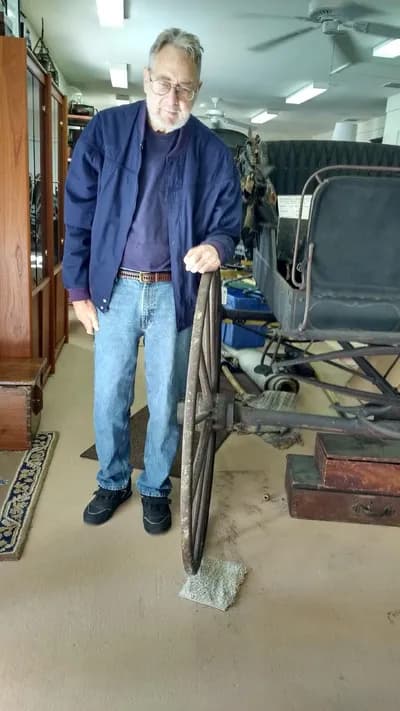
The Seminole County Historical Society is raising money to renovate a warehouse near the Museum of Seminole County History in Sanford so it can permanently house 32 horse-drawn carriages. The collection spans American transportation history from 1795 to 1910 and would move from private stewardship into a public exhibit at 300 Eslinger Way.
A Florida Senate local funding request for fiscal year 2022-23, filed Oct. 5, 2021 and sponsored by Jason Brodeur, described the project as a permanent exhibit of a rare collection of 32 historical American horse-drawn carriages. That request puts the buggy collection on a public funding track, not just a display wish list, and shows the scale needed to preserve and exhibit artifacts that date from the horse era into the early automobile age.
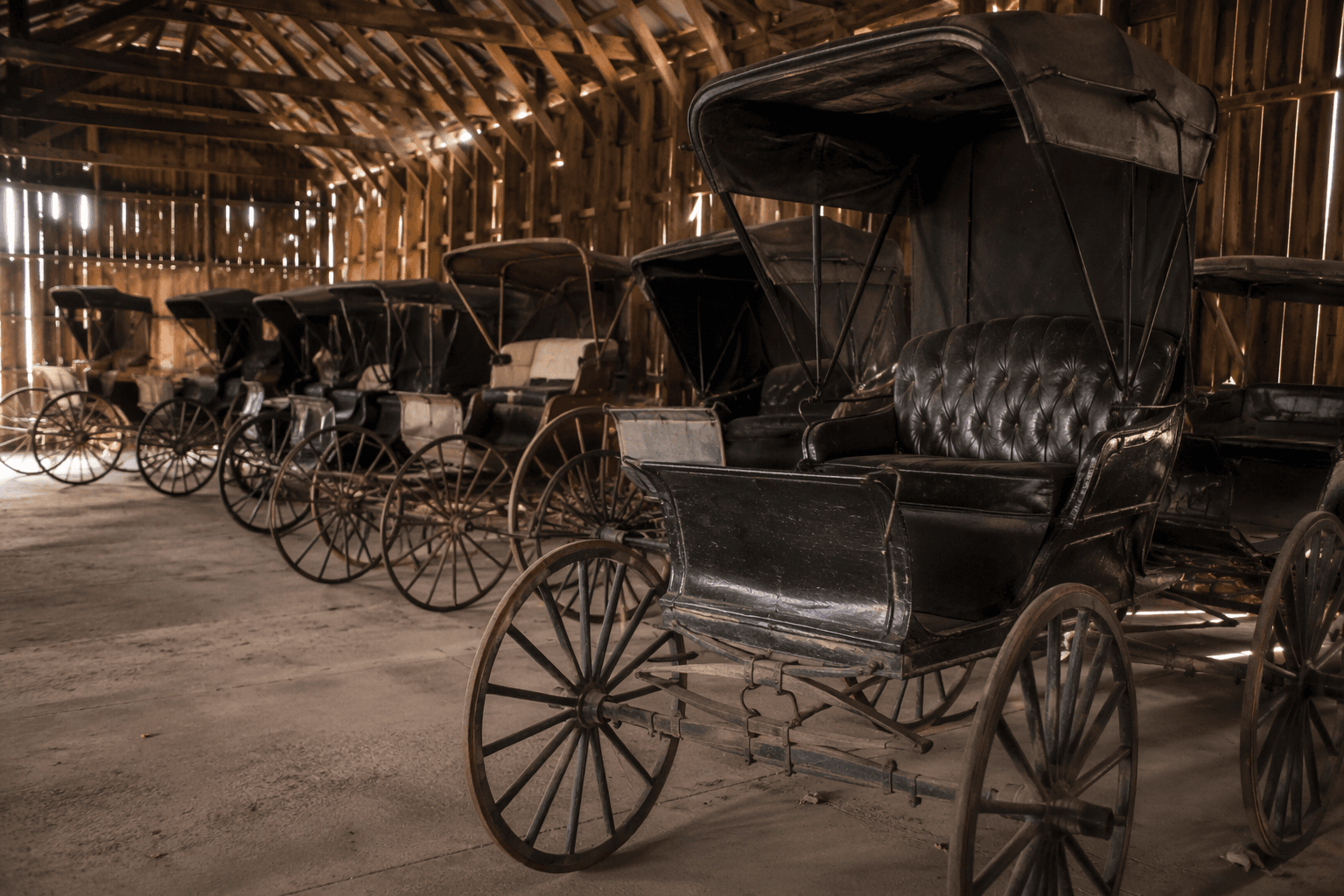
The collection comes from William Bill Nygren, a retired engineer and Geneva resident whom the Seminole County Board of County Commissioners recognized in a resolution for donating the buggies. The resolution says Nygren started collecting horse-drawn carriages in high school and eventually amassed nearly three dozen antique carriages dating back to the 1700s. For Seminole County, the gift is both personal and institutional: one resident’s lifelong collecting became a county asset with museum-level significance.
Project materials say the finished exhibit will give visitors a first-hand look at how common Americans moved across the country before automobiles became dominant. They also describe it as an interactive, one-of-a-kind display tied to transportation history through the Industrial Revolution. That framing matters in Sanford, where the museum already serves as a county history anchor and where the buggy collection can connect local preservation work to the wider story of rail, agriculture and early road development across Seminole County, including Lake Mary and the surrounding communities.
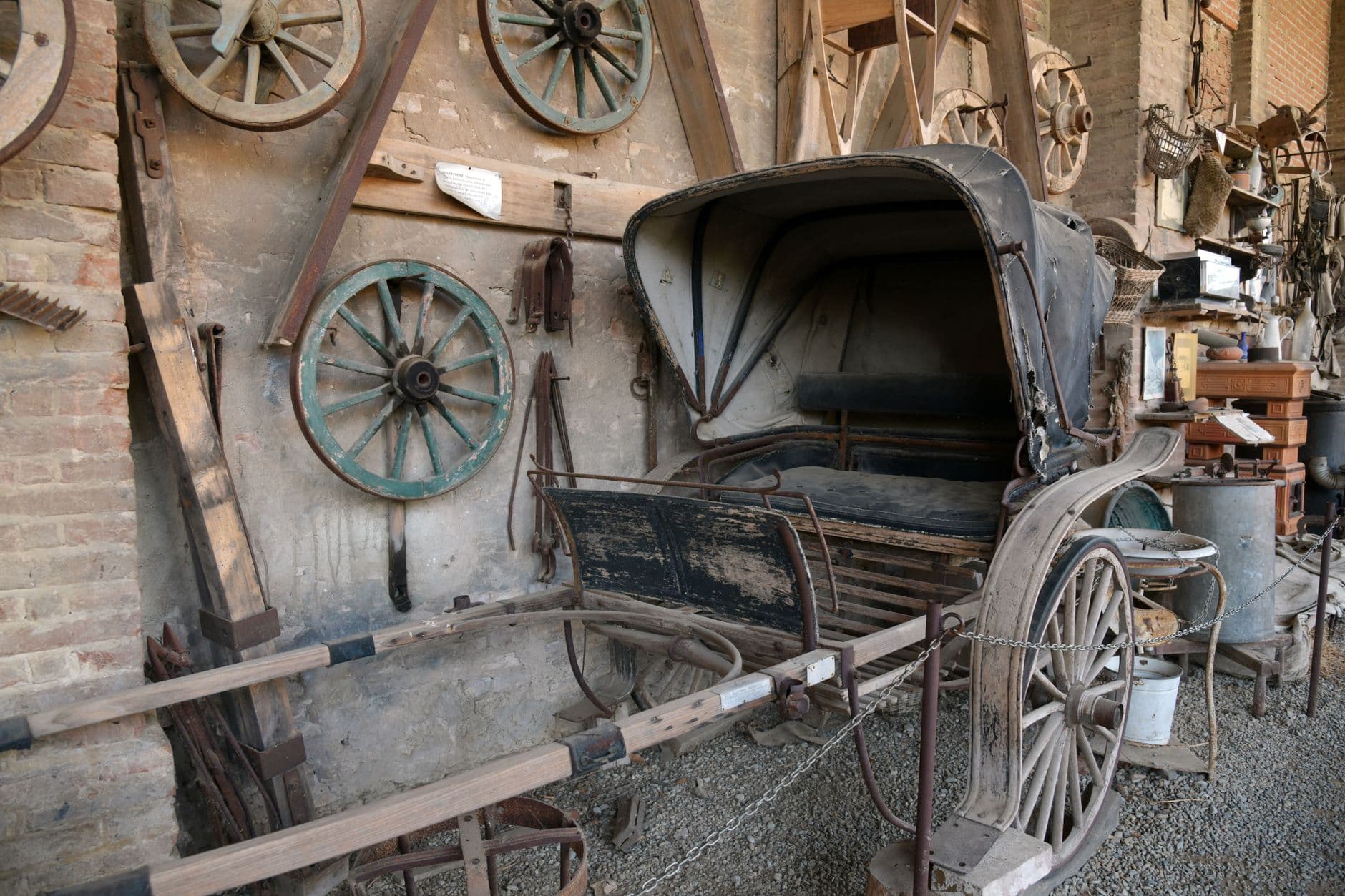
The preservation question is practical as much as historical. A permanent carriage hall would require renovated space, long-term care and a public commitment to interpretation, not just storage. If the county leaves the collection obscure, it loses a rare chance to show how transportation changed daily life before the car reshaped Florida. If the warehouse project moves ahead, the museum gains one of the state’s most distinctive transportation collections and a stronger cultural draw in Sanford.
This article was produced by Prism’s automated news system from verified source data, official records, and press releases, then run through automated quality and moderation checks before publishing. The system is built and supervised by the people who set the standards it runs under. Read our full AI policy.
Did this article answer your question?