Seminole County Plans Shelter Renovation Using Penny Sales Tax
County commissioners and staff on December 17 outlined plans to use expected penny sales tax revenue for capital projects, highlighting a needed renovation or replacement of the Seminal County Animal Services facility. The proposal matters to residents because the shelter is operating over capacity and the county is considering using future sales tax proceeds and possible borrowing to fund a project estimated at 7 to 10 million dollars.
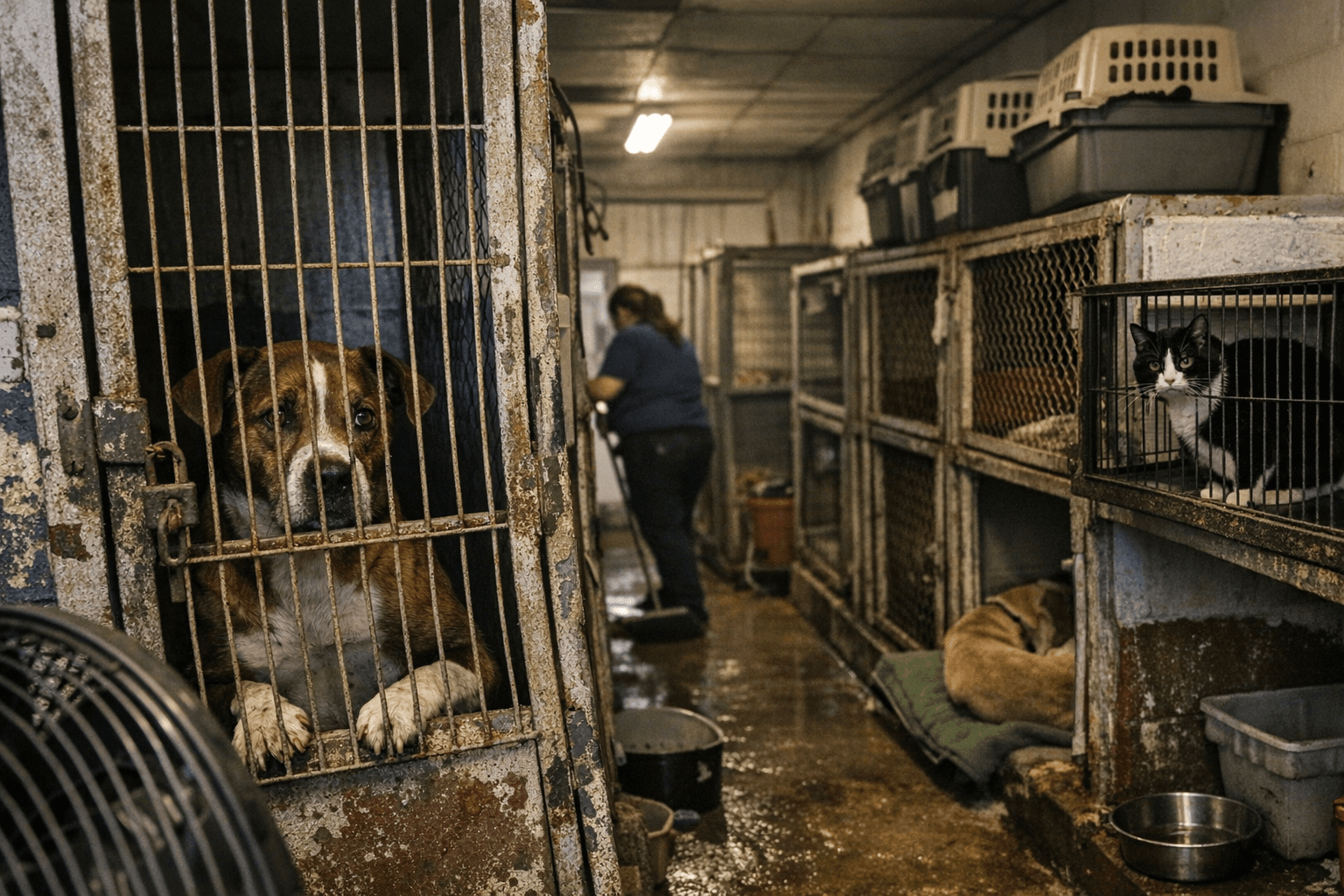
Seminole County commissioners and staff detailed project priorities on December 17, centering attention on urgent repairs and upgrades at the county Animal Services facility. County staff said the penny sales tax is expected to generate roughly 650 million dollars by the end of 2034, and that a portion of that revenue, and possibly borrowing against it, could fund high priority capital projects including a full campus renovation or replacement for the animal shelter.
Officials described a facility that has been operating well over capacity for an extended period, and which now requires significant work. Specific deficiencies cited by staff included rusted gates, an aging electrical system, absence of central air conditioning that forces reliance on temporary units and a generator during hot months, and limited kennel and medical and surgical space. County estimates place the cost of a comprehensive campus project at roughly 7 to 10 million dollars.
The public policy implications extend beyond the shelter itself. Allocating future sales tax revenue to capital improvements will shape the county capital budget through the next decade, and any decision to borrow against expected revenue will create long term commitments that commissioners must weigh against other infrastructure needs. The shelter project highlights tradeoffs between addressing immediate public health and animal welfare concerns and preserving fiscal flexibility for roads, public safety, and other county services.
Emergency Management director Alan Harris and Board Chair Andria Herr participated in the presentation and outlined planning steps and the need for further analysis. County officials said budget and planning discussions will continue, and that commissioners will revisit the matter at an upcoming meeting to follow up on scope, funding options, and timelines.
For Seminole County residents, the outcome affects animal welfare, public health, and how the county prioritizes taxpayer supported infrastructure. Commissioners will need to provide transparent cost estimates, clear timelines, and oversight mechanisms so voters can assess the fiscal impacts and community benefits before significant commitments are made.
This article was produced by Prism’s automated news system from verified source data, official records, and press releases, then run through automated quality and moderation checks before publishing. The system is built and supervised by the people who set the standards it runs under. Read our full AI policy.
Did this article answer your question?