Seminole County Rural Boundary Survives Late 2026 Legislative Challenge
About 8 in 10 Seminole voters backed their rural boundary in 2004. A last-minute Senate amendment nearly undid that vote on the session's final day.
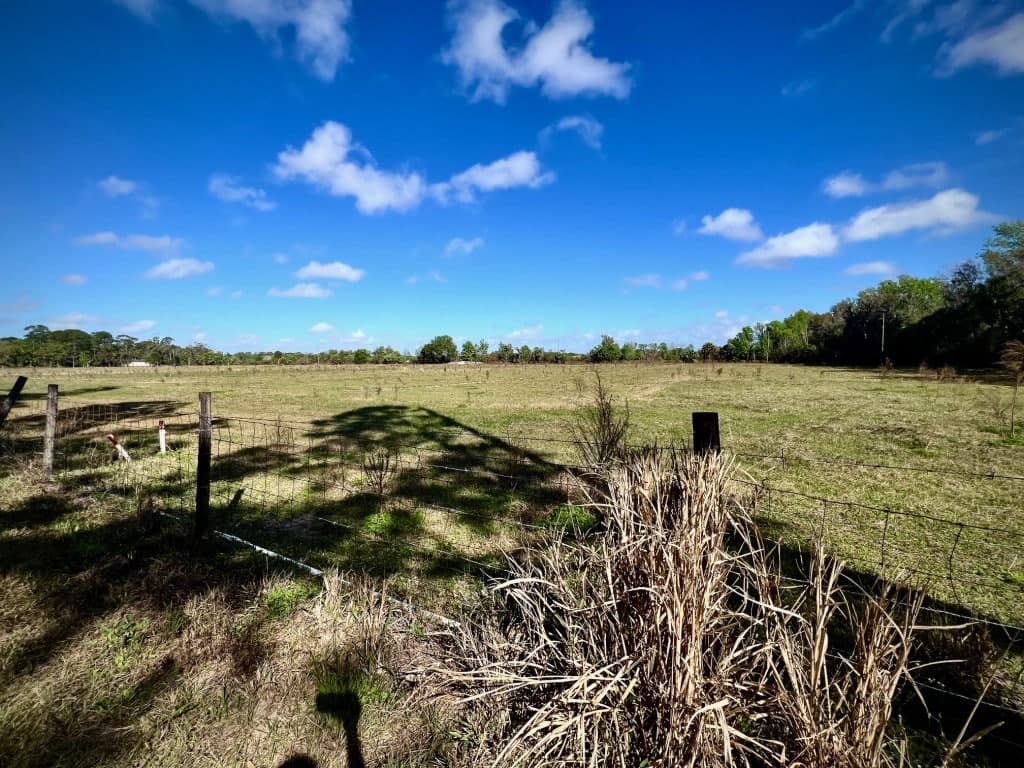
A late-filed amendment that critics said would have handed near-automatic development rights to landowners across 35% of Seminole County died on the Florida Senate floor on the final day of the 2026 legislative session, preserving voter-approved protections that have shaped the county's landscape for more than two decades.
The amendment, attached to Senate Bill 208 and ultimately moved to House Bill 399, would have declared rural boundaries like those in Seminole and Orange counties a legal "taking" of property owners' development rights. Under the proposal, landowners could have applied to receive county compensation calculated against either the highest density of their immediate neighbors or 75% of the density of properties within a mile. Those who received payment could then petition a court to remove their land from the rural boundary entirely.
Sen. Jason Brodeur, the second-highest ranking member of the Florida Senate and the senator representing Seminole County and parts of Orange County, took to the Senate floor to push colleagues to support the amendment. He did not prevail. David Bear, an attorney with Save Rural Seminole, did not mince words about the outcome. "I think Sen. Martin and Sen. Brodeur were just scolded by their colleagues in the Senate for having the audacity to try and undermine decisions of the citizens of Orange and Seminole counties," Bear said.
Seminole County voters approved their rural boundary in 2004 with roughly 80% support, and the boundary has survived challenges in both state and federal courts since. Orange County voters approved their own rural boundaries more recently, in 2024, also by wide margins. Orange County's rural boundary covers more than half of that county.
Seminole County Chair Andria Herr had signaled her opposition weeks before the Senate vote. In a Feb. 27 letter, Herr wrote that the proposed amendment was "not reflective of the will of the voters of Seminole County, which is our responsibility to uphold," and called its underlying legislative findings "both inaccurate and incomplete." She also noted that a pathway already exists for property owners to seek removal from the rural boundary through a petition to the Seminole County Board of Commissioners, making the legislative workaround unnecessary.
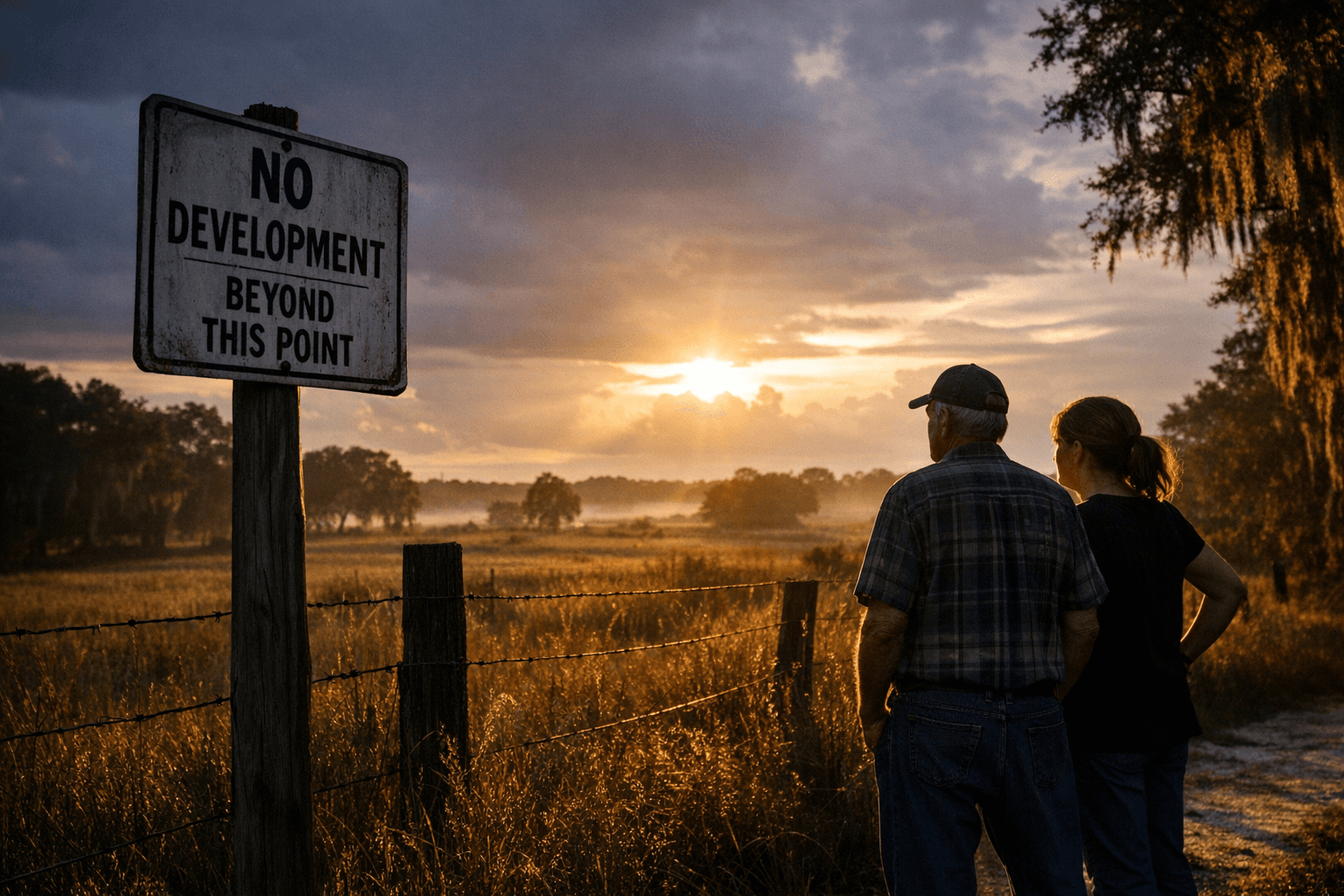
After the amendment failed, Herr offered a shorter verdict: "I'm happy that the legislators decided to provide to our voters what the voters have requested."
County Commissioner Jay Zembower said the outcome allowed him to step away from the Capitol watch he had kept throughout the session's closing stretch. "My first reaction is the Legislature as a whole did the right thing," Zembower said. "And happy that some folks took the time to understand how it could impact urban service areas across the state."
The environmental stakes in eastern Seminole County are substantial. Rep. David Smith, a Winter Springs Republican, argued that the rural boundary protects clean water for a community that relies heavily on septic tanks. Eastern Seminole County borders the St. Johns River and contains what state water managers identify as the largest aquifer recharge area in Florida. Winter Springs Commissioner Victoria Bruce also weighed in, emailing Sen. Brodeur directly to oppose the "sudden push to change the Rural Boundary."
The 2026 session fight is not expected to be the last. Advocates who defended the boundary are already anticipating a return engagement when Florida lawmakers convene in 2027, with the underlying property rights and development pressure questions still unresolved.
This article was produced by Prism’s automated news system from verified source data, official records, and press releases, then run through automated quality and moderation checks before publishing. The system is built and supervised by the people who set the standards it runs under. Read our full AI policy.
Did this article answer your question?