Seminole County seniors face rising homelessness as housing costs climb
More than a quarter of Rescue Outreach Mission’s clients are seniors as rents, insurance and fixed incomes push Sanford elders into homelessness.
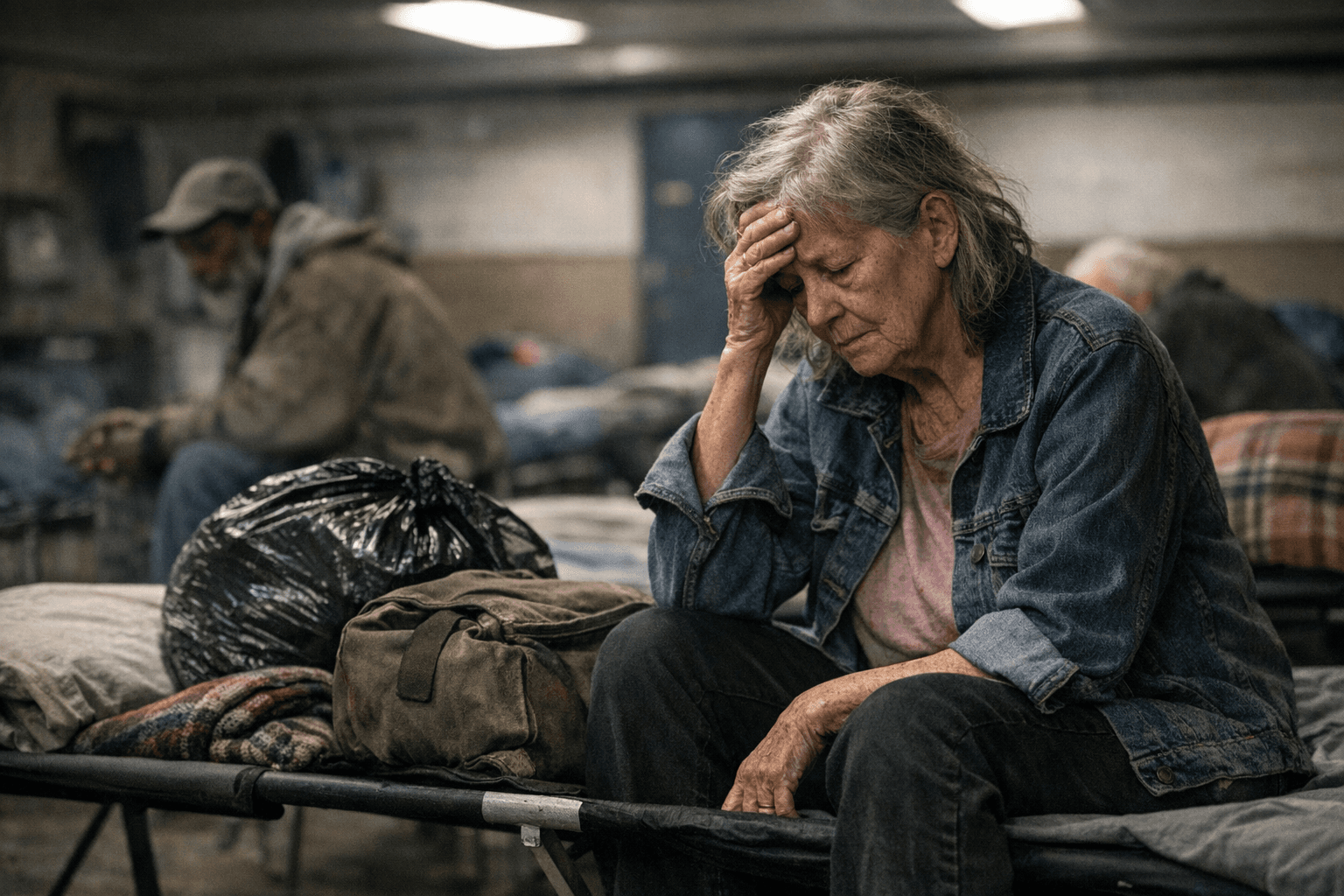
For older adults on fixed incomes, Seminole County’s housing crunch is becoming a direct path to homelessness. Rescue Outreach Mission in Sanford says more than a quarter of the people seeking help are now seniors, many of them homeless for the first time, while permanent housing placements have climbed from 70 in 2021 to 227 in 2025.
That surge reaches beyond one shelter door. Seminole County sits inside HUD’s FL-507 continuum of care, which also covers Orange and Osceola counties. HUD’s Jan. 22, 2024 point-in-time count found 2,183 homeless households across the region, including 1,945 households without children and 1,018 unsheltered households. The numbers point to a broader affordability and service gap across Central Florida, not just a crisis inside Sanford.
Two women, Karen Love and Anita Roman, illustrate how quickly late-life stability can disappear. Roman, now living at the mission, said rebuilding her life as a senior has been difficult after her husband died and she lost $300,000 in a widower scam. Her experience shows how fraud, grief and rising costs can collide with devastating force, especially when Social Security or retirement income does not keep pace with rent and insurance.
Seminole County defines affordable housing as housing that costs no more than 30% of income, including taxes, insurance and utilities. County housing materials say the area is facing a growing affordable housing shortage, and Seminole County Community Assistance gives priority in some services to elderly and fixed-income households. The county’s Homeless Advocacy Office coordinates local resources and strategies to reduce homelessness, but the county’s 2025 recovery plan says its homelessness diversion program ended in 2024, narrowing one prevention route before people reach a shelter bed.
The strain is already visible at Rescue Outreach Mission. In November 2024, the shelter was at full capacity, with a waitlist of 37 families in Seminole County and 200 additional individuals from outside the county. By April 2025, the mission was seeking another $200,000 in county funds. Seminole County has also set aside $2 million for a homeownership program and built 11 homes with two contractors, but those steps have not closed the gap for older residents facing rent increases, rising insurance bills and fewer affordable places to go.
For Sanford seniors, the crisis is no longer only about emergency shelter. It is about whether Seminole County can keep people housed before fixed incomes are exhausted and a bed at Rescue Outreach Mission becomes the last option.
This article was produced by Prism’s automated news system from verified source data, official records, and press releases, then run through automated quality and moderation checks before publishing. The system is built and supervised by the people who set the standards it runs under. Read our full AI policy.
Did this article answer your question?