Seminole County studies Howell Creek to track water quality concerns
Howell Creek’s latest county monitoring shows a good overall water quality index, but Seminole County is still watching the 17.2-mile stream for pollution and runoff trouble.
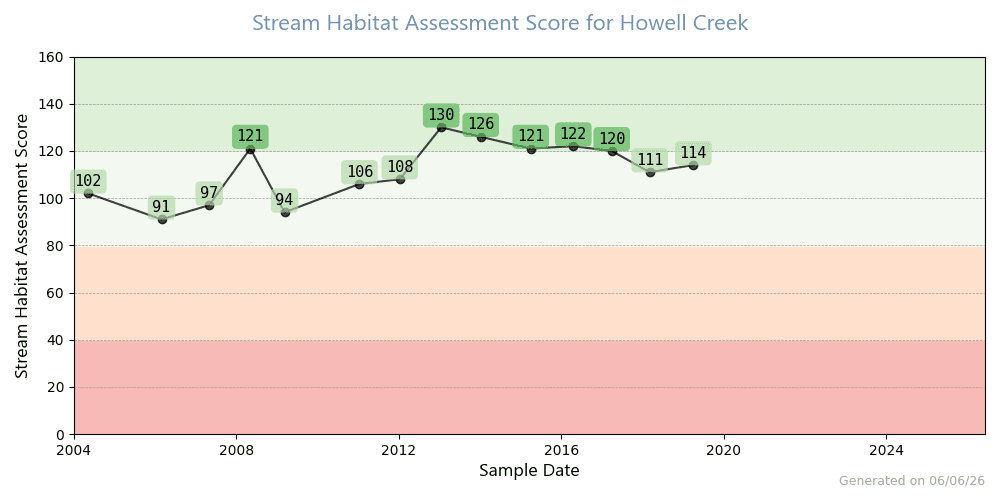
County crews have been back on Howell Creek, checking the stream’s aquatic insects and habitat conditions as Seminole County tries to catch pollution problems before they spread into nearby neighborhoods, parks and the Lake Jesup system. The work is part of a wider monitoring effort that treats Howell Creek as one of the county’s key water bodies, not just another drainage ditch running through Sanford and eastern Seminole.
The county’s biological monitoring program examines habitat quality, human disturbance, flow, juvenile insect communities and the diversity of macroinvertebrate and plant populations using methods established by the Florida Department of Environmental Protection. Seminole County says it biologically assesses about 45 water bodies each year, and Howell Creek remains in that rotation because of its role in both the Lake Jesup Watershed and the Howell Creek Watershed.
The creek’s long record gives county officials a detailed baseline. The Seminole Water Atlas lists Howell Creek with 86 water-quality sampling locations, 4 hydrologic sampling locations and 582,923 samples. Its latest sample date is June 1, 2026. The atlas currently shows the creek’s Water Quality Index as good, while the Jan.-Mar. 2026 segment rating sits at 0 to 4.5, a range that underscores why repeated checks matter when county staff are trying to spot whether conditions are holding steady or starting to slide.
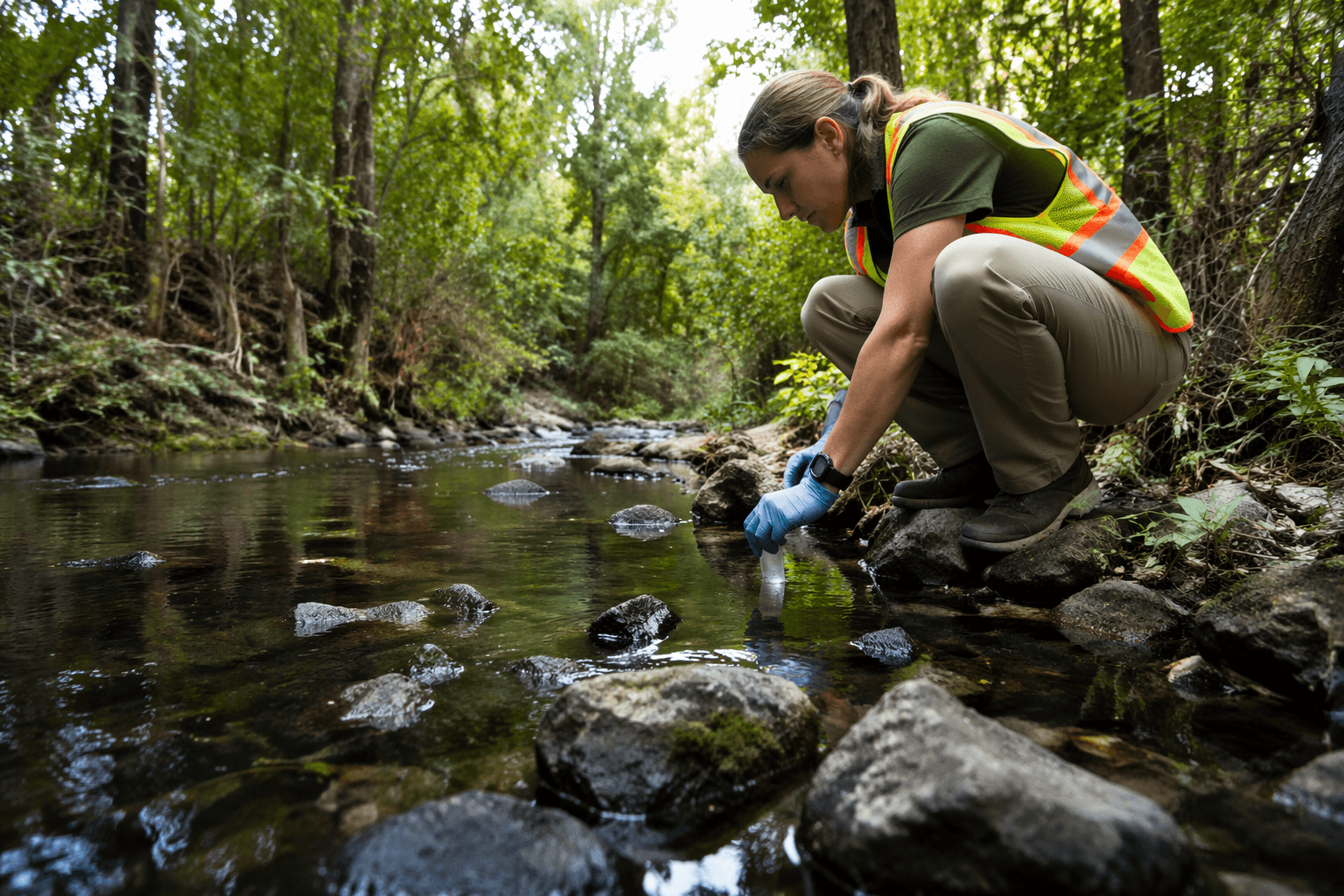
That matters because Howell Creek is also part of Seminole County’s East County Basin Studies work, alongside Soldiers Creek, Gee Creek, Little Lake Howell and Lake Jesup. The East County Group B Basin Study began in January 2023 with a stated goal of building a cost-effective stormwater program that can reduce flooding and the impacts of uncontrolled stormwater runoff. For residents along the creek corridor, that makes the monitoring more than an environmental exercise: it is part of the county’s warning system for water quality, flooding and neighborhood exposure.
Seminole County says the Surface Water Quality Program is meant to monitor, protect and restore surface waters through water chemistry and biological monitoring, public education, volunteer programs and technical assistance. Officials also say residents can report pollution, ask questions and volunteer in stewardship efforts as the county keeps tracking whether Howell Creek’s numbers stay good or begin to worsen.
This article was produced by Prism’s automated news system from verified source data, official records, and press releases, then run through automated quality and moderation checks before publishing. The system is built and supervised by the people who set the standards it runs under. Read our full AI policy.
Know something we missed? Have a correction or additional information?
Submit a Tip