Seminole County to Remove Most LYNX Routes After Costs Surge
Seminole County approved replacing most underused LYNX bus routes with on-demand vans after transit costs rose, a change that will reshape service for riders, seniors and low-income residents.
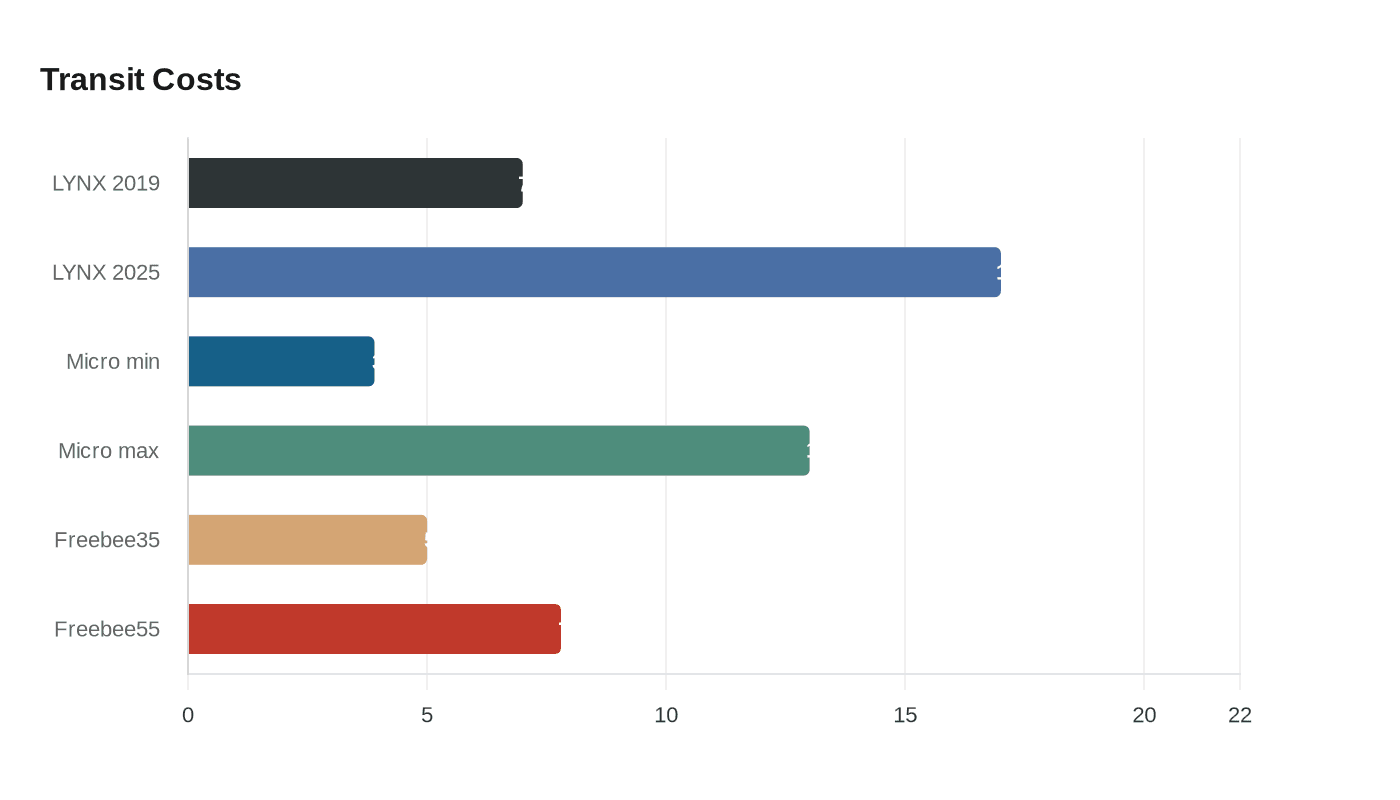
Seminole County moved to overhaul its public transit network after a sharp rise in the county’s bill for regional bus service. Commissioners voted to remove most LYNX routes and shift the bulk of service to a private, on-demand micro-transit model after county payments for LYNX grew from $7 million in 2019 to $17 million in 2025, a rise officials said proved unsustainable.
County leaders framed the change as a cost-driven retrofit of transit across most of Seminole County. The new plan calls for door-to-door van service that operates on demand rather than along fixed routes, covering most of the county except the eastern rural area that LYNX does not serve. County estimates put potential annual costs for the micro-transit option between roughly $3.9 million and $13 million, with officials projecting about $9 million in savings from cutting underused fixed routes to help fund the new service. The county also is pursuing a $10 million state grant and considering gas tax revenue, private sponsorships and vehicle advertising as additional funding sources.
Three vendors submitted proposals: Freebee, Circuit Transit and Via Strategies. Freebee proposed starting with an initial fleet of 35 vans and presented cost examples that would put Seminole’s first-year expenditure at about $5 million; increasing the fleet to 55 vehicles would raise that figure to roughly $7.8 million. Freebee’s co-founder and CEO Jason Spiegel said, “But one of the best parts of this service is that you’re not going to be waiting outside in the hot sun. You’re going to be waiting in your home or your office. And as this program launches, it’s going to take off like a wildfire.” Freebee also told commissioners it would present more detailed fare plans at the Aug. 26 commission meeting.
Board members emphasized the need to balance cost and access. Commissioner Amy Lockhart noted the steep increase in the county’s LYNX bill: “In 2019 Seminole County paid $7 million for LYNX bus services; by 2025, that has increased to $17 million dollars, and some of that cost has been going to completely unused bus routes with empty buses.” Commission Chair Jay Zembower cautioned that price-setting will evolve with rollout, saying, “Pricing would develop ‘as this thing develops.’”
Operational expectations for the micro-transit program call for daily service with target wait times of about 30 minutes on weekdays and 60 minutes on weekends, and sample hours of operation include mornings through evening on weekdays and reduced hours on weekends. LYNX will not exit Seminole entirely; the busiest routes, mainly along the Orange County border, will remain and LYNX will continue paratransit service for low-income, elderly and disabled riders. For routes that are replaced by on-demand vans, buses were scheduled to stop running on Jan. 10, and county and LYNX officials planned to post notices at affected stops.
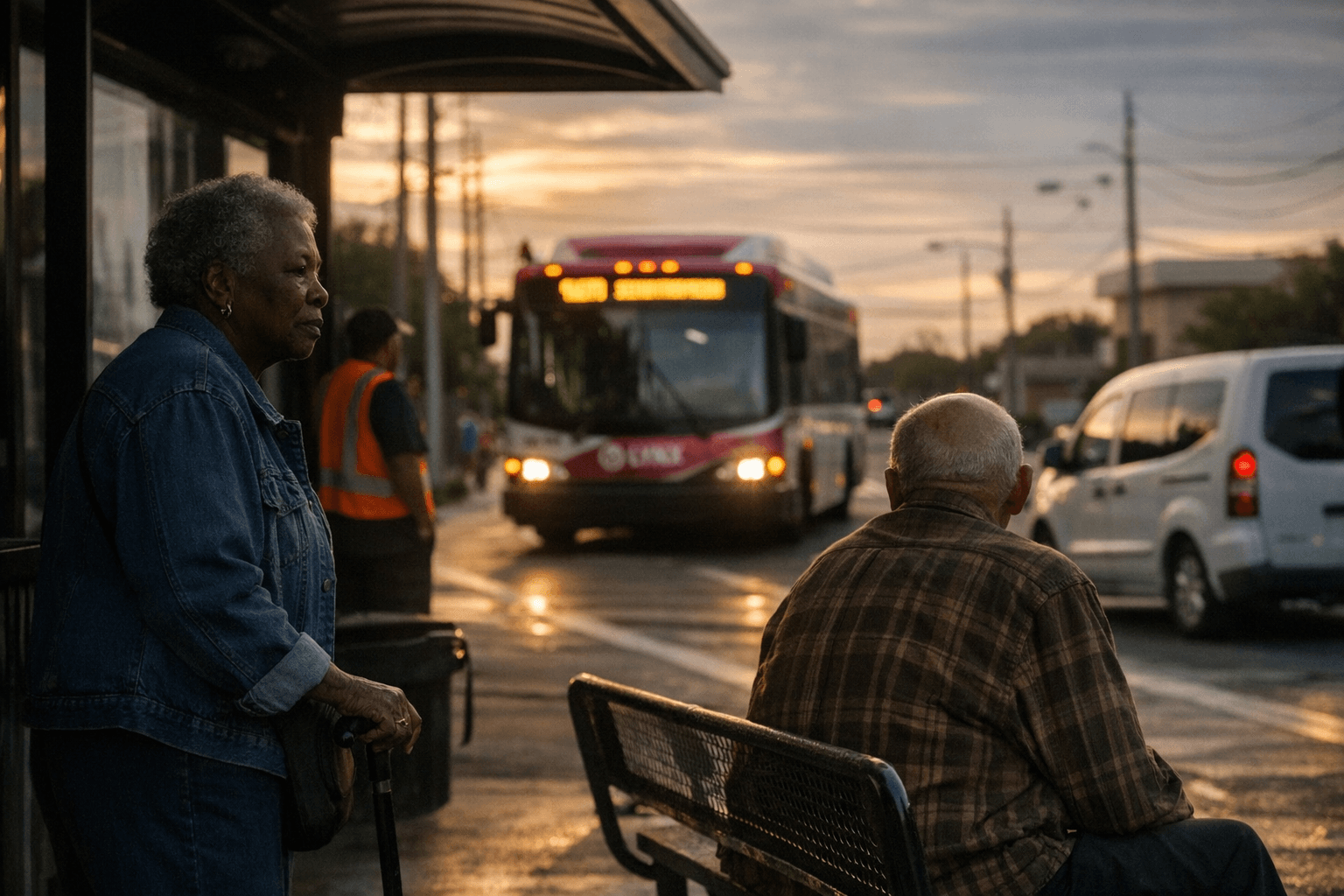
Some longtime riders expressed skepticism about capacity and reliability. Adriana Rodriguez, waiting at the Lynx super stop in Fern Park, said, “It could certainly add up. Will they have enough vans to handle all these people that ride the buses every day? I don’t know.” Commissioners plan to finalize a private operator by an Oct. 1 hiring target and to settle fares and coverage maps in coming months.
What comes next for Seminole riders is a transition period of contracting and mapping. Residents should watch for posted changes at bus stops, forthcoming fare details at the Aug. 26 commission meeting and announcements about the final operator and service area before Jan. 10 changes take effect.
This article was produced by Prism’s automated news system from verified source data, official records, and press releases, then run through automated quality and moderation checks before publishing. The system is built and supervised by the people who set the standards it runs under. Read our full AI policy.
Did this article answer your question?