Seminole County urges caution around wildlife, stray animals to prevent rabies
After rabid raccoon and bat cases in Seminole County, health officials urged residents to keep distance from wildlife, report bites fast and vaccinate pets.

Seminole County health officials urged residents to keep their distance from wildlife and stray animals after recent rabies cases in Chuluota and Winter Park showed how quickly a routine animal encounter can turn into a medical emergency. The June 22 reminder from the Florida Department of Health in Seminole County told people not to handle wild or stray animals and to keep pets supervised and on leashes.
The county also directed residents to Seminole County Animal Services at 407-665-5201 and DOH-Seminole at 407-665-3000 if a pet or livestock animal is bitten. Anyone bitten or scratched by a wild or domestic animal was told to seek medical attention right away. Possible rabies exposure includes bites, scratches, or saliva from a suspect animal entering a wound or mucous membrane, a contact that can lead to quarantine or testing for exposed dogs, cats and ferrets.
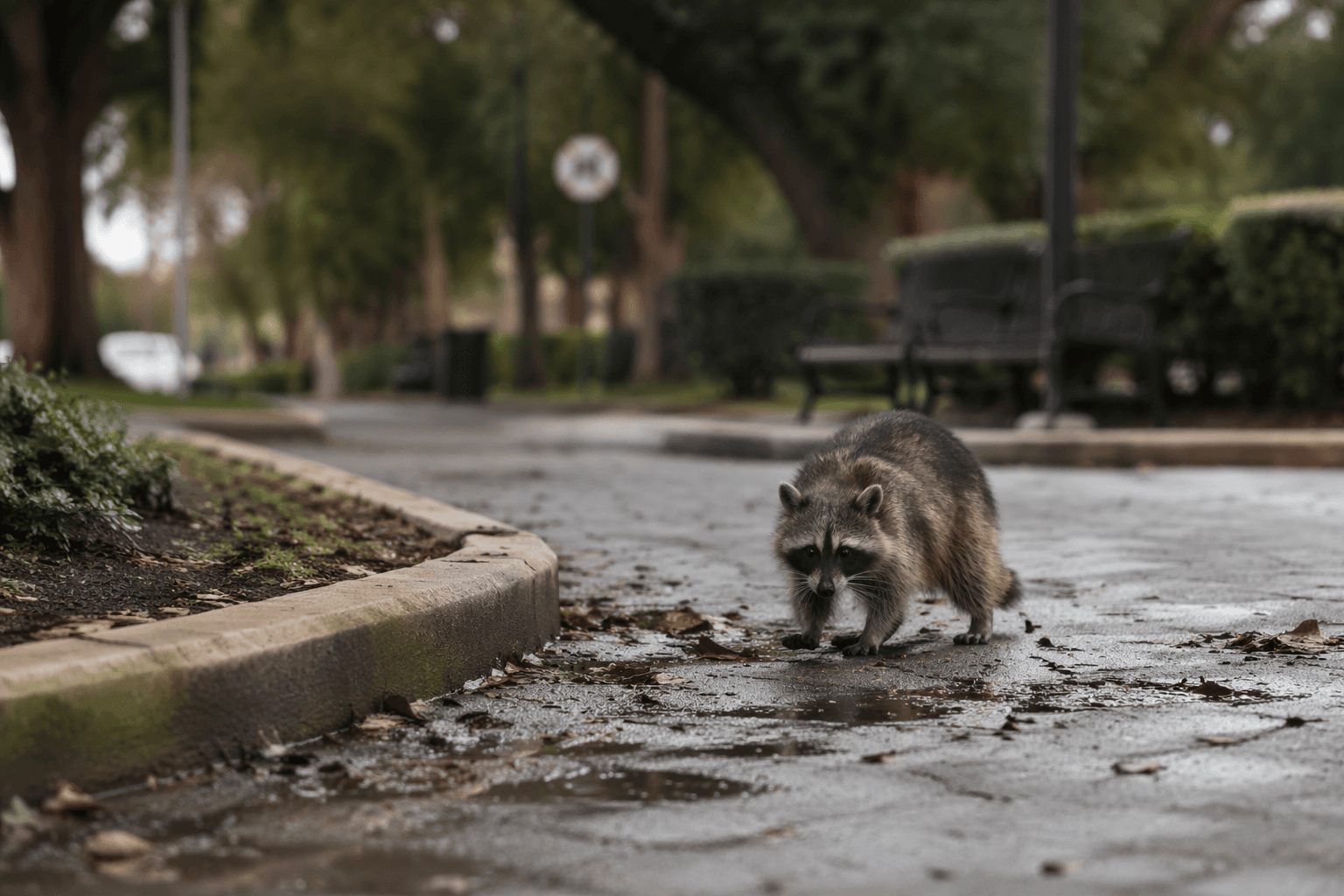
Residents were also told not to leave outdoor pet food or open garbage cans where they can draw wildlife, not to try to adopt a wild animal, and not to bring one into the home. Bats drew special attention in the advisory, with residents told to keep them out of living spaces, schools and other occupied areas and to call a licensed wildlife rehabilitator or local animal control instead of attempting to remove one themselves.
Seminole County issued an advisory after a rabid raccoon was confirmed in the Chuluota area off Lake Mills Road on July 30, 2025, and another after a rabid bat was confirmed near 4200 Dike Road in Winter Park on Oct. 23, 2025. Florida recorded 110 confirmed animal rabies cases in 2024 and 117 in 2025, and state health officials identify raccoons and bats as the main wildlife sources.
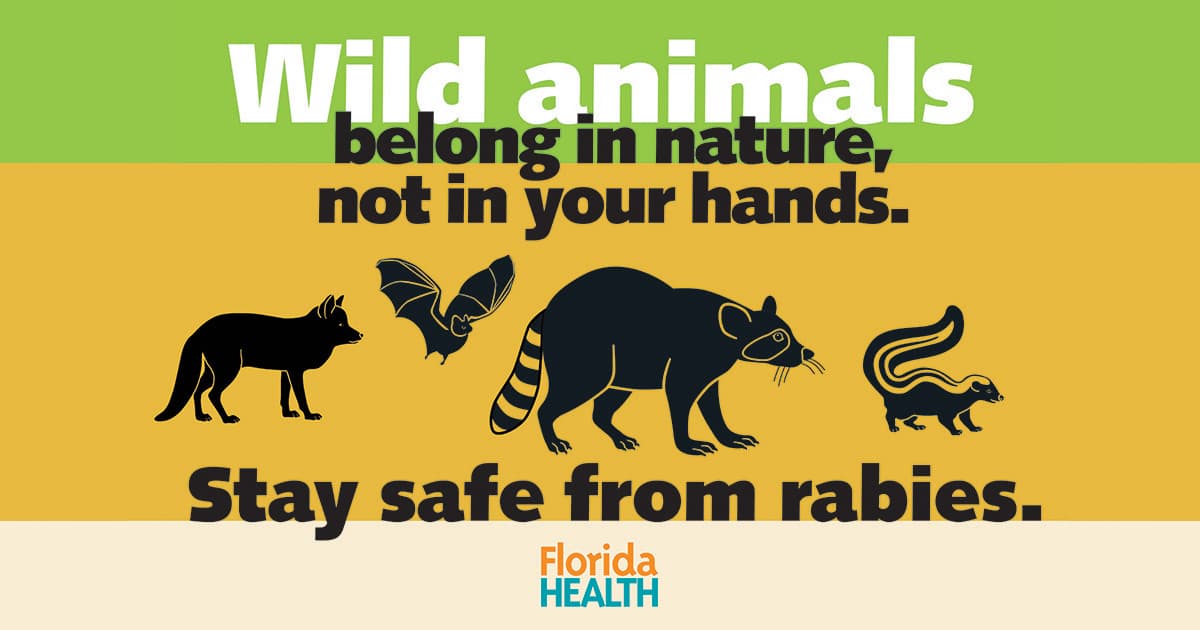
Rabies is nearly 100% fatal in humans and other mammals once symptoms begin. Florida guidance says exposed dogs, cats and ferrets are typically quarantined for 10 days or tested.

Seminole County Animal Services, established in the early 1970s, now enforces ordinances and provides rabies vaccinations and microchipping. Florida law requires dogs, cats and ferrets 4 months of age or older to be vaccinated against rabies.
This article was produced by Prism’s automated news system from verified source data, official records, and press releases, then run through automated quality and moderation checks before publishing. The system is built and supervised by the people who set the standards it runs under. Read our full AI policy.
Did this article answer your question?