Seminole County youth basketball teams scammed in fake tournament scheme
Seminole County teams lost hundreds of dollars to a fake basketball tournament, and a North Carolina man later admitted involvement in the scheme.
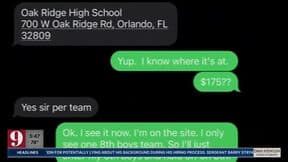
Seminole County youth basketball teams were hustled out of hundreds of dollars in an alleged fake tournament scheme that targeted families looking for competition opportunities. The money was tied to entry fees and related tournament costs for events that did not match what organizers claimed, leaving local teams with losses and no real tournament to play in.
A North Carolina man accused of taking the money later came forward with a confession, deepening scrutiny of how the scheme was carried out and how teams were persuaded to pay. The case raises immediate questions for parents, coaches and rec league organizers about how the event was promoted, what proof was offered, and whether anyone verified the tournament before money changed hands.

The episode lands in a county that has made youth sports and tournament traffic part of its tourism strategy. Seminole County leaders broke ground on a new $27 million sports complex expected to become one of Florida’s top youth and amateur tournament destinations, and county officials have already faced pressure to tighten oversight around those promises. After the first three months of operations at the Seminole County Sports Complex, tournaments produced only half of the projected hotel stays, and county contracts were later changed after 9 Investigates uncovered inconsistent contracts and unrealistic projections.
That broader sports economy can create openings for abuse when teams are eager to lock in games, hotels and travel plans. A fake tournament pitch can sound legitimate if it is pushed through social media, text messages or word-of-mouth, especially when the event name sounds local or the registration deadline looks urgent.
Families can protect themselves by confirming the organizer’s full legal name, calling the venue directly to verify the booking, demanding a written schedule and refund policy, checking that payments go to a registered business account with a receipt, and refusing to pay until the tournament appears on the facility calendar or an official team schedule. Coaches and league directors should also ask for references from past events and compare the promised fields, gyms and hotel partners against what is actually reserved before sending any money.
This article was produced by Prism’s automated news system from verified source data, official records, and press releases, then run through automated quality and moderation checks before publishing. The system is built and supervised by the people who set the standards it runs under. Read our full AI policy.
Did this article answer your question?