Seminole County's wilderness network offers nine old-Florida escapes
Seminole County's nine wilderness trailheads spread from Sanford to Geneva, and each one fits a different kind of weekend, from easy loops to river-edge paddles.
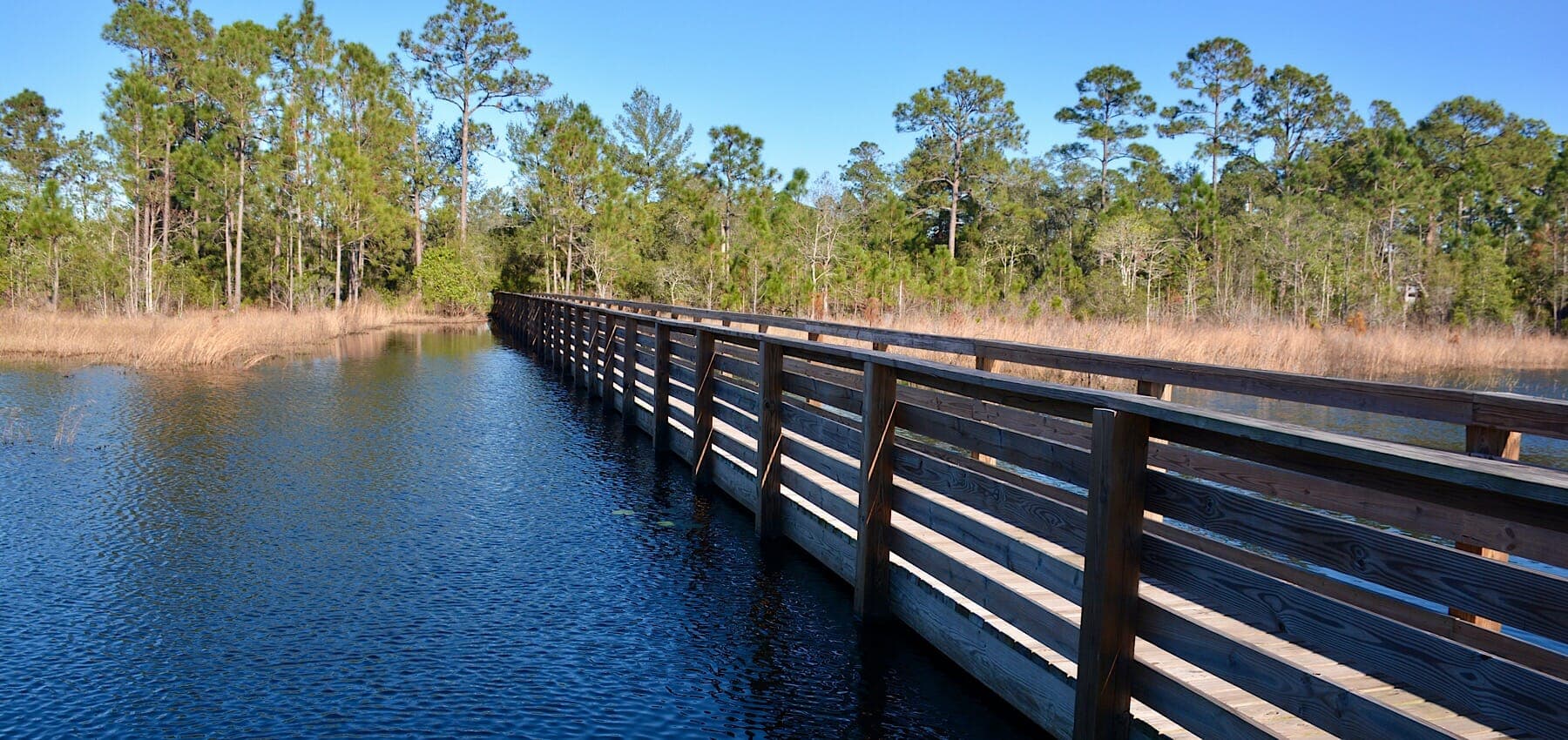
Seminole County has turned 7,300-plus acres and more than 130 miles of trails into a countywide wilderness network that reaches from Sanford to Longwood to Geneva. The practical question for a weekend outing is not whether to go, but which preserve matches your time, mobility and interests. County brochures also fold in the Cross Seminole Trail, guided hikes in Geneva, and trail rules that matter year-round: the areas are open from sunrise to sunset unless posted otherwise, and users are told to assume the risks of undeveloped natural land.
Easiest for kids: Geneva Wilderness Area
Geneva Wilderness Area, at 3485 N. County Road 426 in Geneva, is the cleanest answer when you want a short, low-pressure walk. County and trail-guide material describes prairie ponds, scrub and pine flatwoods, and outside trail guides put the loop at about 1.6 to 1.8 miles, with an easy grade and a walk that can be finished in about an hour. Seminole County also highlights guided hikes here, which makes this one of the network’s most approachable places to learn the system without committing to a long trek.
The tradeoff is simple: this is a gentle loop, not a full-day destination. If you want a first hike with young children, a stroller-free walk for older kids, or a quick reset before lunch in Geneva, this is the preserve that gives you the least complicated start.
Longest hike: Black Bear Wilderness Area
Black Bear Wilderness Area, with its trailhead at 5298 Michigan Ave. in Sanford, is the county’s most demanding named wilderness walk. Trail guides put the loop at 7.1 miles, a moderate hike with about 32 feet of elevation gain that usually takes 2 to 2.5 hours, and the setting along the St. Johns River makes the route feel more remote than its suburban access point suggests. The county describes it as natural land, and outside trail reports describe boardwalk sections, benches in spots, deer, alligators, butterflies and plenty of birds.
If you want the preserve that feels most like a real hike rather than a casual stroll, this is it. The same features that make it memorable can also make it tiring, especially after rain, because the route moves through wetland forest and can feel strenuous by Central Florida standards.
Best boardwalk walk: Black Hammock Wilderness Area
Black Hammock Wilderness Area, at 3276 Howard Ave. in Oviedo, is the best choice when you want a walk that stays easier on the feet but still feels wild. Trail material puts the route at about 4.5 miles, and the defining feature is a long boardwalk that carries you through scrub habitat above Lake Jesup. That mix gives the preserve a more open, elevated feel than many Seminole County trails, and it makes the walk usable when the ground elsewhere would be too wet.
The common frustration is the same one that makes the boardwalk necessary: this is not a shaded forest ramble, so the route can feel exposed in bright weather. Still, if you want a scenic outing that is easier than Black Bear but more substantial than Geneva, Black Hammock gives you a good middle ground.
Best for wildlife spotting: Econ River Wilderness Area
Econ River Wilderness Area, at 3795 Old Lockwood Road in Oviedo, is the county’s most habitat-rich stop for seeing what still survives in a wetland landscape. Seminole County’s trail guide notes that users enter through a single access point on Old Lockwood Road and that the land is open from sunrise to sunset unless posted otherwise; outside trail notes describe roughly 2.5 to 3 miles of trail through flatwoods, sandhill, oak hammocks and wet ground. The range of habitat is exactly why wildlife watchers keep coming back.
This is also one of the network’s least forgiving preserves after a rain. Trail chatter regularly mentions soggy footing, muddy shoes and wet feet, and some visitors note the lack of restrooms, so it works best when you are prepared for a rougher surface and a less developed experience.
Quiet east-county detour: Chuluota Wilderness Area
Chuluota Wilderness Area, at 3895 Curryville Road in Chuluota, is the preserve to choose when you want to stay in the county’s rural east side. It sits outside the busier suburban trail corridors, which gives it a different feel from Sanford’s lakefront access points or Oviedo’s more trafficked trailheads. Even without the fanfare attached to some of the larger preserves, it remains part of the same county natural-lands system that Seminole County has spent decades building and maintaining.
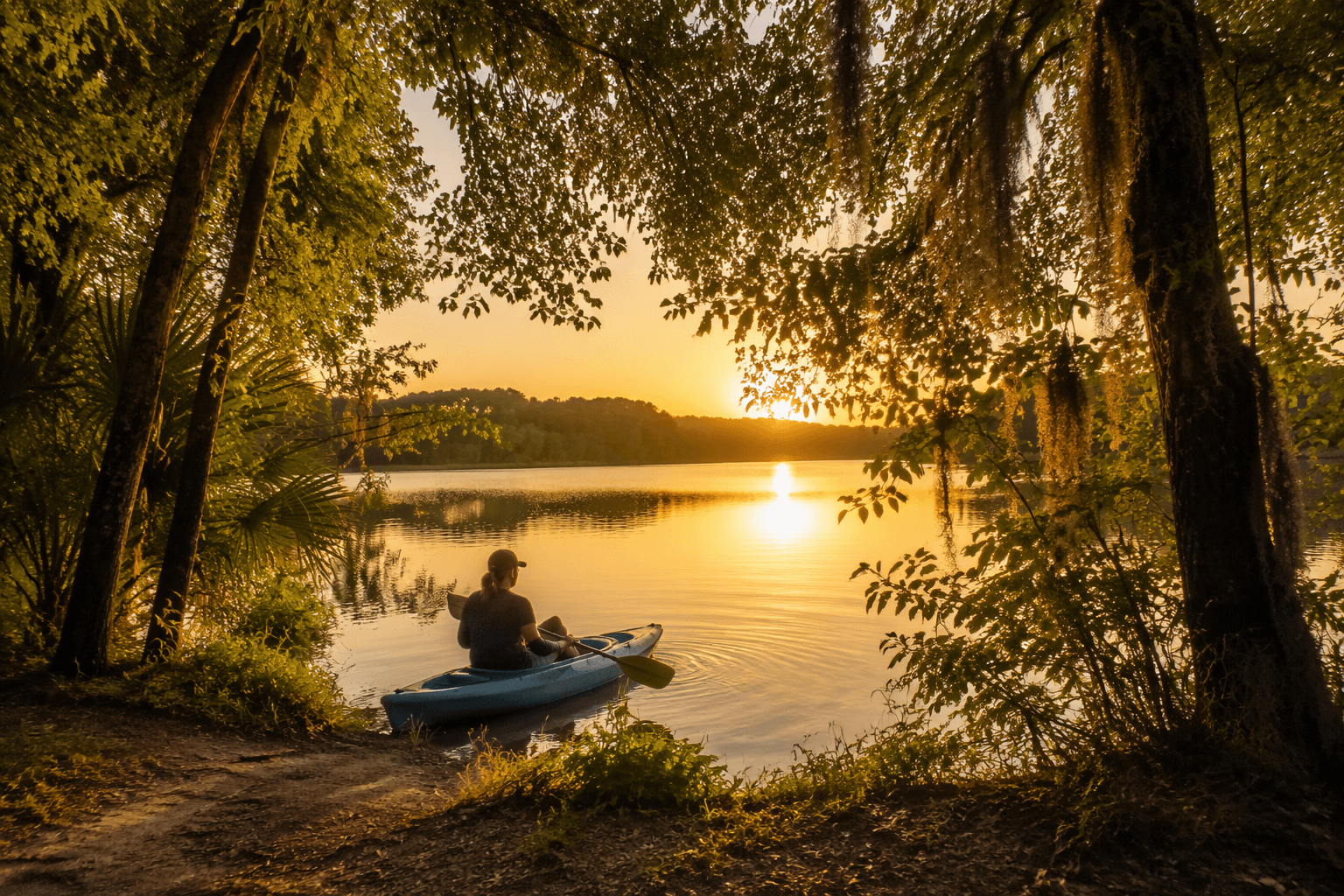
The value here is simplicity. If your goal is a quiet stop rather than a long list of features, Chuluota’s location does the work, and the county’s sunrise-to-sunset rule keeps the visit straightforward.
Best paddling-adjacent stop: Lake Harney Wilderness Area
Lake Harney Wilderness Area, at 2395 Osceola Fish Camp Road in Geneva, is the preserve that most clearly points toward water. The road name itself signals the setting, and county travel notes add a deeper layer: the area includes the former sawmill town of Osceola, with a historical marker at the parking area describing that history. That makes the stop useful in two ways, as a trailhead and as a reminder that Seminole County’s river country once powered a very different economy.
This is the place to slow down and read the landscape before moving on. The history marker gives you a reason to pause, and the water-oriented setting makes the preserve a good fit when your day may include paddling or simply time near the lake and river system.
Best close-to-town wildlife stop: Lake Jesup Wilderness Area
Lake Jesup Wilderness Area, at 5951 S. Sanford Ave. in Sanford, gives north-county residents an easy lakeside escape without leaving town behind. Its Sanford address makes it one of the most convenient natural-lands stops in the network, especially when you want a quick look at open water and don’t have time for a deeper drive east or south. For people who know Lake Jesup mainly as a landmark on the map, the preserve turns it into a practical place to step outside.
Its convenience is also its limitation. This is the preserve for a short outing that starts close to home, not for the sense of remoteness you get in Geneva or along the St. Johns River corridor.
Best broad passive preserve: Lake Proctor Wilderness Area
Lake Proctor Wilderness Area, at 920 State Road 46 in Geneva, is described in county documents as an approximately 475-acre property purchased through the Natural Lands Program. That acreage matters because it shows how Seminole County has used voter-approved land conservation to build a wider wilderness network rather than a single showcase park. The preserve fits the county’s broader policy goal of protecting land for preservation, passive recreation and environmental education.
As a weekend stop, Lake Proctor is the place to go when you want breathing room more than a crowded trail amenity list. It is a quiet, substantial tract, but the same passive-recreation model that protects it also means you should expect a natural landscape first and a built-out park experience second.
Closest-in escape for Longwood: Spring Hammock Preserve
Spring Hammock Preserve, at 2985 Osprey Trail in Longwood, gives the northwest side of the county its own wilderness access point. For residents who want a quick outing without crossing the county, that address is the appeal: you can get into a natural-lands setting while staying close to home. It also fits the system Seminole County has spent 35 years building since the Natural Lands Program was authorized by voter referendum in 1990.
Spring Hammock is part of a larger public decision that did not stop with one preserve. The county later created the Seminole Forever Land Acquisition Program in 2023 to help protect more natural and passive recreation land, and that is the real story behind a trailhead like this one: Seminole County keeps expanding the places where residents can still find old-Florida ground in a fast-growing county.
This article was produced by Prism’s automated news system from verified source data, official records, and press releases, then run through automated quality and moderation checks before publishing. The system is built and supervised by the people who set the standards it runs under. Read our full AI policy.
Did this article answer your question?