Volunteers Complete Major Build Out at Georgetown Community Garden
Volunteers finished the build out at the Georgetown Community Garden at Historic Hopper Academy on December 15, 2025, installing fence posts and raised beds to prepare the site for planting. The new garden is expected to expand access to fresh produce, create outdoor learning space, and strengthen neighborhood resilience across Seminole County.
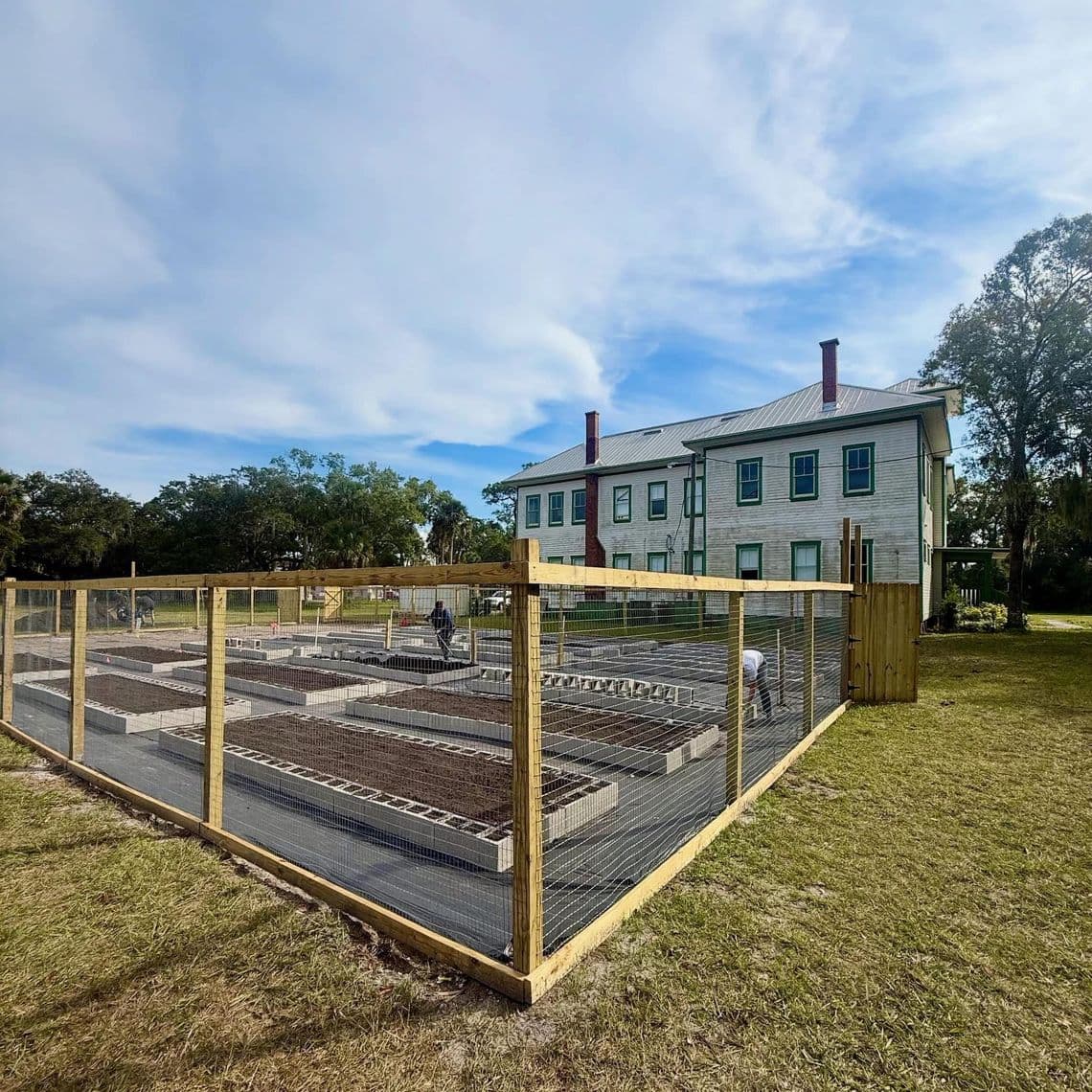
On December 15, 2025, community volunteers reached a key milestone at the Historic Hopper Academy as the Georgetown Community Garden build out moved from construction into readiness for planting. Work over recent weeks culminated with new fence posts, raised beds, and soil brought in by neighbors and local volunteers, transforming a vacant corner of the academy grounds into a shared food producing space.
Organizers described the effort as a broad community collaboration that relied on residents donating time and labor rather than large institutional funding. Volunteers handled groundwork and carpentry for garden beds, repaired perimeter fencing, and prepared planting areas, creating an accessible plot intended for ongoing community use. The hands on efforts mirror growing interest in locally grown food and neighborhood green spaces across Seminole County.
Susan Wenner, who documented the project, thanked volunteers for their role in the effort. "Thank you to everyone who has shown up, given their time, and poured love into this space. Georgetown is growing, literally, and we’re so grateful."
Community gardens like the one at Historic Hopper Academy have implications for public health and social equity. They increase opportunities for fresh fruits and vegetables in neighborhoods where grocery access may be limited, offer safe outdoor activity and stress reduction, and provide places for children to learn about nutrition and science. They also serve as a low cost intervention that can build social ties and mutual aid among residents, which public health experts consider important for resilience during health and economic strain.
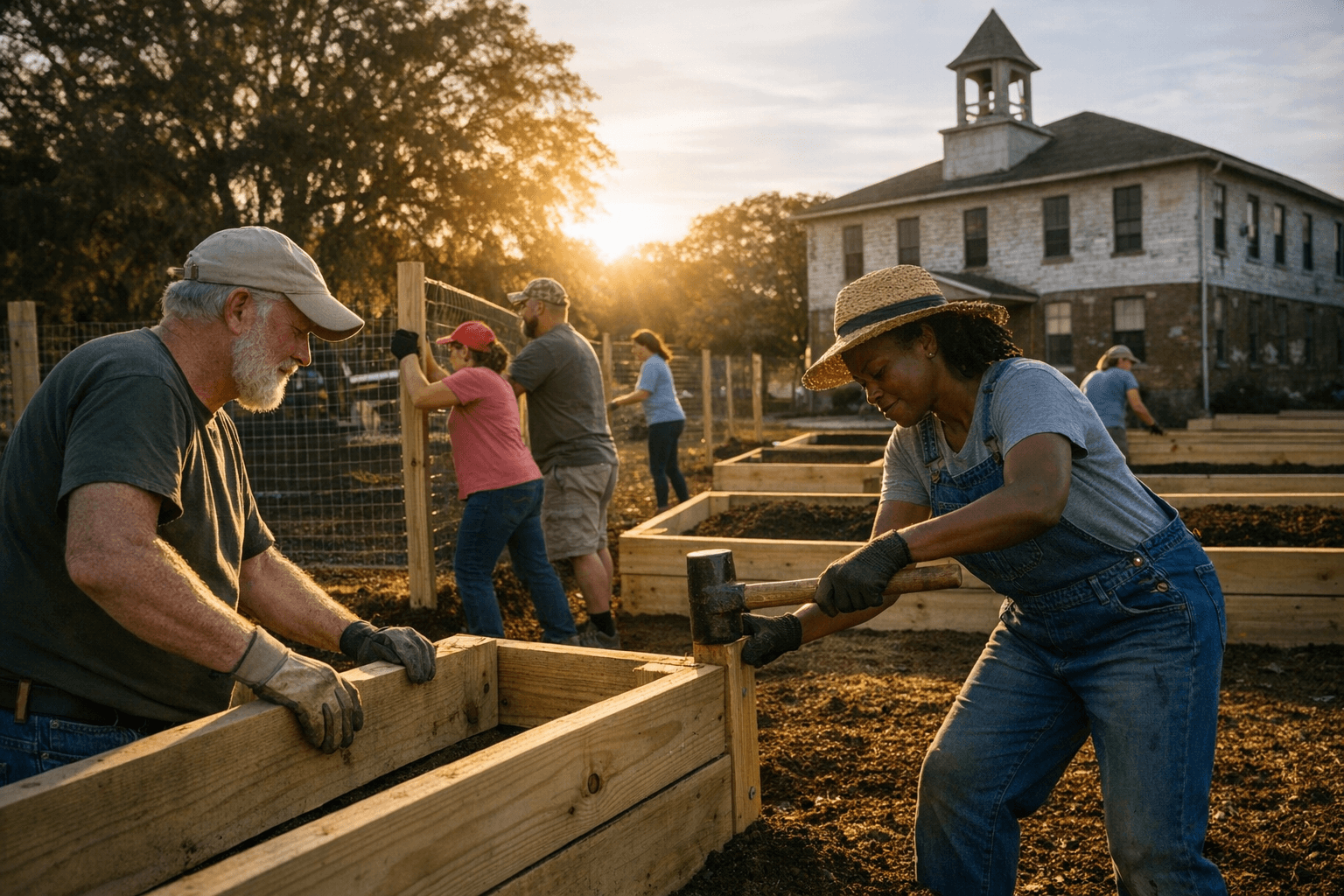
Sustaining the garden will require ongoing volunteer coordination, seed and tool donations, and clear agreements on site management and access. Local policymakers and health providers can support such projects by easing land use barriers, offering technical assistance, and integrating gardens into nutrition and community health programming.
For Georgetown neighbors, the completed build out is both a physical improvement and a symbol of community capacity. As planting begins in the coming weeks, the space will offer practical benefits and a gathering place that reflects local investment in health, equity, and shared stewardship.
This article was produced by Prism’s automated news system from verified source data, official records, and press releases, then run through automated quality and moderation checks before publishing. The system is built and supervised by the people who set the standards it runs under. Read our full AI policy.
Did this article answer your question?


