Waymo Driverless Taxis Could Begin Orlando Service in March, Seminole Officials Warn
Waymo could begin driverless taxi service in Orlando in March 2026, a change Seminole County residents should watch for if they travel into the city.
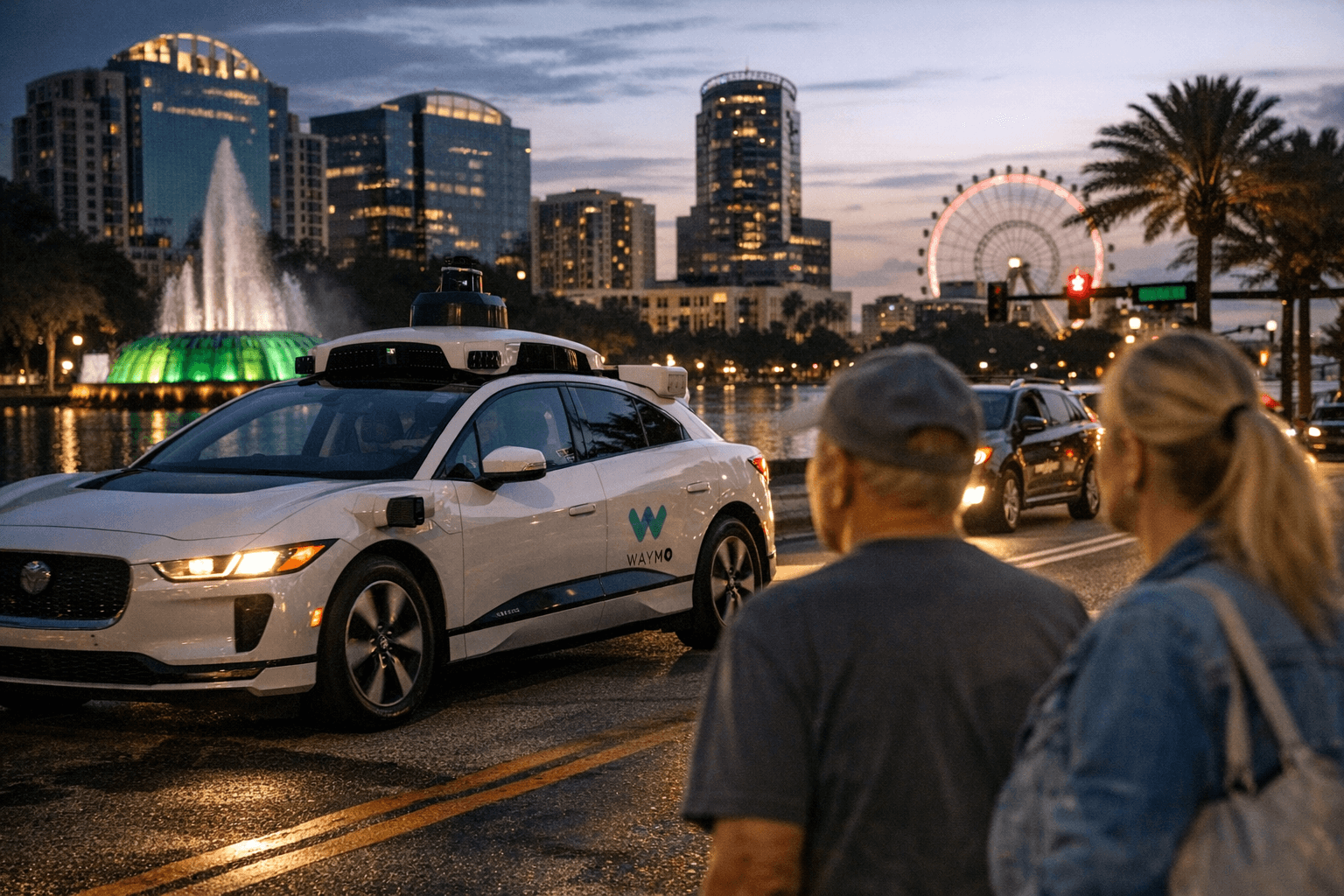
Waymo could begin full commercial driverless taxi service in Orlando as early as March 2026, after months of testing its autonomous vehicles on city streets, Seminole County officials warned. The company’s expanded presence in central Florida stands to affect commuting patterns and local mobility options for Seminole County residents who travel into Orlando for work, medical appointments, and entertainment.
Seminole County officials signaled the timetable on January 19, 2026, and urged residents to exercise caution and awareness as autonomous vehicles increase on public roads. Test vehicles have been operating in the Orlando area and the anticipated startup of paid service would mark a shift from pilot testing to routine operations, bringing higher vehicle volumes and new interactions between human drivers, pedestrians, and driverless systems.
The local economic implications are multi-layered. Waymo’s entry into commercial service could intensify competition with existing ride-hailing and taxi providers, potentially lowering fares on some routes or changing price structures during off-peak and peak hours. For Seminole County residents who rely on trips into Orlando, the service could increase transportation options and influence decisions about whether to drive, take traditional rideshare services, or use an autonomous taxi. Local healthcare access and event attendance patterns could be affected if reliable, on-demand driverless trips become widely available during daytime and evening hours.
Policy and regulatory questions will determine how quickly those market effects play out. Seminole County governments and regional transportation agencies face decisions on signage, roadway rules, enforcement protocols, and data sharing with companies operating autonomous fleets. Insurance frameworks and liability standards for driverless vehicles will also shape commercial rollout and operating costs. County officials’ call for caution highlights the need for coordinated oversight between municipal authorities, county transportation planners, and state regulators before widespread deployment.
Longer term, a transition from testing to paid driverless service in a major tourist and employment center like Orlando could accelerate broader adoption of autonomous mobility across the region. That trend could reshape labor demand in driving occupations, alter parking and curb-use patterns, and influence local transit planning as mobility-as-a-service options expand.
For Seminole County residents, the immediate takeaway is practical: expect to see more Waymo vehicles in Orlando streets this spring and plan trips with awareness of autonomous operations. County officials say they will monitor developments and inform the public as service timing and local rules become clearer.
This article was produced by Prism’s automated news system from verified source data, official records, and press releases, then run through automated quality and moderation checks before publishing. The system is built and supervised by the people who set the standards it runs under. Read our full AI policy.
Did this article answer your question?