Winter Springs Residents Fight 5G Poles Near Homes, But State Law Ties City's Hands
A Winter Springs homeowner says a 5G pole sits just feet from his backyard, but Florida's Advanced Wireless Infrastructure Deployment Act leaves the city powerless to move it.
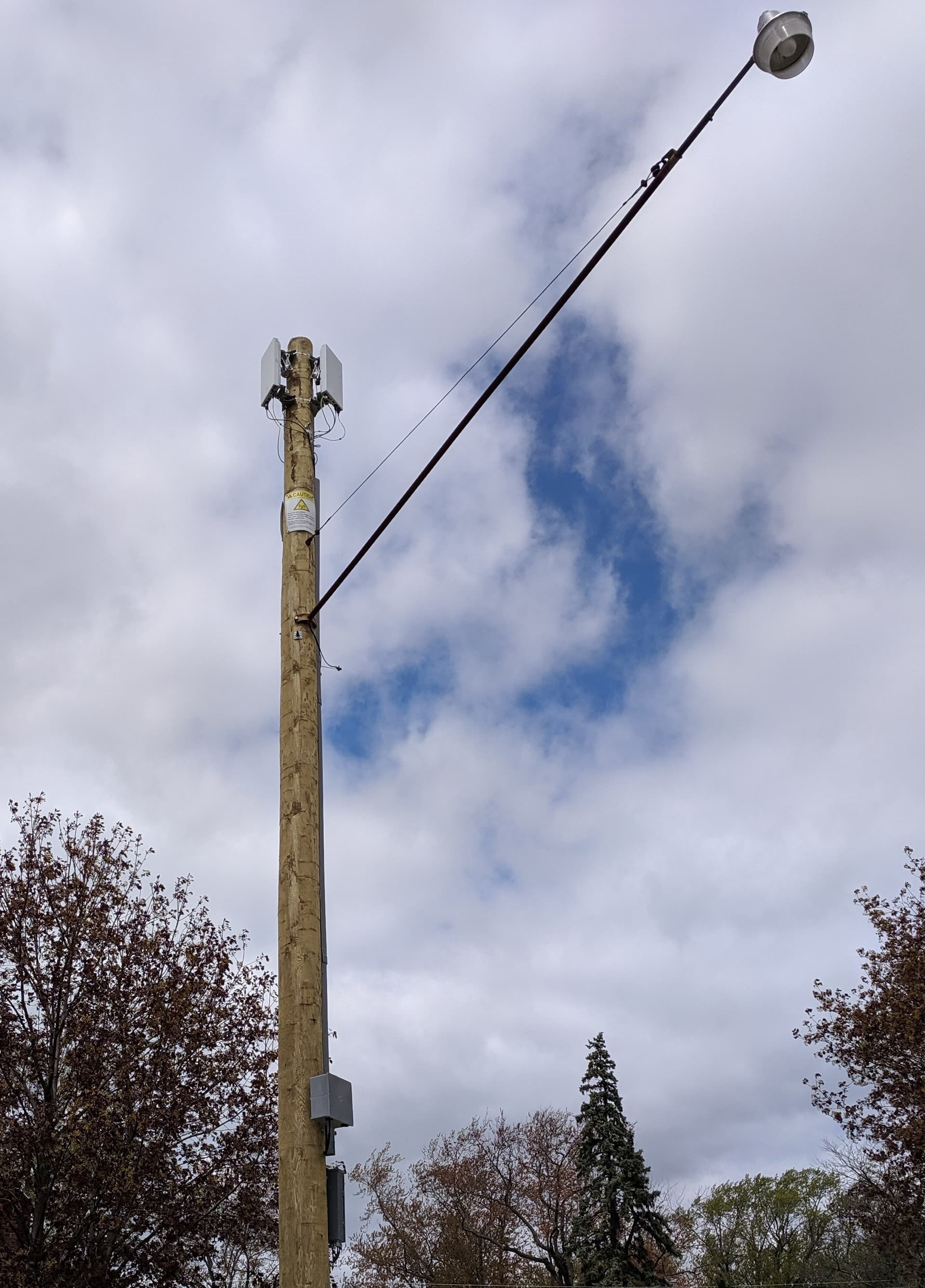
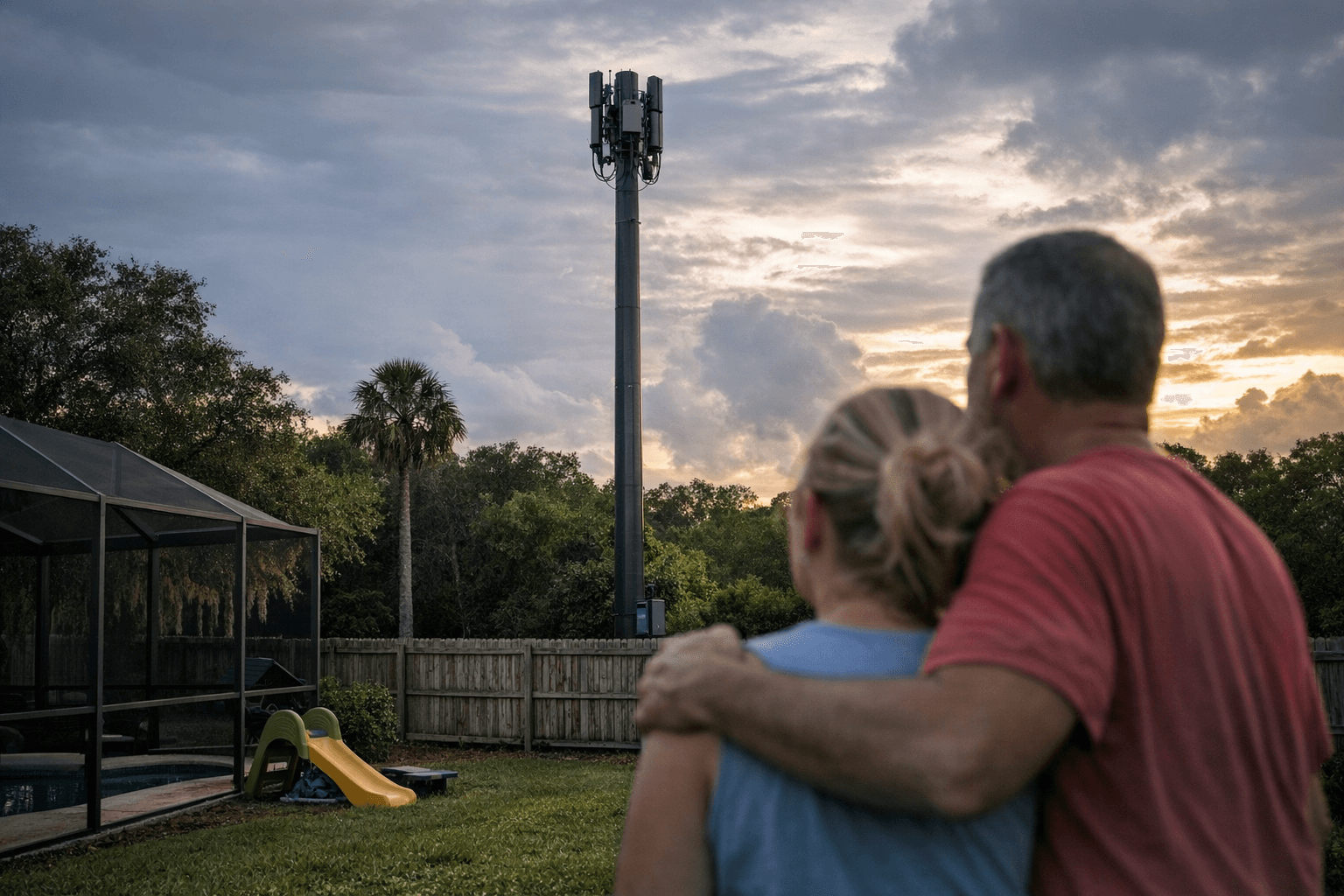
A 5G small-cell pole now looms just feet from Frankie Perez's backyard in Winter Springs, and neither he nor his city has much power to do anything about it. "It's an eyesore," Perez said. "Not quite the view I was thinking when I bought this house."
Perez is not alone. Multiple small-cell installations and permit applications appeared near residential yards and neighborhood parks across Winter Springs in recent months, triggering a wave of public objections that dominated city commission meetings and public comment sessions throughout March. The frustration has collided with a hard legal ceiling: Florida's Advanced Wireless Infrastructure Deployment Act limits how much control municipalities have over where wireless providers plant equipment in public rights-of-way.
On Winter Springs Boulevard, another tower drew the attention of resident Hallie Johnson, who described it with a name that stuck. "That's the smokestack tower," she said. Johnson contacted News 6 after noticing the installations spreading through her neighborhood, then took her complaints directly to the Winter Springs City Commission. What she heard there was not encouraging. Commissioners told residents there is little the city can do because of federal and state laws, with leaders specifically pointing to the Florida statute as the binding constraint.
Johnson pressed the question of fairness. "Would you buy a house with this in the background? I'm not sure I would," she said. "Why not put it somewhere where it's not gonna affect the homeowner's property value?"
The financial picture makes the city's position even more constrained. Verizon and other carriers pay for installation and maintenance of the small-cell poles under the current framework, according to city officials. But if Winter Springs wanted to move an already-installed pole, that bill would fall on taxpayers. A city official identified only as Bruce told News 6 the cost could run anywhere from $3,000 to $30,000, though the exact basis for that range, whether per pole or per project, was not specified.
City staff met with Verizon last week to discuss the possibility of relocating any proposed towers, and those conversations are ongoing. No formal relocation requests, permit denials, or ordinance changes have been announced. Until the city and Verizon reach any agreement, or until state law changes, residents like Perez and Johnson are left looking out their windows at infrastructure that was never subject to their approval.
This article was produced by Prism’s automated news system from verified source data, official records, and press releases, then run through automated quality and moderation checks before publishing. The system is built and supervised by the people who set the standards it runs under. Read our full AI policy.
Did this article answer your question?