Winter Springs residents seek answers after Oak Forest Lake fish kill
Dead fish lined Oak Forest Lake in Winter Springs, and residents now want to know whether low oxygen, runoff or something bigger is threatening the water.
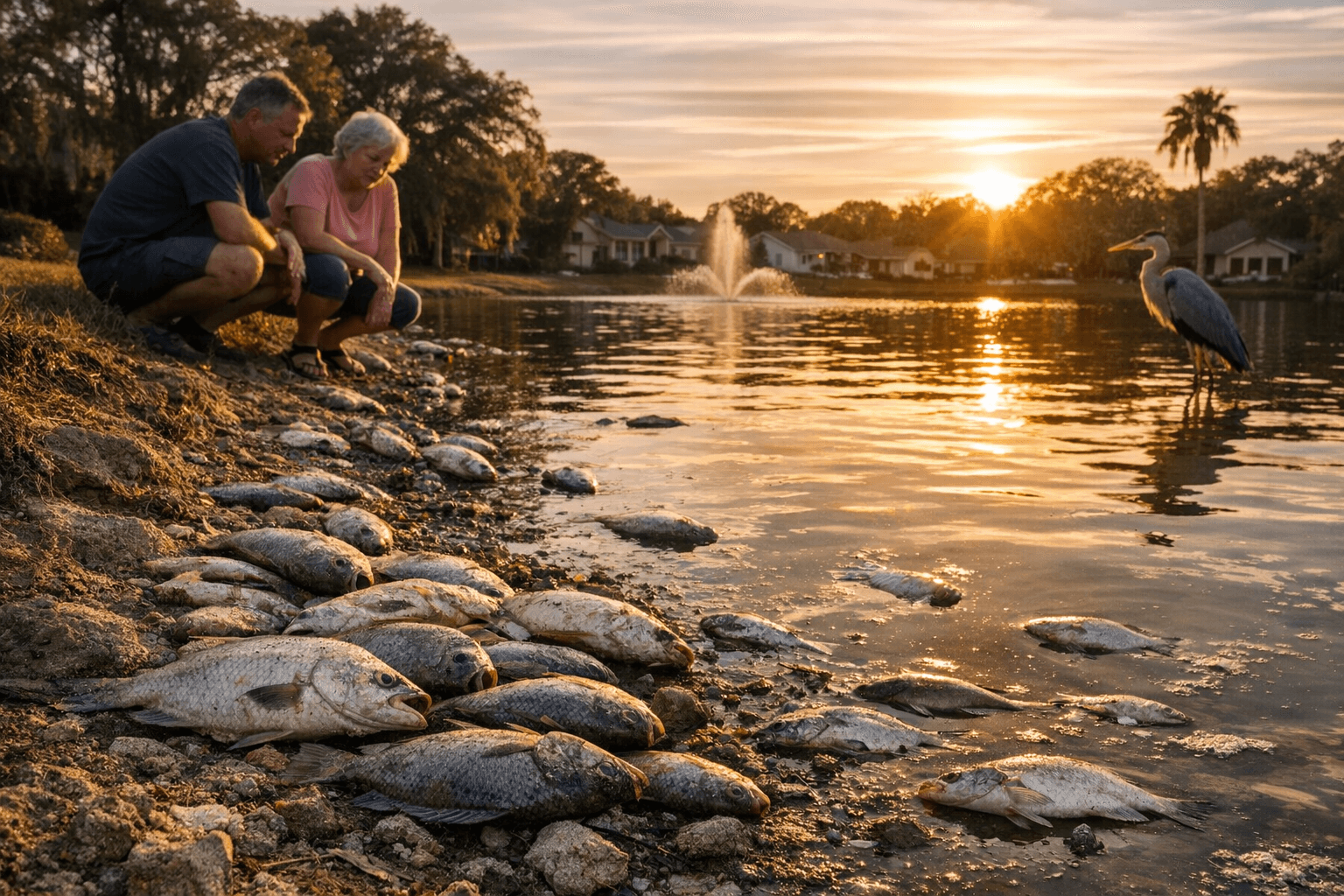
Residents around Oak Forest Lake in Winter Springs are demanding answers after a fish kill left dead bass, carp, catfish, crappie, bluegill and minnows floating along the shoreline. The scale of the die-off has shaken a neighborhood that has lived with the lake for decades and is now wondering whether this was a one-time event or a sign of a larger water-quality problem.
Winter Springs officials said low oxygen levels, weather changes, runoff or other factors may have contributed to the kill, which happened last month and was first reported publicly on April 21. The city installed a pump to restore oxygen and stabilize water quality, but the cause has not been pinned down. That uncertainty is driving frustration for people living near the lake, who want to know whether the problem could happen again and whether nearby pets, birds and other wildlife could be at risk.
Greg Seidule, who has lived on the lake with his wife since the 1980s, said the scene was unlike anything he had seen there before. Winter Springs Commissioner Mark Caruso said residents quickly reached out to him after the fish started washing up, and he said he saw at least 20 contractor garbage bags filled with fish collected from the lake.
The cleanup also puts a spotlight on who is responsible for keeping private lakes healthy in Winter Springs. The city says it is contracted to maintain 116 lakes and ponds and spends about $5,500 a month on those water bodies. But other local reporting has shown that Winter Springs has 345 ponds, and 224 are maintained by other governments or private entities such as homeowners associations, raising a broader question about who pays when a lake needs emergency work, testing or restocking.
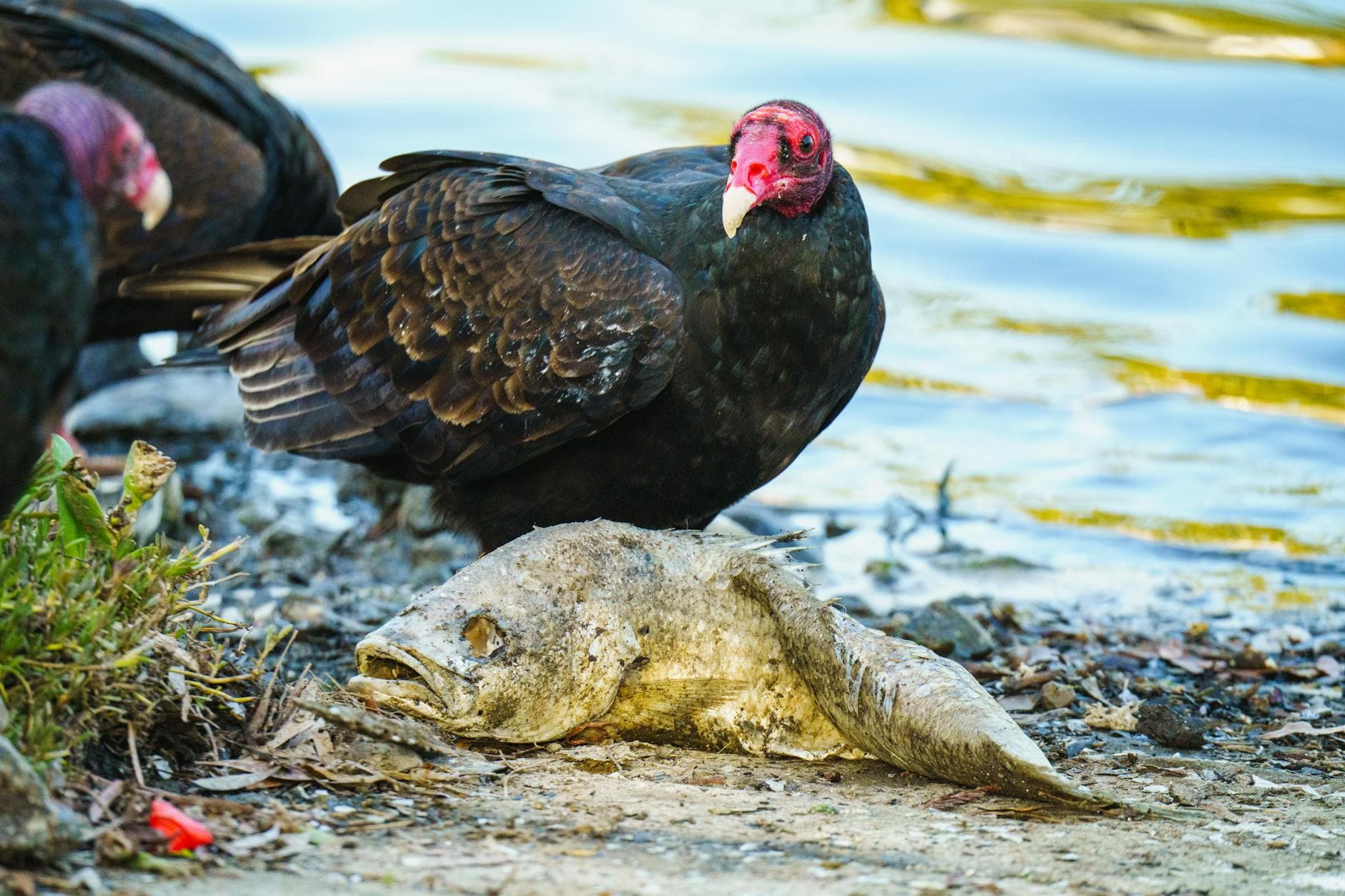
Florida Fish and Wildlife Conservation Commission guidance says fish kills happen frequently in Florida and are often natural, but they can also be caused by human actions. Low dissolved oxygen is one of the most common causes, especially in warm, stagnant ponds, and algae blooms, harmful algal blooms and extreme weather can also play a role. The agency’s Fish Kill Hotline started in 1995, has received more than 40,000 reports and gets about 2,000 reports a year.
The Oak Forest Lake episode also carries extra weight in Winter Springs because of what happened in 2021, when a wastewater plant malfunction sent an estimated 10,000 to 15,000 gallons of sewage into a private lake and triggered a massive fish kill. That history has left neighbors wary, and it has turned a dead-fish cleanup into a larger test of transparency, maintenance and environmental accountability in Seminole County.
This article was produced by Prism’s automated news system from verified source data, official records, and press releases, then run through automated quality and moderation checks before publishing. The system is built and supervised by the people who set the standards it runs under. Read our full AI policy.
Did this article answer your question?


