Adventure Ecologies founder teaches wilderness safety in St. Louis County
Anna Swarts is turning wilderness know-how into a local service, teaching St. Louis County families and groups how to explore safely while building a more inclusive outdoor culture.
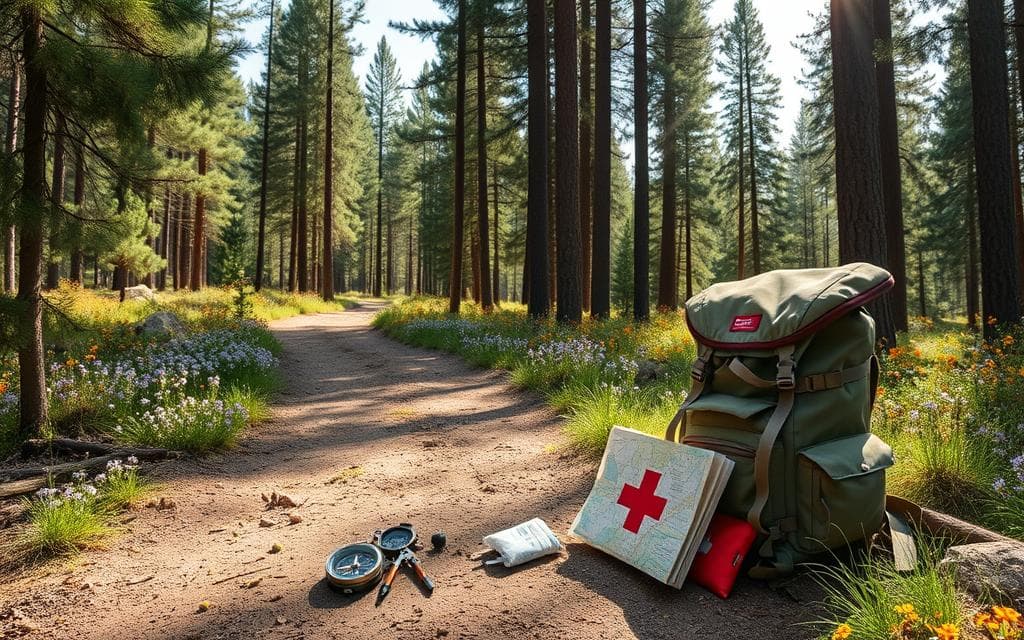
Anna Swarts is meeting a growing St. Louis County need with a simple idea: if more people are heading outdoors, more people need real safety training. Through Adventure Ecologies LLC, she teaches wilderness preparedness, leads guided trips, and offers practical instruction built around connection, inclusion, and sustainable outdoor experiences. For families, schools, and recreation groups exploring the North Shore, the Boundary Waters, and other rugged terrain, that combination is becoming less like a specialty and more like basic infrastructure.
A small business built around readiness
Adventure Ecologies is not just a guiding service. The company says it offers workshops, trips, private programs, and outdoor resources, giving people different ways to learn depending on whether they are planning a first outing or a more ambitious backcountry experience. Swarts founded the business in April 2025, and the work already reaches beyond one audience, including a women’s retreat in Walker each fall and virtual community education courses for districts such as Duluth and Cloquet.
That mix matters in a place where outdoor recreation is part of daily life and not just a vacation perk. In St. Louis County and the surrounding region, people do not simply admire the outdoors from a distance. They hike, paddle, snowshoe, camp, and travel into remote places where preparation can shape whether a trip feels empowering or ends in a preventable problem.
Why Swarts’s teaching style resonates locally
Swarts’s comfort in the outdoors did not start with a business plan. She grew up in Red Wing, spent much of her youth outside, and was involved with the Red Wing Environmental Learning Center from middle school onward. Over time, those experiences stretched into longer, more complex, and more remote adventures, giving her the kind of practical background that makes wilderness instruction feel grounded rather than theoretical.
That progression is part of what gives her teaching credibility. She is not presenting safety as a list of rules from a distance; she is drawing from a life spent learning how to move through wild places with the right expectations. In a county where people regularly venture into cold-weather conditions, wooded trails, and canoe country, that perspective fits the real decisions families and groups face before they ever leave town.

Trail, water, and winter safety are part of access
The reason this kind of instruction matters is that outdoor access is not only about whether people can get to a trailhead or a lake. It is also about whether they feel confident enough to use the places they are lucky to have nearby. A beginner who knows how to prepare for changing weather, choose a route, or read the limits of a group is far more likely to return with a positive experience and come back again.
Swarts’s work speaks directly to that gap between interest and readiness. The spring-summer 2026 community education listing for “But Aren’t You AFRAID?! Practical Tips for Adventuring Safely (Online)” describes her as an adventure-loving instructor who wants to create a supportive space where people can become active outdoors. That framing reflects a broader public health and equity issue: safety education is not a luxury add-on, but one way communities widen access to recreation without turning every outing into a gamble.
A wider Minnesota model already points the way
Swarts is part of a larger network of outdoor education across Minnesota, and that network helps explain why her work lands with such force. Friends of the Boundary Waters Wilderness says its education program brings Boundary Waters ecology into classrooms across the state and provides free online curriculum and resources that begin at the computer and end outdoors. Its programs for grades 6-12 address Minnesota state standards and cover ecosystems, water quality, teamwork, and outdoor skills.
The organization also builds equity into access by offering scholarships to students from underserved backgrounds. A Minnesota Legacy project page says the “Connecting Students to the Boundary Waters” effort received $450,000 from the Environment and Natural Resources Trust Fund, ran from July 2019 through September 2022, and was projected to connect more than 11,000 students to the Boundary Waters through classroom education and wilderness canoe experiences. That is not a small pilot. It is evidence that outdoor learning is being treated as serious educational work with public value.

The trail community already knows her name
Swarts’s profile is not limited to community education. The Superior Hiking Trail Association called her its most-nominated Superior Hero and praised her dedication, upbeat attitude, and work ethic. The association also hosted her on February 21, 2021, for a webinar titled “An Absolute Beginner’s Guide to the SHT,” a sign that her teaching has long been aimed at helping newcomers feel welcome rather than intimidated.
That matters for St. Louis County because trail culture here depends on exactly that kind of invitation. People are more likely to return to the Superior Hiking Trail, the North Shore, or other regional outdoor spaces when they are not made to feel like outsiders. A good instructor does more than explain gear or route choice; she lowers the barrier to entry without lowering the standard for safety.
Red Wing shows how outdoor identity becomes community value
Red Wing’s tourism materials offer a useful example of how an outdoor identity supports more than scenery. The city is described as a place for hiking, biking, boating, fishing, and other outdoor recreation, including hiking a bluff, biking the Cannon Valley Trail, and participating in water sports. That blend of recreation and local pride mirrors what Swarts is doing now in a different part of Minnesota: turning the outdoors into something people can learn, share, and use responsibly.
For St. Louis County, the lesson is direct. When outdoor education is treated as a service, not a niche hobby, it helps families prepare, helps schools extend learning beyond the classroom, and helps recreation groups build safer habits before anyone steps onto a trail or into a canoe. Swarts’s work shows that wilderness safety is also community care, and in a region built around wild places, that may be one of the most practical forms of public service there is.
This article was produced by Prism’s automated news system from verified source data, official records, and press releases, then run through automated quality and moderation checks before publishing. The system is built and supervised by the people who set the standards it runs under. Read our full AI policy.
Did this article answer your question?