Aspirus St. Luke’s serves cookout to thank EMS crews
Aspirus St. Luke’s handed out hamburgers to EMS crews, but the bigger story was a system under strain, with St. Louis County logging 194,454 911 calls in 2024.

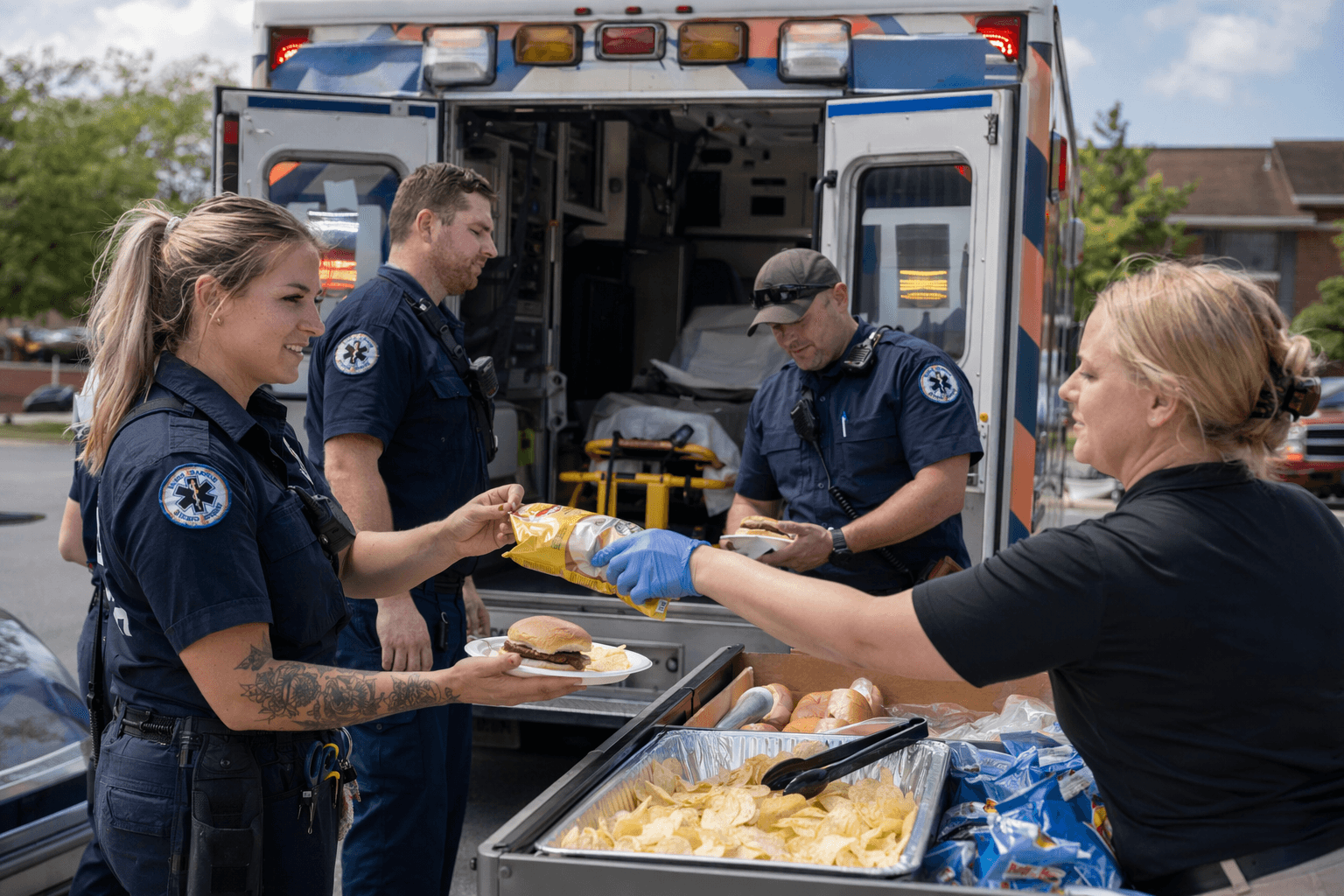
Hamburgers in the Emergency Department Ambulance Garage were a small thank-you, but the message behind Aspirus St. Luke’s EMS Week cookout was unmistakable: emergency medical crews are carrying more than a meal’s worth of pressure across the Northland.
The Duluth hospital hosted the cookout Wednesday, May 21, 2025, from 11 a.m. to 1 p.m. at 1012 E. 2nd Street as part of EMS Appreciation Week, which ran May 18-24. The event was aimed at the paramedics, firefighters, law enforcement officers, and EMS professionals who stabilize patients in the field, move them to the hospital, and often shape what happens before a doctor ever sees the case.
Dr. Dylan Wyatt, the department chair and medical director of emergency medicine, said EMS professionals are a throughline of support for the community. That is not just ceremonial language in a city like Duluth or a county as large and spread out as St. Louis County. EMS crews answer falls, crashes, cardiac emergencies, and medical crises, and they are the ones relaying vital information while the patient is still in transit.
Aspirus St. Luke’s says it depends on first responders, paramedics, firefighters, law enforcement, and EMS professionals for lifesaving interventions at the trauma scene and during transport. The hospital also said that when it was designing its emergency department in Duluth, it asked EMS teams for input. Its emergency departments participate in regional trauma advisory committees and national trauma programs, including TQIP and the ACS Trauma Registry, underscoring how closely the hospital’s work is tied to the pre-hospital system.
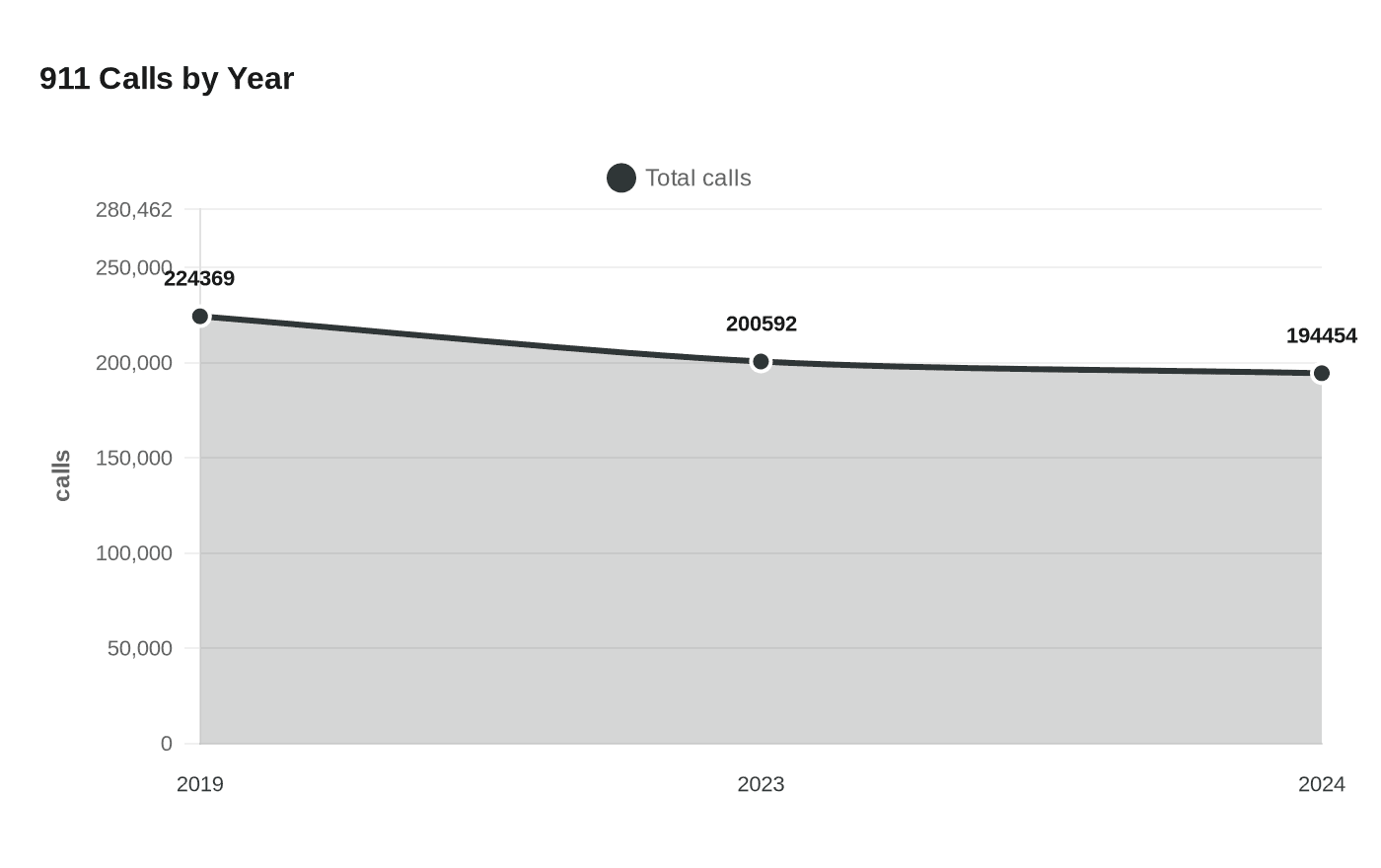
That system is working under real demand. The St. Louis County Sheriff’s Office 911 Division recorded 194,454 total calls in 2024, down from 200,592 in 2023 and 224,369 in 2019. Even with the decline from pre-pandemic levels, the volume reflects how often crews are stretched across a broad service area where minutes matter and staffing gaps can be felt immediately.
State leaders have acknowledged the strain. Gov. Tim Walz signed a $30 million rural EMS package on May 23, 2024, including $24 million in short-term emergency aid and $6 million for a Sprint Medic pilot program. But Minnesota’s EMS Regulatory Board has identified a $122 million statewide funding need to keep systems operating at present levels, and a 2024 EMS task force said testimony repeatedly pointed to a flawed administration and reimbursement model along with the need for recruitment and retention support.
Seen that way, the cookout was more than hospitality. It was a public nod to a workforce that keeps emergency coverage reliable, even when the system around it remains under pressure.
Know something we missed? Have a correction or additional information?
Submit a Tip