Breitung board weighs trapping feral cats in Soudan, seeks shelters
Breitung officials said they will live-trap feral cats in Soudan and push shelters for a no-kill outcome, but the board also warned disposal could follow if no placement is found.
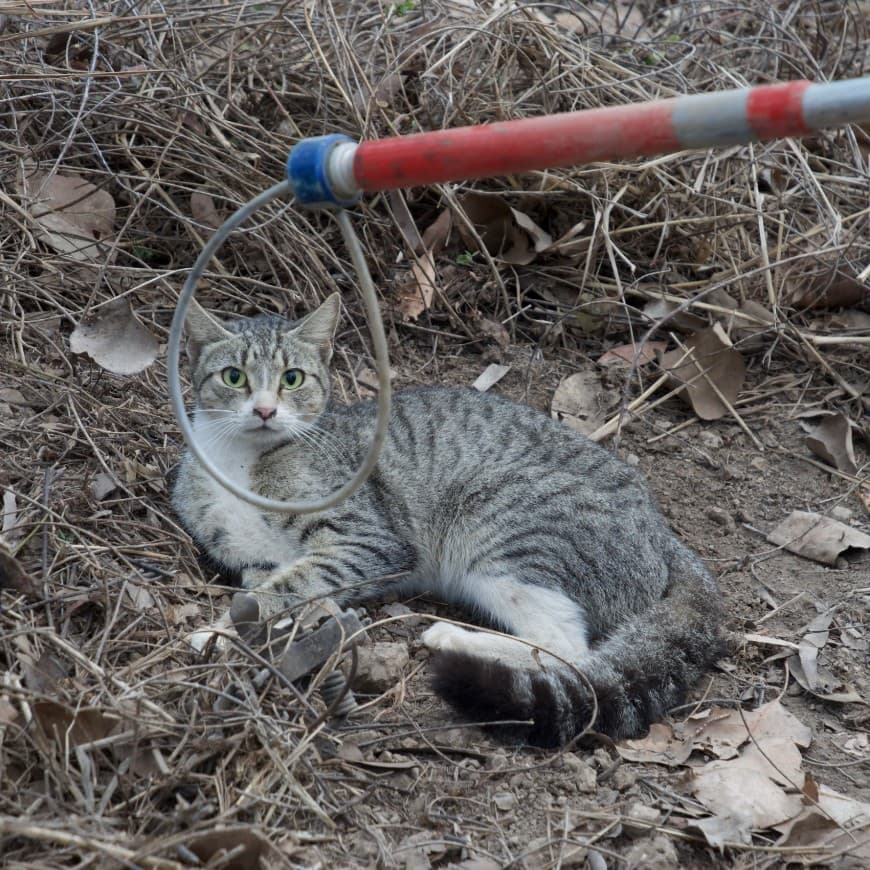
Residents pressing Breitung officials for relief from a growing feral-cat problem in Soudan got a practical, if uneasy, answer: the township will try live-trapping the animals and sending them to local shelters, while also searching for a no-kill solution.
The decision came at the Breitung Town Board meeting in Soudan on May 29, where clerk Amber Zak told board members she had heard from people on both sides of the issue, including residents who want the cats removed and others who want them left alone. The board directed Supervisor Erin Peitso to work with Police Chief Dan Reing on the problem, putting the township’s enforcement arm at the center of a dispute that is as much about public process as it is about animals.
If shelters refuse to take the cats, officials said the township may have no alternative but to dispose of them. That possibility has sharpened the stakes for neighbors who see the cats as a nuisance, and for residents who do not want healthy animals destroyed when other options might still exist. Breitung’s later summary of the issue said the township will do its best to find a no-kill solution.
The debate also touches basic township rules that already exist on paper but have not prevented the problem from growing. Breitung residents are limited to three pets, cats or dogs, and lifetime licenses cost $20 for spayed or neutered animals and $30 for intact animals. The township also asks residents not to feed cats or other wildlife, including deer and bears, a policy aimed at discouraging dependency, nuisance behavior and the disease risks that can follow when wild animals are drawn into neighborhoods.
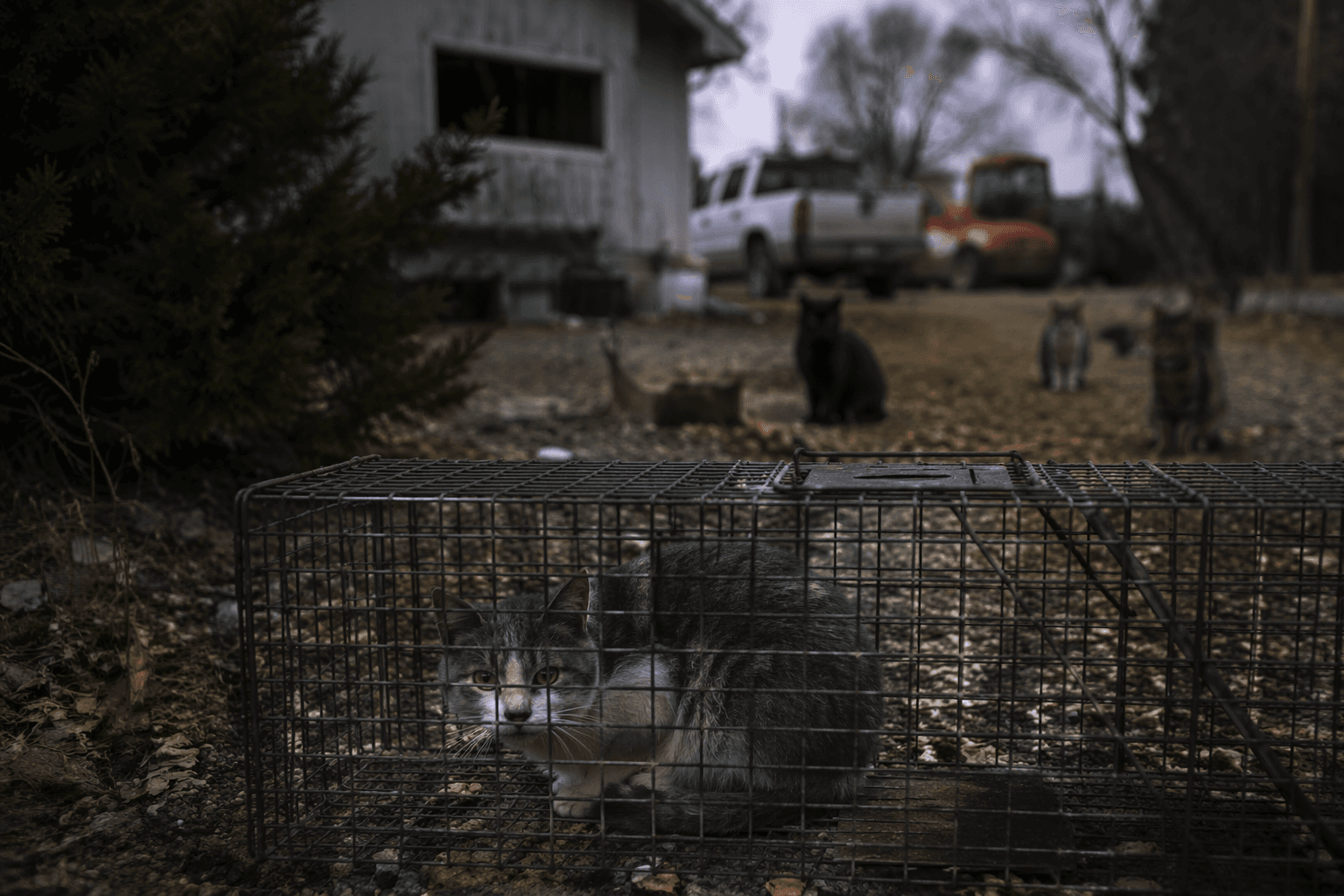
Those concerns are not abstract. The Minnesota Department of Health says rabies is spread when infected animals bite people or other animals, and the Minnesota Board of Animal Health says cats are among the common domestic species involved in Minnesota rabies cases. In that broader context, the board’s effort to trap rather than simply remove the animals reflects a local government trying to balance animal welfare, public health and limited shelter capacity.
Breitung’s handling of the issue also fits a recent pattern of ordinance enforcement. Township electors approved an update to the animal ordinance in 2024 that reduced violations from misdemeanor to petty misdemeanor and eliminated jail time, leaving officials to rely more on licensing, compliance and local enforcement than on criminal penalties. The cat discussion came amid a crowded board agenda that also covered a new accounting system, a squad car being outfitted, plans for a wilderness fire and medical rescue UTV, road and intersection concerns, the Thompson Farm Road relocation project, a joint comprehensive plan, blight reviews and an airport zoning board appointment.
This article was produced by Prism’s automated news system from verified source data, official records, and press releases, then run through automated quality and moderation checks before publishing. The system is built and supervised by the people who set the standards it runs under. Read our full AI policy.
Know something we missed? Have a correction or additional information?
Submit a Tip