Court upholds Spirit Mountain coaster ruling, insurance to cover most costs
A court ruling leaves Spirit Mountain’s insurer on the hook for most of a nearly $900,000 coaster injury bill, limiting the city-backed operator’s direct exposure.

Spirit Mountain’s insurer is expected to absorb most of a nearly $900,000 judgment after the Minnesota Court of Appeals upheld a lower-court ruling in the Timber Twister injury case, leaving the publicly backed recreation area with only a small slice of the cost.
The appellate court filed its nonprecedential decision May 4, 2026, in A25-1017, Jacquelyn Karre et al. v. City of Duluth et al., and affirmed the St. Louis County District Court judgment in file No. 69DU-CV-20-551. The dispute grew out of injuries that occurred in June 2018 on Spirit Mountain’s Timber Twister alpine coaster, a personal-injury case that included negligence claims against both sides and product-liability claims against Wiegand Sports GmbH, the coaster manufacturer. The court also noted that Wiegand cross-appealed, seeking attorney fees and costs for enforcing its indemnification rights, and it denied Spirit Mountain’s motion to strike portions of Wiegand’s brief as moot.
For Duluth taxpayers and anyone who follows the finances of city-backed attractions, the significance is not just the size of the award but how the liability gets paid. Earlier reporting indicated Spirit Mountain’s practical exposure was likely limited to a $10,000 insurance deductible, with the League of Minnesota Cities Insurance Trust handling the appeal. That means the judgment does not land as a full direct hit on the operator’s balance sheet, but it still underscores how one injury claim can travel through the courts and reach the public ledger before insurance steps in.
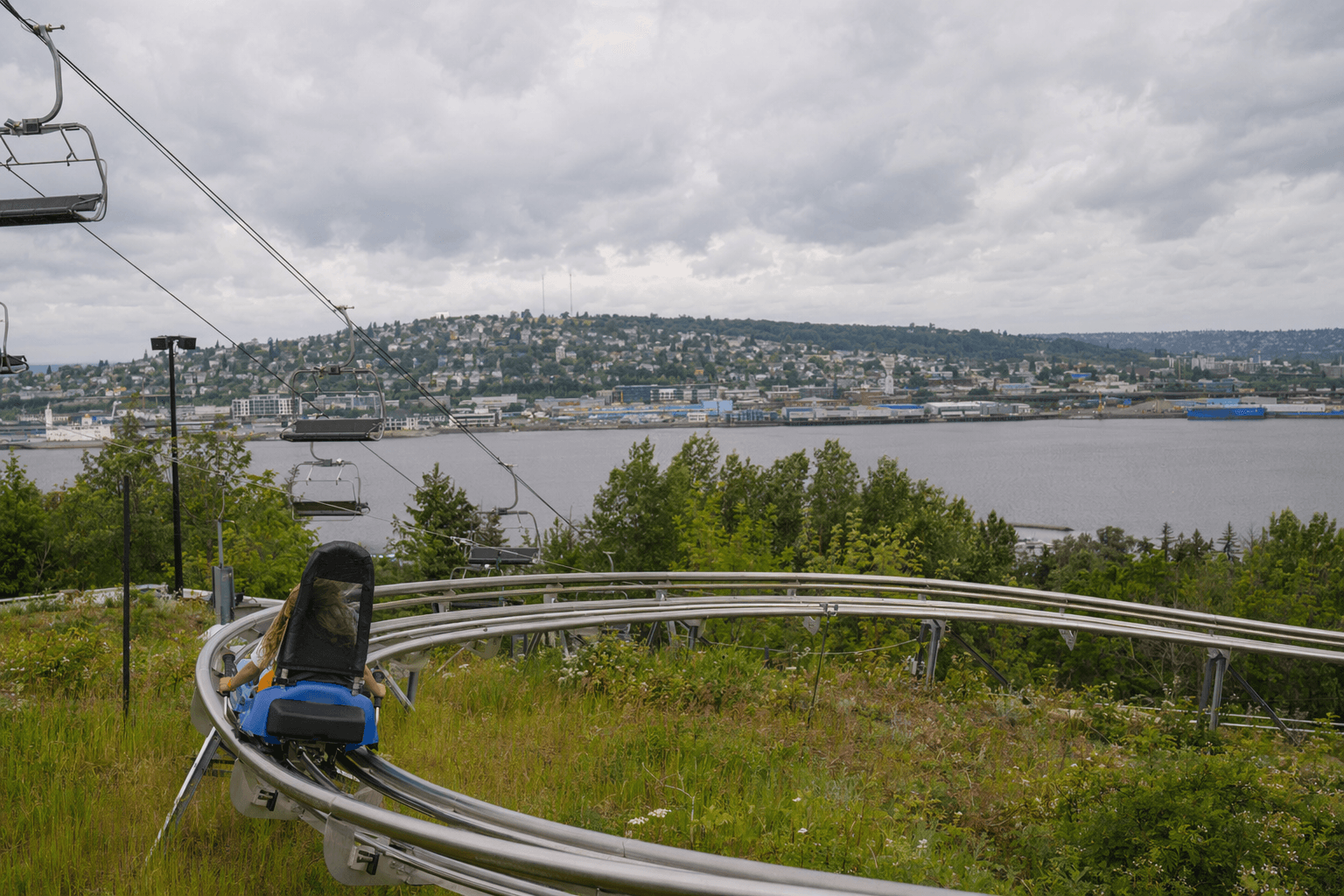
The Timber Twister is one of Spirit Mountain’s signature attractions, a 3,200-foot, year-round railed coaster that opened in 2010 and carries riders through the forest and down the mountain at speeds up to 26 mph. Spirit Mountain Recreation Area Authority, created in 1973 by Minnesota law and a Duluth City Council resolution, has long been pitched as an economic engine for the Lake Superior region. University of Minnesota Duluth archival material places its annual economic impact at more than $37 million, and says the authority invested $6 million in improvements since 2004, including Timber Twister in 2010, plus a zip line, mini golf course and tubing park in 2011.
The ruling closes one chapter of a long-running dispute, but it also fits a broader pattern at Spirit Mountain, where public ownership, visitor safety and legal risk have repeatedly intersected. A 1997 Minnesota Supreme Court case involving a fatal ski accident at the area already tested the limits of public-authority liability. For city officials and recreation managers, the latest decision is another reminder that major amenities can bring real economic benefits and real legal exposure, even when insurance softens the bill.
This article was produced by Prism’s automated news system from verified source data, official records, and press releases, then run through automated quality and moderation checks before publishing. The system is built and supervised by the people who set the standards it runs under. Read our full AI policy.
Did this article answer your question?