Duluth businesses split on ICE Out blackout, cite staff livelihoods amid backlash
Duluth businesses split over a statewide ICE Out blackout on Jan. 23, balancing protest solidarity with paying staff and facing online backlash that affects local workers' livelihoods.
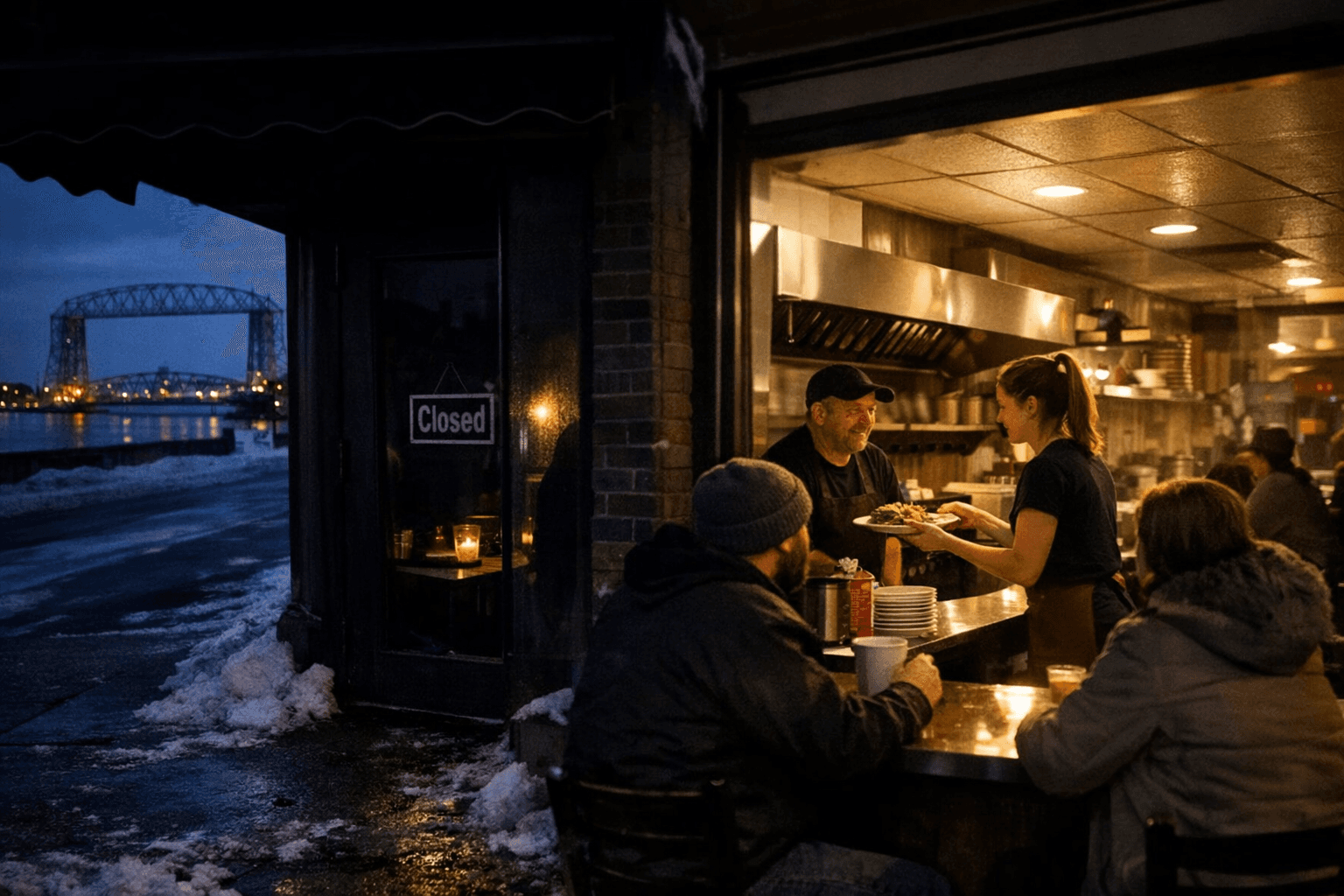
Duluth business owners took sharply different approaches to a statewide "ICE Out of Minnesota" economic blackout on Jan. 23, choosing paths that balanced political solidarity against payroll realities and customer reaction. Some shops and restaurants closed for the day and paid employees; others stayed open while offering community-focused alternatives such as free coffee, fundraising events, and donating proceeds to immigrant legal aid. The split left owners on both sides facing online backlash and threats, with many saying staff livelihoods guided their decisions.
Naturalight Candles and Coffee and Love Creamery were among local names that diverged in approach, illustrating the practical dilemmas small employers face in St. Louis County. For firms that closed and paid staff, the costs of a missed business day can be acute for enterprises operating on thin margins. For those that remained open with special offers or charitable tie-ins, owners cited efforts to sustain payroll while contributing to the broader cause. Regardless of strategy, proprietors reported negative online attention that complicated what they described as staff-centered choices.
The local ramifications are tangible. Retail and hospitality jobs make up a substantial share of Duluth’s small-employer payrolls, and a single lost day of revenue can ripple through tight cash-flow cycles. Employers who covered wages while closing absorbed direct costs up front; employers who stayed open faced potential boycotts and reputational risk that can depress future sales and complicate hiring. Online threats add a security and staffing cost that is not typically budgeted, increasing the operational strain on micro and small businesses.
Beyond immediate finances, the episode highlights broader market and policy implications. The polarization of consumer politics raises the cost of civic engagement for Main Street businesses, potentially shifting how firms handle activist-driven shutdowns or solidarity actions in the future. Local officials and business associations may need to consider guidance on employee protections, de-escalation support, and liability when political actions intersect with commerce. Charitable fundraising and donations to immigrant legal aid suggest one mode of civic response that channels consumer energy without halting payrolls.
For Duluth residents, the dispute matters because it affects jobs, neighborhood commerce, and how local businesses navigate political pressure in daily operations. The January 23 blackout underscored a trade-off many owners now confront: take a public stand and shoulder a day's payroll cost, or remain open and risk customer backlash while pursuing alternative forms of support. Expect continued debate in the weeks ahead as employers, workers, and civic leaders weigh policy options and look for pragmatic ways to protect livelihoods amid political protests.
This article was produced by Prism’s automated news system from verified source data, official records, and press releases, then run through automated quality and moderation checks before publishing. The system is built and supervised by the people who set the standards it runs under. Read our full AI policy.
Did this article answer your question?