Duluth council sets process to fill vacant Second District seat
A coin flip sits at the end of Duluth’s plan to replace its vacant Second District seat if councilors deadlock after multiple ballots.
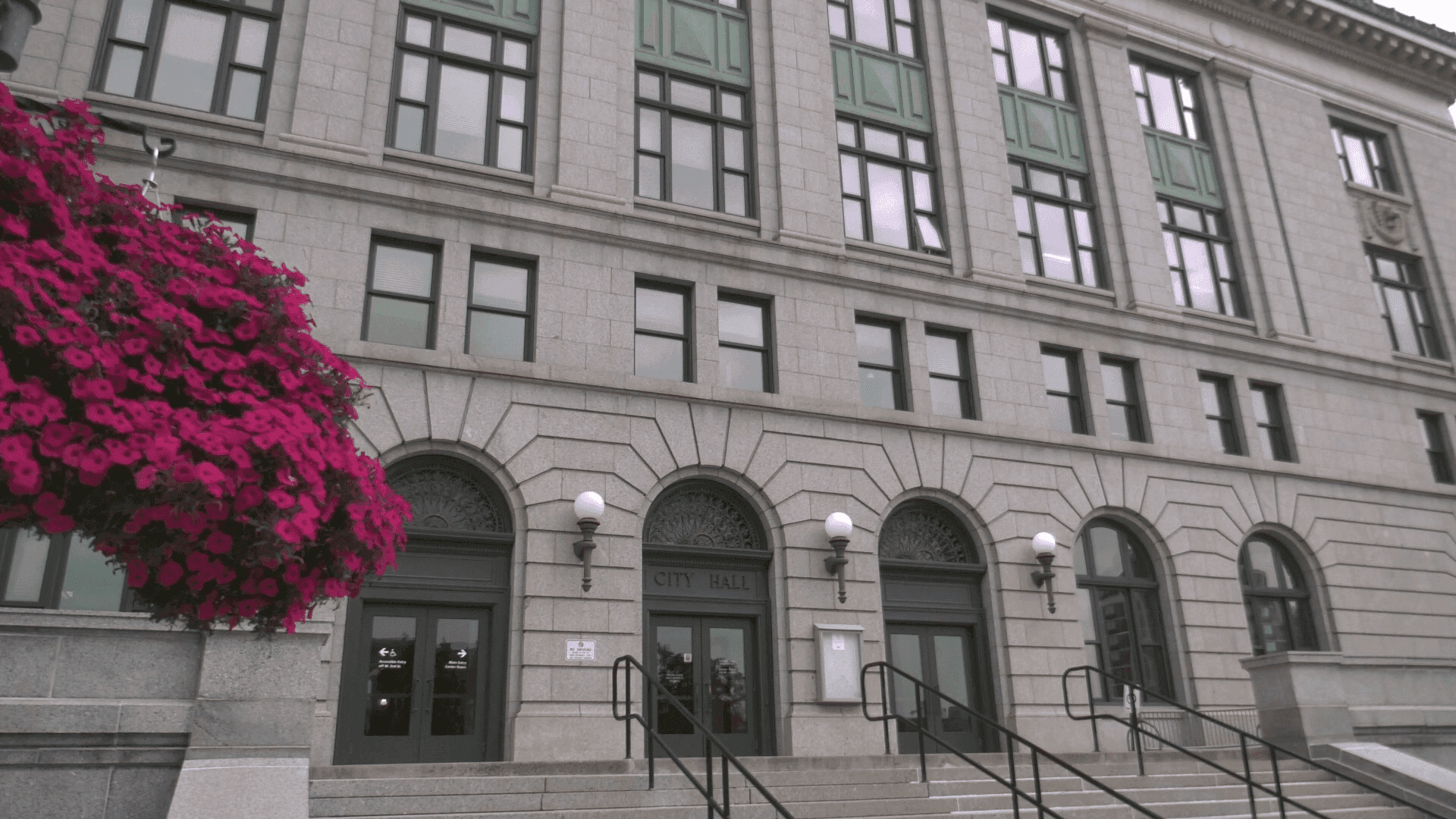
A coin flip sat at the end of Duluth’s replacement rules Monday, the last step if councilors could not agree on who should fill the vacant Second District seat. The City Council voted 8-0 to approve a process that starts with an Aug. 4 application deadline and moves through interviews before any final vote.
The vacancy opened after Mike Mayou said on June 12, 2025 that he would step down from the Duluth City Council at the end of June, tying the move to a change in his family’s housing situation and a new home in Duluth outside the district boundary. District 2 covers precincts 8 through 13, so the seat represents a defined slice of the city rather than an at-large constituency.

That matters in Duluth’s mayor-council system, where nine council members serve overall, five by district and four at large. When a district seat is empty, the residents in that district lose their direct vote on council business until a replacement is chosen.
The procedure approved by the council was the same one the city said it had used in prior vacancy appointments. Applicants had until 4 p.m. Aug. 4 to submit completed materials to the City Clerk’s office. Councilors were scheduled to interview candidates on Aug. 7 and then rank their top three choices by ballot.
The three highest-ranked candidates were then set for a second interview at 5 p.m. Aug. 11 at a special meeting, before the regular council meeting was pushed back to 6:30 p.m. that evening. If one candidate won a majority on the first ballot, that person would take the seat. If no one reached a majority after three rounds, the council would eliminate the lowest vote-getter and keep voting.
If the process still failed to produce a winner, the city said the final decision would come down to a coin flip. The fallback was designed to prevent the vacancy from lingering in a deadlock, but it also showed how fragile a selection process can become when a public body must restore full representation quickly and cannot break a tie through ordinary voting.
This article was produced by Prism’s automated news system from verified source data, official records, and press releases, then run through automated quality and moderation checks before publishing. The system is built and supervised by the people who set the standards it runs under. Read our full AI policy.
Did this article answer your question?