Duluth faces shortage of nearly 6,200 homes, worsening homelessness
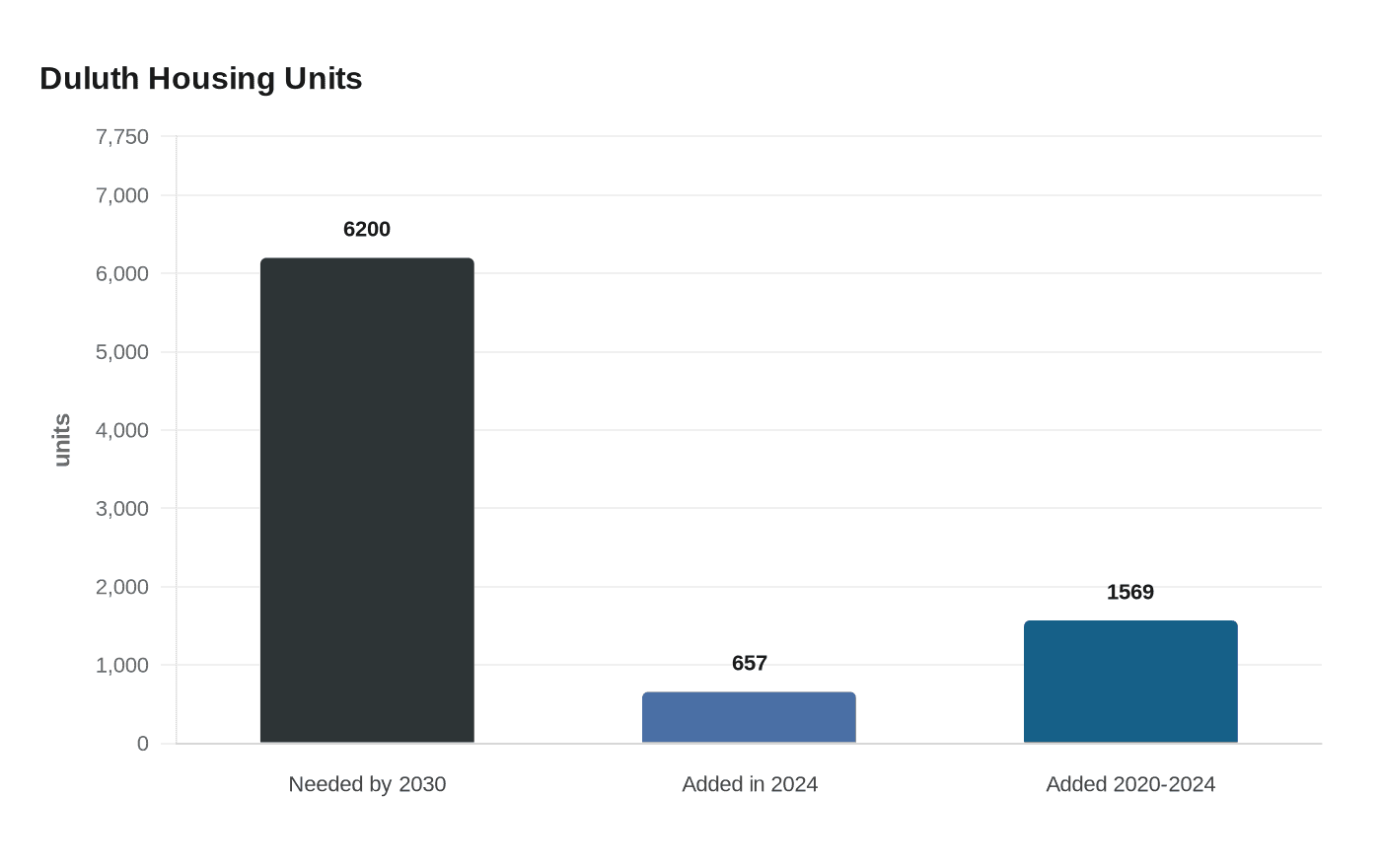
Duluth is short nearly 6,200 homes by 2030, and city planners say that gap is feeding homelessness, rent burden, and pressure on downtown services.

Duluth is short nearly 6,200 homes, and city planning materials say that gap is already pushing more people toward homelessness, unstable rent, and overtaxed local service providers.
The city’s 2024 Housing Indicator Report says a new 2025 housing study found Duluth will need nearly 6,200 new housing units by 2030 to meet projected demand. Duluth added 657 net housing units in 2024 and 1,569 net units from 2020 through 2024, but the report says the city still faces growing demand for attainable housing, housing for older residents, and a wider mix of options. City materials define households spending more than 30% of income on housing as cost-burdened, and more than 50% as severely rent-burdened.
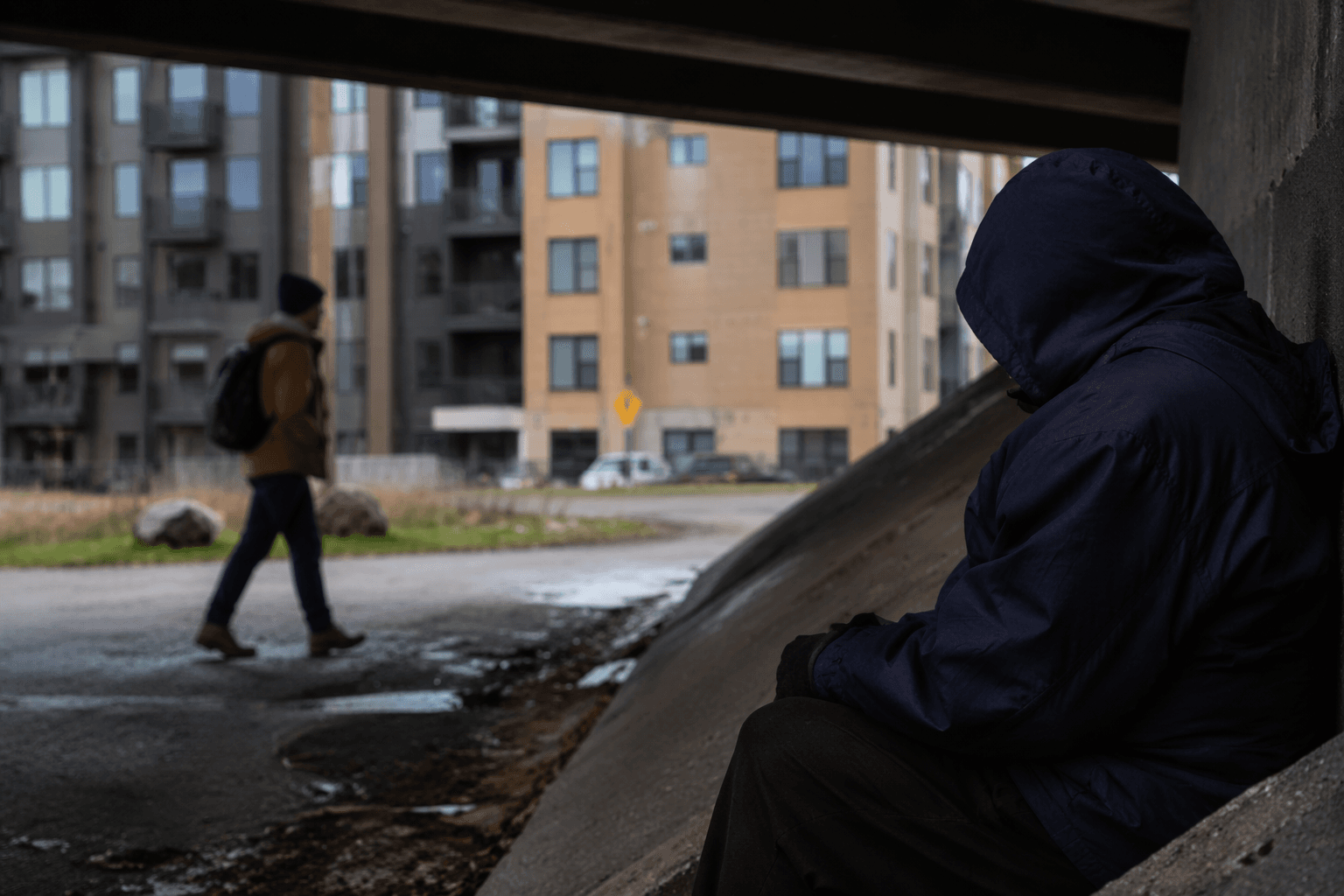
The shortage is showing up in Duluth’s homelessness numbers. The city’s materials say Duluth has the second-highest rate of homelessness in Minnesota. Across the state, Minnesota’s 2025 point-in-time count found 9,201 people experiencing homelessness on a single night in January 2024, the highest total ever recorded in that count. The count also showed unsheltered homelessness growing faster than sheltered homelessness, especially in Greater Minnesota. A separate 2023 Minnesota Homeless Study counted 10,522 people experiencing homelessness on a single night in Minnesota and said adults 55 and older were the only age group to increase since 2018.
Sen. Tina Smith visited Duluth on Tuesday to meet with local nonprofits working on the crisis, as agencies across the city try to keep people housed once they find a place. Chum, The Damiano Center and Union Gospel Mission have launched Pathway Forward, a three-phase effort that would add 40 permanent supportive housing units in its third phase and provide a year of support after someone is housed. The first phase focuses on planning, fundraising through donations and state funds, community input, and aligning programs and operations into 2027. The second phase centers on transition and expanding housing teams so people can stay securely housed.
Union Gospel Mission data show chronic homelessness in St. Louis County has increased by 157% over the past decade, underscoring how far the problem has outgrown the existing shelter-and-outreach system. Local providers say many households are living one illness, one missed paycheck or one rent increase away from emergency help. Without more housing and stronger follow-up support, the pressure on downtown Duluth, shelters and families will keep rising.
This article was produced by Prism’s automated news system from verified source data, official records, and press releases, then run through automated quality and moderation checks before publishing. The system is built and supervised by the people who set the standards it runs under. Read our full AI policy.
Did this article answer your question?