Duluth father rebuilds family ties after meth addiction through recovery work
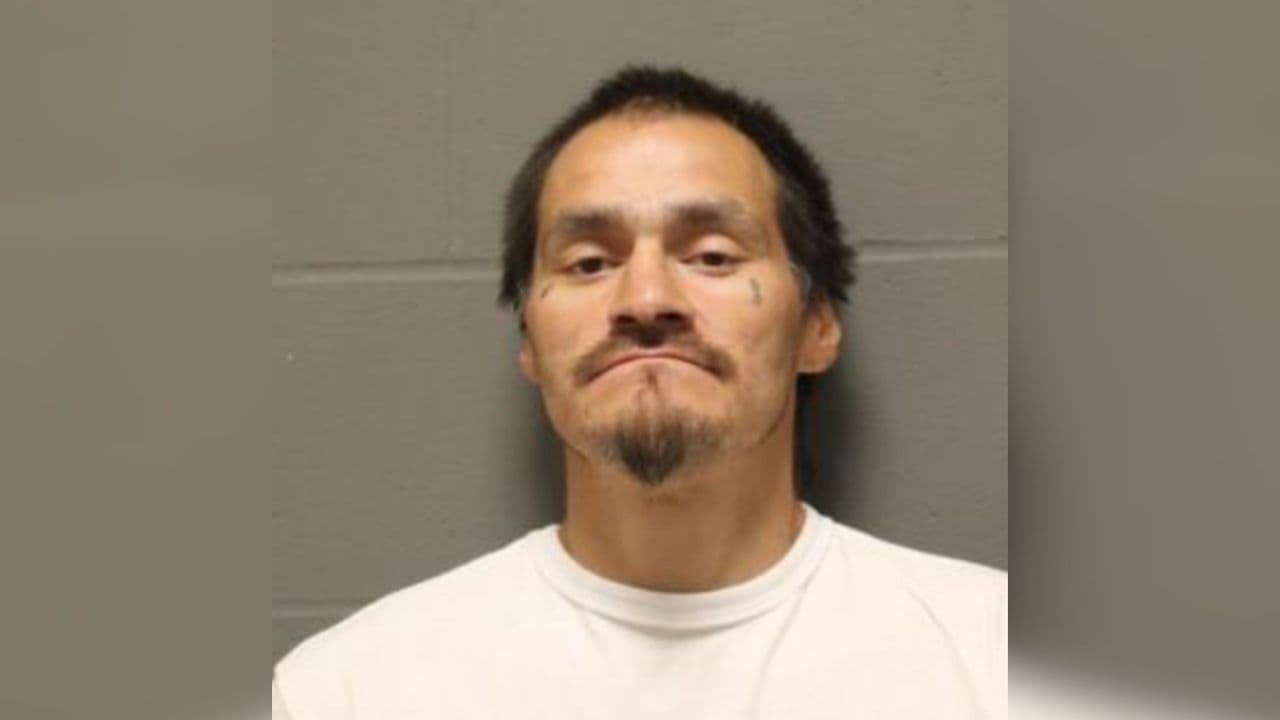
Scott Gerber lost access to his five children after meth addiction took hold. Now he works in Duluth helping other men rebuild the same trust.

Scott Gerber now clocks in at Minnesota Adult and Teen Challenge’s Duluth campus helping other men in recovery, a role that would have seemed out of reach when meth addiction began more than a decade ago and upended his life as a father of five. Gerber said he went from being a full-time dad to part-time, then eventually lost access to his children altogether after legal trouble took hold.
His path back has been slow and personal. With help from Teen Challenge, Gerber has rebuilt some of those relationships, turning a story of separation into one of accountability and repair. At the Duluth campus, he serves as a Client Care Specialist, putting him on the other side of the recovery process and giving him daily contact with men who are facing the same combination of addiction, shame and family damage he once lived through.
That matters in a city and county where addiction remains tied to housing instability, criminal justice involvement and the strain on families. Minnesota Adult and Teen Challenge says its mission is to help men, women and teens gain freedom from chemical addictions and other life-controlling problems by addressing physical, emotional and spiritual needs. In Duluth, the organization offers residential treatment and recovery options for adult men, along with telehealth outpatient options for both men and women. Most of its clients come from northern Minnesota, a reminder that the need stretches well beyond the city limits.
Local public-health agencies say the response has to be broader than treatment alone. St. Louis County Public Health says it uses community health assessments and other reports to track health concerns, while county behavioral-health services include substance use and recovery alongside adult mental health case management. The county’s substance use and recovery framework also recognizes that people with substance use disorders often need help with medical care, mental health, family issues, employment, housing, finances and criminal justice problems at the same time.

The scale of the challenge remains large. The Minnesota Department of Human Services says about 290,000 adults in Minnesota are estimated to be in need of treatment. At the same time, Minnesota Department of Health data for 2024 showed a significant decrease in overdose deaths from 2023, a sign that the broader crisis has eased even as demand for care remains high.
St. Louis County is also part of University of Minnesota Community-based Opioid Prevention and Education work that says traditional treatment programs alone are not enough for long-term recovery. Gerber’s story fits that larger picture: recovery in Duluth is not only about getting sober, but about work, housing, family reunification and the long effort to rebuild trust with children, spouses and communities.
This article was produced by Prism’s automated news system from verified source data, official records, and press releases, then run through automated quality and moderation checks before publishing. The system is built and supervised by the people who set the standards it runs under. Read our full AI policy.
Did this article answer your question?