Duluth group wins award for transportation barriers and health care access
ARDC won a regional transportation award for a project tying rural travel barriers to health care access. The recognition spotlights what St. Louis County residents still need next: clearer transit and medical-ride solutions.
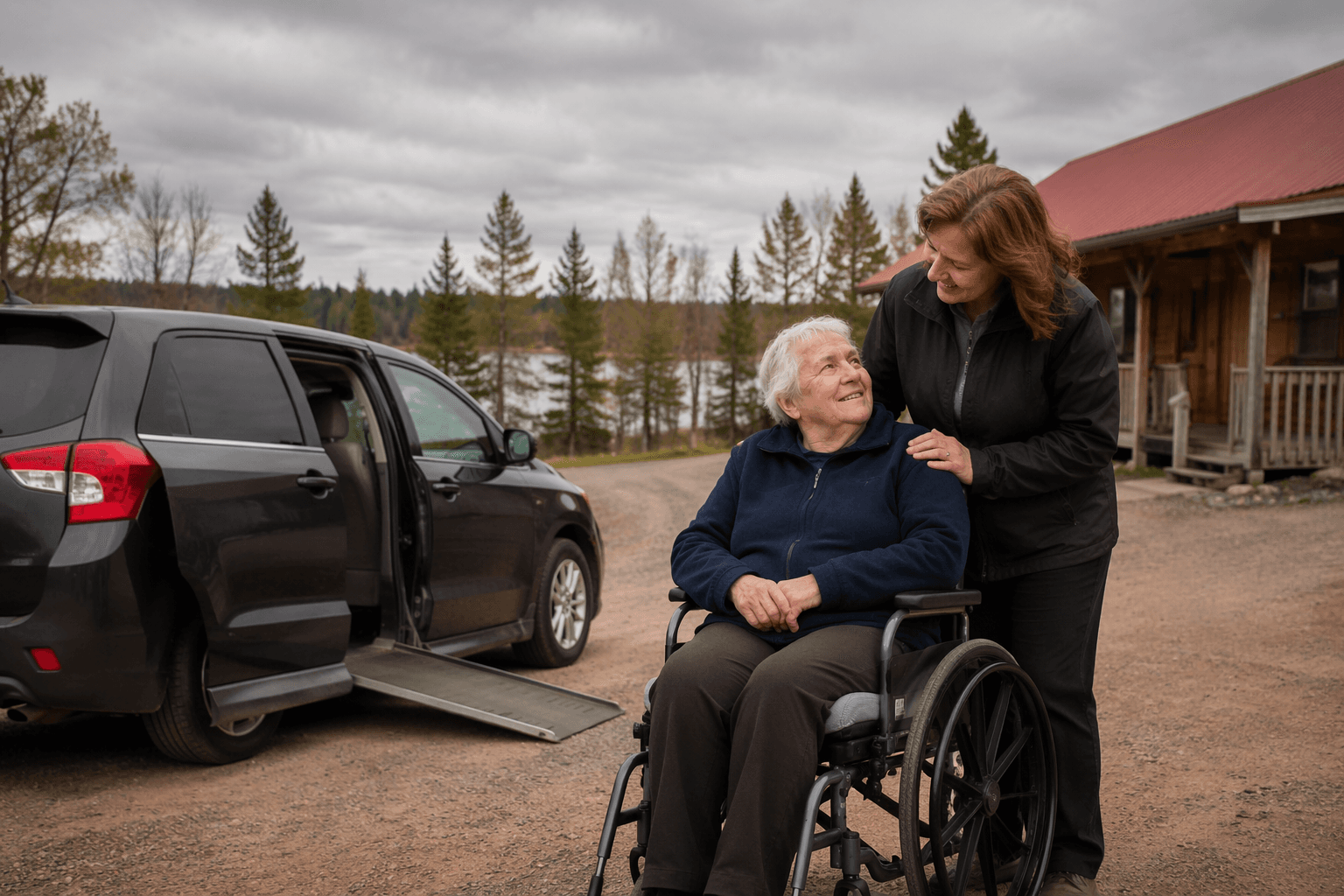
The Arrowhead Regional Development Commission won a 2026 regional transportation award for a project that treated travel barriers as a health care problem, not just a roads issue. For St. Louis County and the rest of the Arrowhead Region, the recognition puts a spotlight on whether planning work is translating into real access for people who must cross long distances to reach appointments, clinics and services.
The Duluth-based commission received the Excellence in Regional Transportation Award from the National Association of Development Organizations for its work with the University of Minnesota on the Empowering Small Minnesota Communities Program. The project, which began in 2025, used focus groups, data analysis, mapping and community storytelling to build planning tools around transportation barriers and health care access in northeastern Minnesota.
ARDC Principal Planner Beverly Sidlo-Tolliver said the work reflects a basic reality in a region where distance can determine whether someone gets care on time. Public transit providers and non-emergency medical transportation, she said, play a bigger role than many people realize. That point carries special weight in St. Louis County, where residents outside Duluth often face fewer transportation options and longer drives to reach appointments.
The award also gives ARDC a public measure of progress on a project that was already moving through its internal process this winter. Commission records from December 2025 said the ARDC Regional Transportation Coordinating Council had begun working with the University of Minnesota through ESMC to collect data on economic loss tied to transportation barriers. January materials referenced a $3,000 memorandum of understanding in process, and February minutes said planning staff were working closely with the university to provide contextual transportation information during qualitative data gathering.
ARDC, created in 1968 to foster economic growth, serves the seven-county Arrowhead Region, including Aitkin, Carlton, Cook, Itasca, Koochiching, Lake and St. Louis counties. The University of Minnesota program at the center of the project was established by the Minnesota Legislature in 2023 and renewed in 2025, with work involving the Center for Transportation Studies, UMN Extension, the Minnesota Design Center, the Humphrey School of Public Affairs and the Center for Urban and Regional Affairs.

NADO’s transportation award recognizes planning, programming and service delivery in rural and small metropolitan areas. In this case, the significance runs beyond a plaque in Duluth: it points to whether regional planners can turn data and resident testimony into better mobility for older adults, rural patients and anyone who depends on a ride to get care. The next test is whether that planning produces concrete improvements people can see on the ground.
This article was produced by Prism’s automated news system from verified source data, official records, and press releases, then run through automated quality and moderation checks before publishing. The system is built and supervised by the people who set the standards it runs under. Read our full AI policy.
Did this article answer your question?