Duluth hosts Torch Run for Special Olympics, uniting law enforcement supporters
Duluth’s Torch Run linked Park Point to City Hall, with law enforcement backing a movement that has raised more than $58 million in Minnesota.
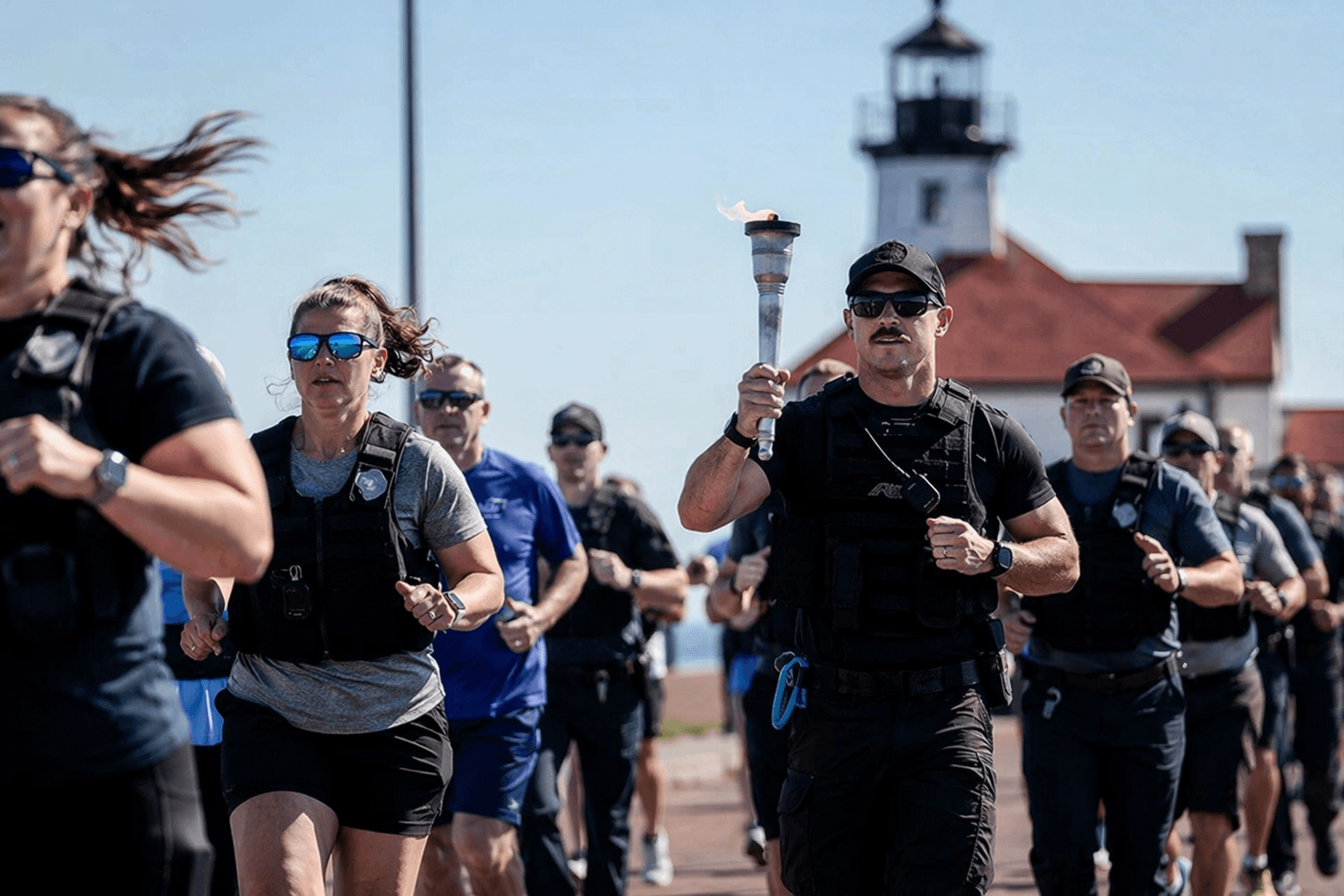
Duluth’s Park Point-to-City Hall Torch Run turned a June 16 stop into a reminder that Special Olympics relies on more than ceremony. It relies on police departments, sheriff’s offices and volunteers who help raise money, visibility and belonging for athletes with intellectual disabilities.
The local leg was part of the Law Enforcement Torch Run for the 2026 Special Olympics USA Games, scheduled for June 20-26 across Minnesota’s Twin Cities. More than 3,000 athletes will compete in 16 sports, and organizers said this year’s final leg is the first coast-to-coast route in USA Games history.
The Torch Run itself dates to June 5, 1981, when Wichita Police Chief Richard LaMunyon backed the first run in Wichita, Kansas, with six original runners. Special Olympics says the program has since raised more than $1 billion worldwide, making it the largest public awareness and grassroots fundraising vehicle for local Special Olympics programs.
In Minnesota, the impact is easy to measure. Special Olympics Minnesota says law enforcement agencies in the state have raised more than $58 million for its programs and carry the Flame of Hope a combined 925 miles each year through communities statewide, usually building toward the Summer Games.
Duluth Police Chief Mike Ceynowa called the Torch Run a major grassroots fundraiser and awareness effort for Special Olympics, underscoring why agencies put officers on the route as well as in the crowd. St. Louis County Sheriff Gordon Ramsay said he remembered the first Duluth torch run in 1991, when he was an intern. Ramsay has been a law enforcement officer since 1993 and now leads an agency with about 290 staff members.
Mayor Roger Reinert also highlighted the role of volunteers, law enforcement officers, families and community members who lined the route from Park Point to City Hall. That kind of turnout matters because the Torch Run is not only a relay. It is one of the main ways local agencies help fund travel, training and competition opportunities that many families could not afford on their own.
Dave Persons, a longtime ambassador for the movement, said it has helped him build lasting friendships and find communities that encourage athletes every day. For Duluth, the stop tied a Northland tradition to a statewide moment and put the focus where organizers wanted it, on athletes and the support system that keeps them in the Games.
This article was produced by Prism’s automated news system from verified source data, official records, and press releases, then run through automated quality and moderation checks before publishing. The system is built and supervised by the people who set the standards it runs under. Read our full AI policy.
Did this article answer your question?