Duluth leaders explore placemaking to boost downtown vitality
Duluth’s downtown reset is being measured against emptier storefronts, safer streets and a goal of 1,500 more residents by 2030.
Duluth is putting placemaking under the microscope as leaders try to answer a basic downtown question: how do you fill empty storefronts, pull people back to the street and make the city core feel safer without waiting for one big project to do it?
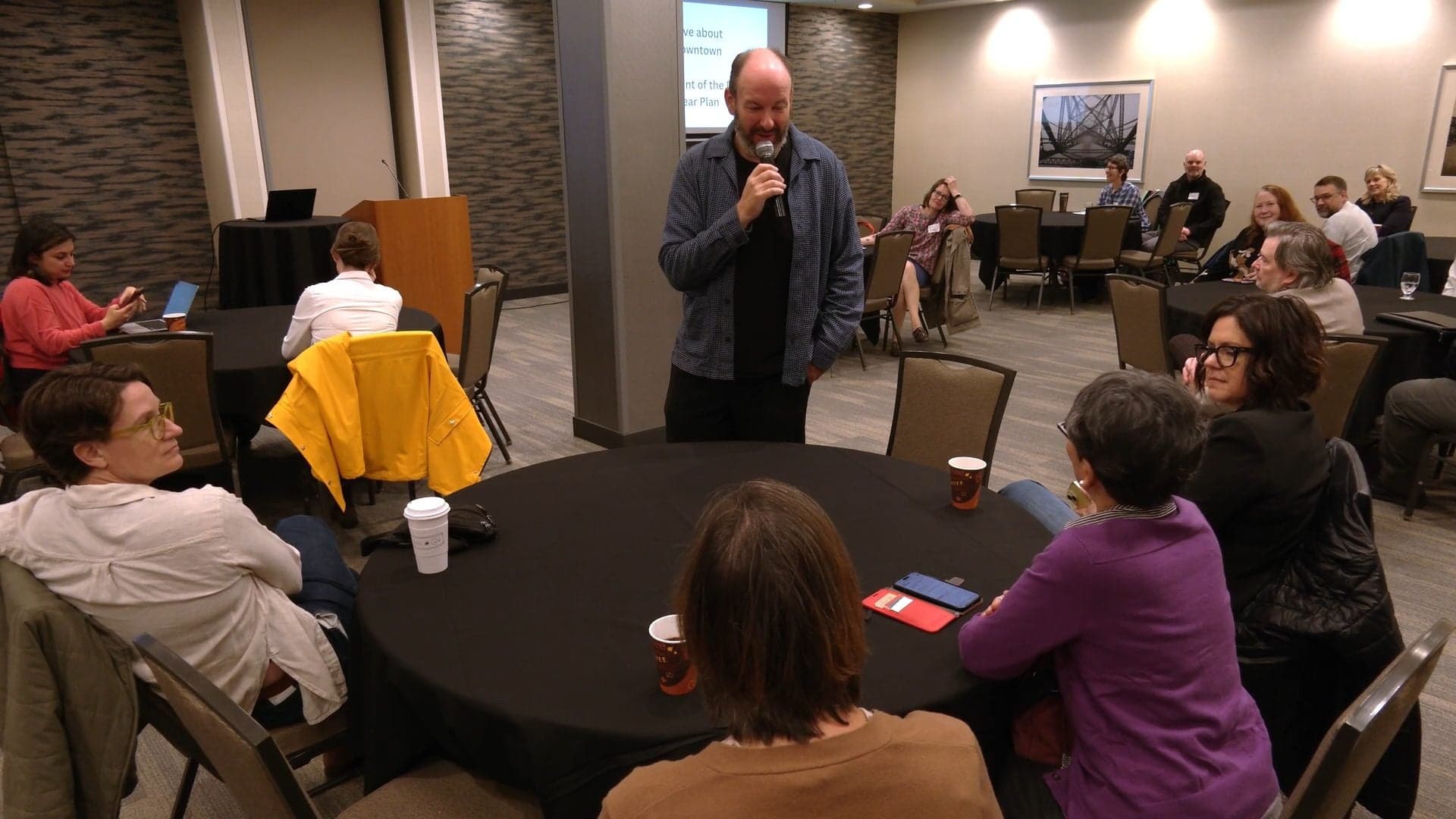
That question framed a downtown workshop at Zeitgeist that brought together University of Minnesota Duluth leaders, local community members and national specialists in community building, revitalization and public-space design. Among the guests were Ryan Smolar, director of Placemaking US, and Lili Razi, a project manager at Mural Arts Philadelphia, whose work has centered on architecture, urban design, community development and public art. Their message was that streets, markets and shared spaces can shape identity and neighborhood vitality, but only if residents and businesses help activate them.
Smolar told the audience that placemaking is not just something experts do for a city. He said the goal is to empower communities to create events, enjoy their streets and make spaces safer and more enjoyable for walking and biking. He also argued that people should not wait for government alone to produce change. In practical terms, that means more than concepts and renderings. It means more programming, more reasons to be downtown after work and more daily use of the public spaces people already have.
The stakes are high in a downtown that has been trying for years to reverse post-COVID stagnation. Downtown Duluth describes its waterfront district as a 90-block area, and its Imagine Downtown plan lays out a five-year action strategy meant to make the district safer, livelier and more inclusive by 2030. The plan includes six Downtown Focus Areas and several catalytic projects, and it says hundreds of voices helped shape the work. A related plan summary says 1,529 survey responses informed the effort.
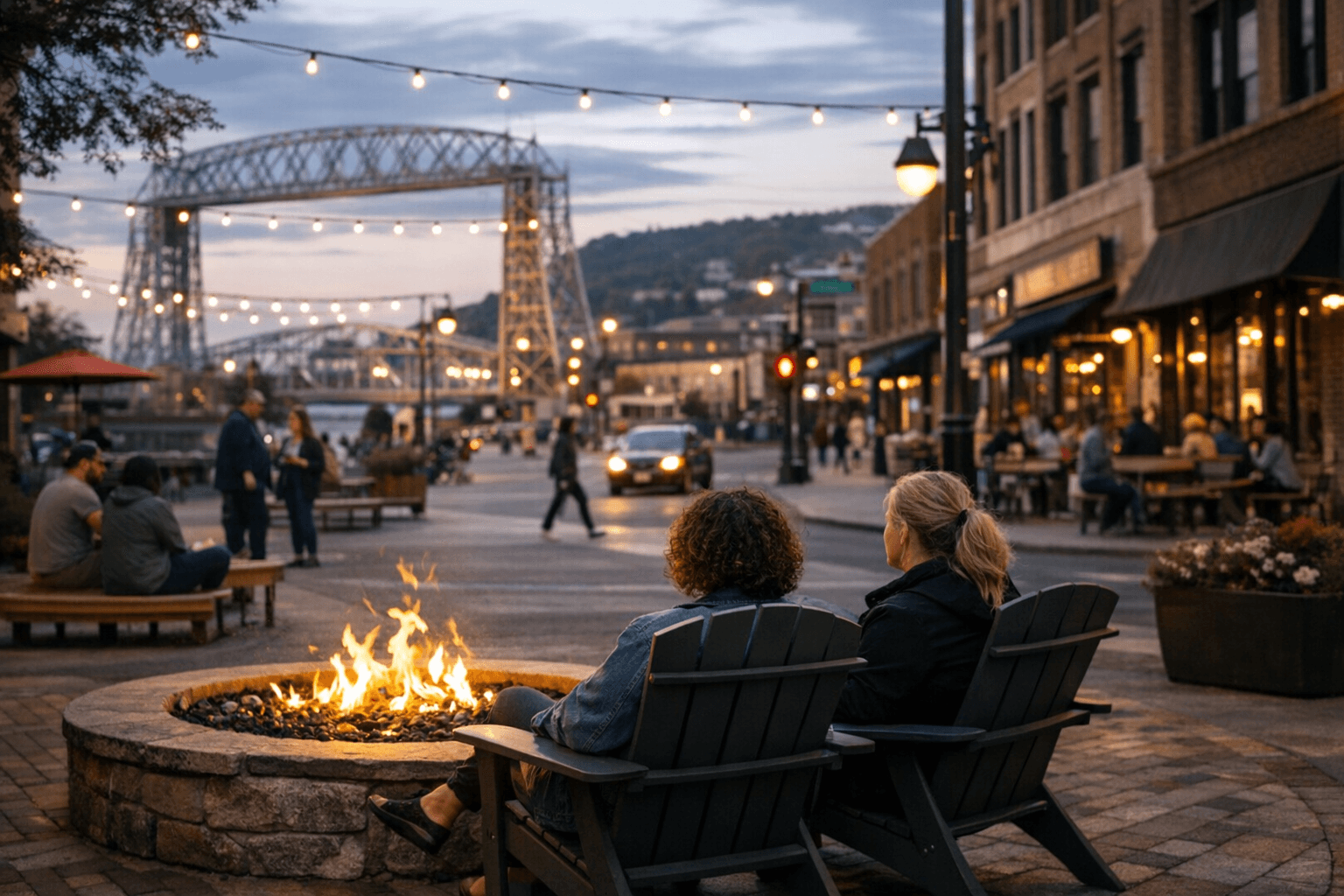
Mayor Roger Reinert put a sharper point on the city’s downtown push at Downtown Duluth’s annual dinner on February 4, 2026, telling more than 600 people that downtowns are the city’s “front door, economic engine, and the shared living room.” The city has also said downtown revitalization is one of its five strategic goals. At that dinner, officials pointed to progress on razing the blighted Pastoret Terrace building, deconstructing the long-vacant Shopper’s Auto Ramp, and moving ahead with zoning changes and an Alternative Urban Areawide Review meant to encourage reinvestment.
The housing numbers show why the city is pressing so hard. A Maxfield housing study tied to Duluth’s downtown strategy found demand for 9,000 new housing units, while two downtown projects were expected to add 600 residents, nearly halfway to Reinert’s goal of adding 1,500 downtown residents. Before COVID, about 18,000 workers came downtown each day, and officials have said many have not returned. The city’s 70-year-old skywalk system is also under review, with consultants finding high vacancy and security concerns. The placemaking test, in the end, is whether more of downtown life shifts back to Superior Street, 1st Street and the street level where residents actually move, shop and gather.
This article was produced by Prism’s automated news system from verified source data, official records, and press releases, then run through automated quality and moderation checks before publishing. The system is built and supervised by the people who set the standards it runs under. Read our full AI policy.
Did this article answer your question?