Duluth moves ahead with downtown housing plan and office conversions
Duluth's downtown plan centers on housing, office-to-apartment conversions and a fast-track environmental review as leaders push for visible changes.
The Duluth City Council tabled the Downtown Development Strategy for further review on May 26, 2026, even as city leaders kept moving on a short-term plan meant to turn years of downtown ideas into actual projects. The strategy has four main goals: build housing, focus investment in priority areas, increase and connect open spaces, and activate downtown.
A proactive environmental review is listed as a short-term quick win. Minnesota review tools include environmental assessment worksheets, environmental impact statements and alternative urbanareawide reviews. An AUAR can help phased development over several years and is updated every five years.
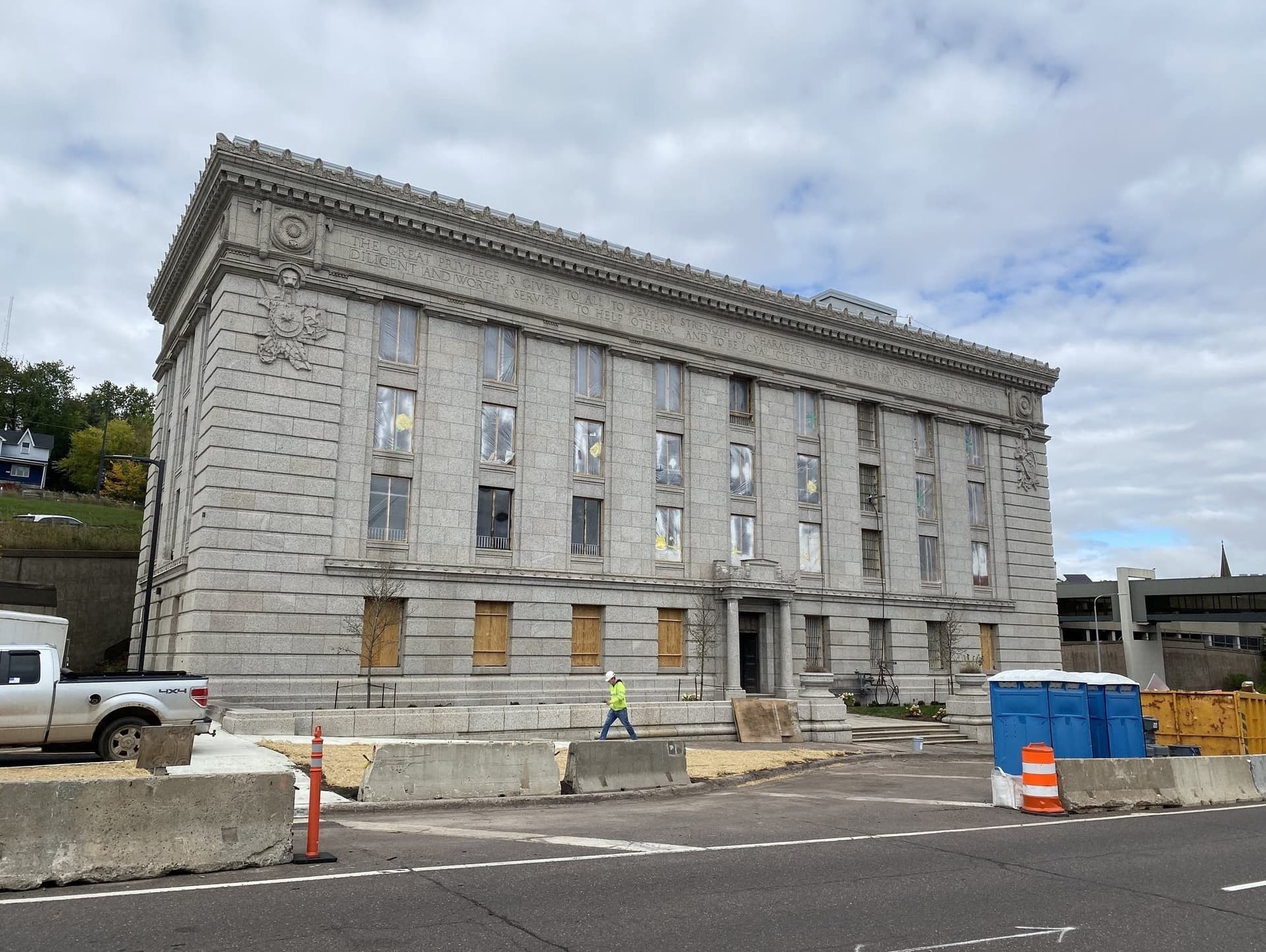
City leaders want to remove barriers for developers and bring more people into buildings that are underused or vacant, especially offices downtown. The city has already completed a nine-month environmental review, which could eliminate one of the biggest regulatory hurdles for future redevelopment. Titanium Partners planned to convert the Ordean Building from office space to apartments, first in 2023 as an investment of more than $8 million for 35 to 37 units and later in March 2025 as a $6 million conversion for 30 studio and two-bedroom apartments.

Before the pandemic, about 18,000 people worked downtown Duluth each day. In 2025, officials estimated only about 50% to 60% had returned, and downtown office vacancy was 21% in 2023. Two redevelopment projects were expected to add about 600 residents downtown, nearly halfway to Mayor Roger Reinert’s goal of increasing the downtown population by 1,500. Reinert wants more mid-market ownership options downtown, including condos.
City leaders want to plan for non-motorized transportation on First Street, replant trees along the corridor, add amenities that improve neighborhood life and prioritize development funding and incentives on the street. Connections among Priley Circle, the plazas at Lake Avenue and Superior Street, Central Hillside Park and the Lakewalk are included, and new development should incorporate or contribute to public greenspace. It also lays out short-term, mid-term, long-term, ongoing and 5-plus-year buckets, with funding expected from city, Duluth Economic Development Authority, state, federal and local sources.

Public reaction at the May 26 meeting was split, with some residents supporting the framework as a roadmap for investment and at least one speaker warning it could become a profit-driven Trojan horse rather than a commitment to housing for residents.
This article was produced by Prism’s automated news system from verified source data, official records, and press releases, then run through automated quality and moderation checks before publishing. The system is built and supervised by the people who set the standards it runs under. Read our full AI policy.
Did this article answer your question?