Duluth offers growth grants to boost First Street redevelopment
Duluth is putting up to $500 behind cleaner facades, planters and storefront upgrades on First Street, betting small changes will draw more foot traffic.
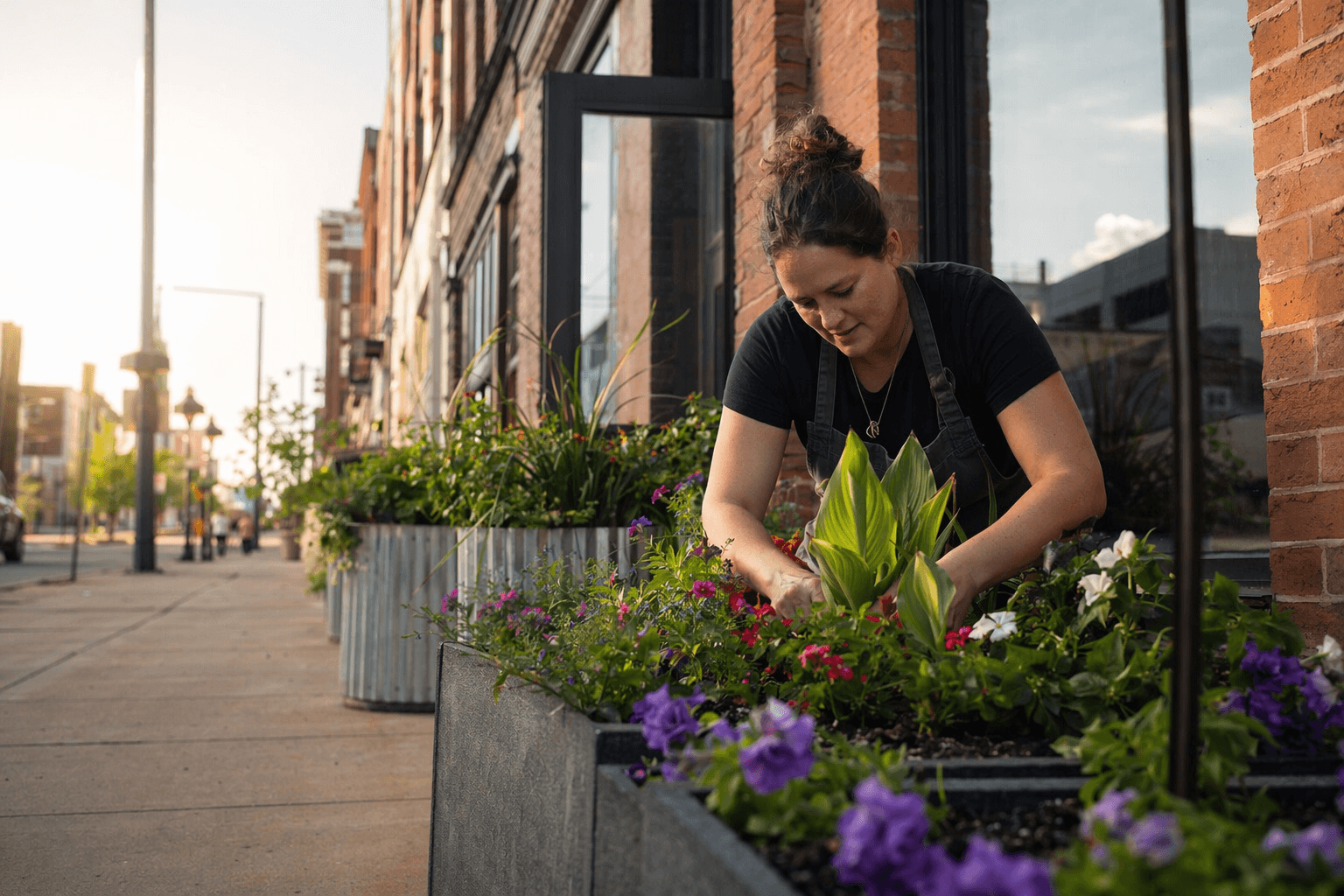
Storefronts on First Street could start looking different fast: cleaner walls, fresh paint, brighter windows and a few more reasons for pedestrians to stop. Duluth’s new First Street Growth grants are designed to push visible change onto the corridor between Fourth Avenue W and Fourth Avenue E, with awards of up to $500 for eligible property owners and businesses.
The City of Duluth announced the program on May 4, 2026, through the Duluth Economic Development Authority and in partnership with Boreal Waters Community Foundation. Eligibility is limited to addresses on First Street, alley to alley, and includes building owners and businesses with a valid lease in the corridor. Applicants must show proof of ownership or a valid lease agreement and provide estimates for how the money will be spent.
The application form makes clear that the city wants immediate street-level improvements, not just long-range planning language. Eligible uses include exterior cleaning such as graffiti removal, exterior painting, planters and flowers, street furniture and seating, A-frame or portable signs, window displays, decorative lighting, and busker or live-artist programming. Food service businesses can also seek help for outside service counters or food carts, while pet-friendly features like water or shade are also listed.
That mix points to the city’s core bet: a more inviting block can translate into more foot traffic, stronger storefront visibility and a better chance for smaller businesses to hold their ground while larger redevelopment efforts are still being assembled. Tricia Hobbs, the DEDA executive director, has described the immediate focus as placemaking and activation, part of a broader effort to make First Street feel more welcoming and more connected to the rest of downtown.
The grants are only one piece of a larger downtown strategy. City planning materials show Duluth is also moving ahead with zoning changes meant to make reuse of existing downtown buildings easier and more flexible for housing and commercial uses, along with an Alternative Urban Areawide Review to clear the way for future development. In March 2026, Hobbs presented the city’s economic development priorities to the Duluth Planning Commission, including tax base growth, building balanced neighborhoods and downtown revitalization.
For First Street, that means the measure of success is likely to be visible before it is transformative: fewer blank or neglected facades, more active storefronts and a corridor that looks more worth walking. City leaders are treating those small changes as the first down payment on a larger downtown comeback.
Know something we missed? Have a correction or additional information?
Submit a Tip