Duluth port earns top environmental score in Green Marine report
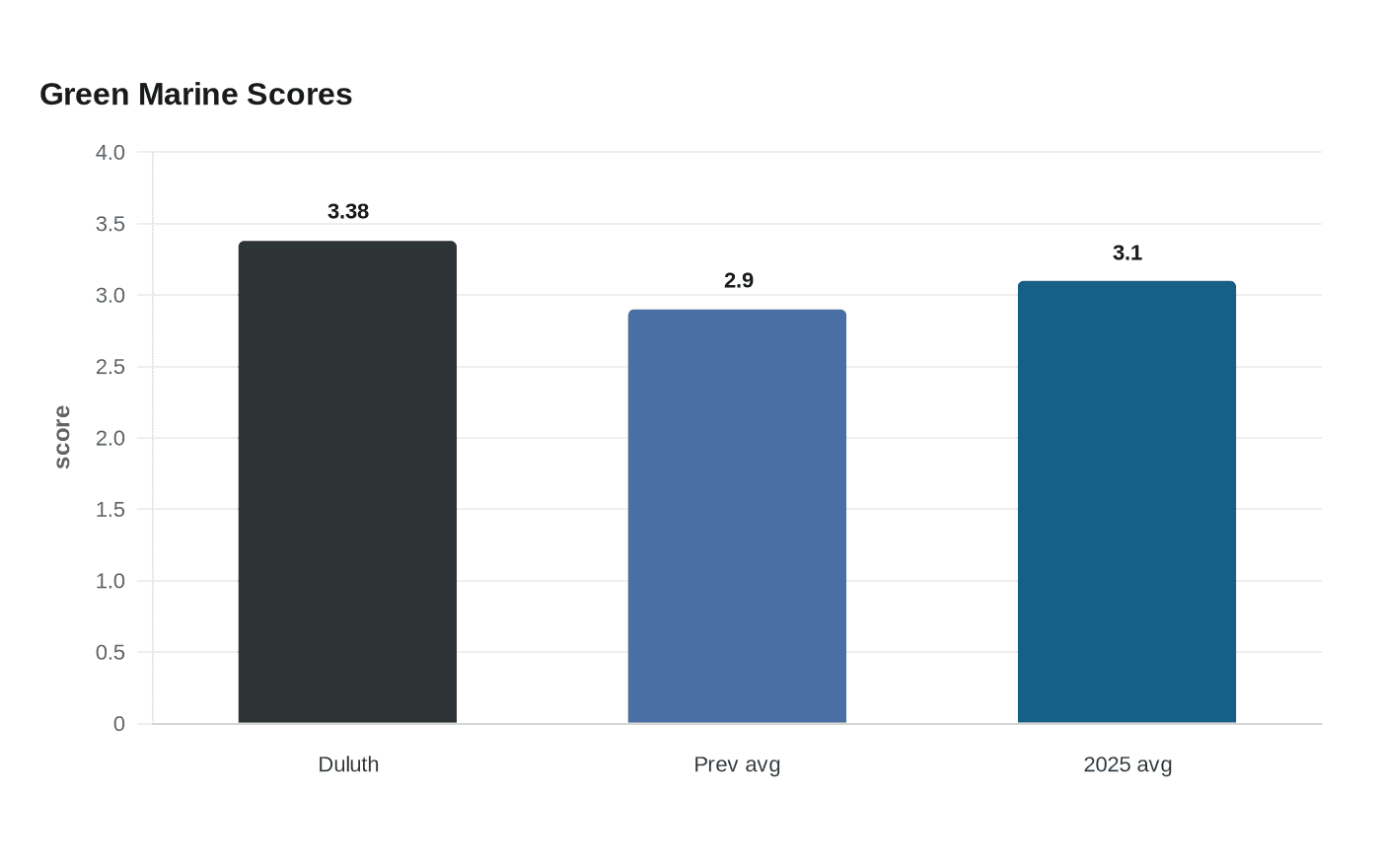
Duluth’s port scored 3.38 in Green Marine’s new report, the highest among U.S. Great Lakes ports, as it tries to win freight, investment and jobs.
Duluth’s port turned in its strongest environmental showing yet, posting a 3.38 score in Green Marine’s 2025 performance report and landing at the top among U.S. Great Lakes ports. The result gives the Duluth Seaway Port Authority a competitive talking point as it courts shipping customers, future cargo investment and cleaner industrial growth along Rice’s Point.
Green Marine rates ports, terminals, Seaway corporations, ship owners and shipyards across North America on a five-level scale that runs from regulatory monitoring to excellence and leadership. The Duluth score was not only the highest among U.S. Great Lakes ports, but also one of the best in the Great Lakes-St. Lawrence Seaway System, and it marked a 4% improvement from 2024 even as Green Marine tightened its standards and expanded reporting requirements. Across the program, the overall participant average climbed from 2.9 to 3.1, rising above level 3 for the first time since 2017.
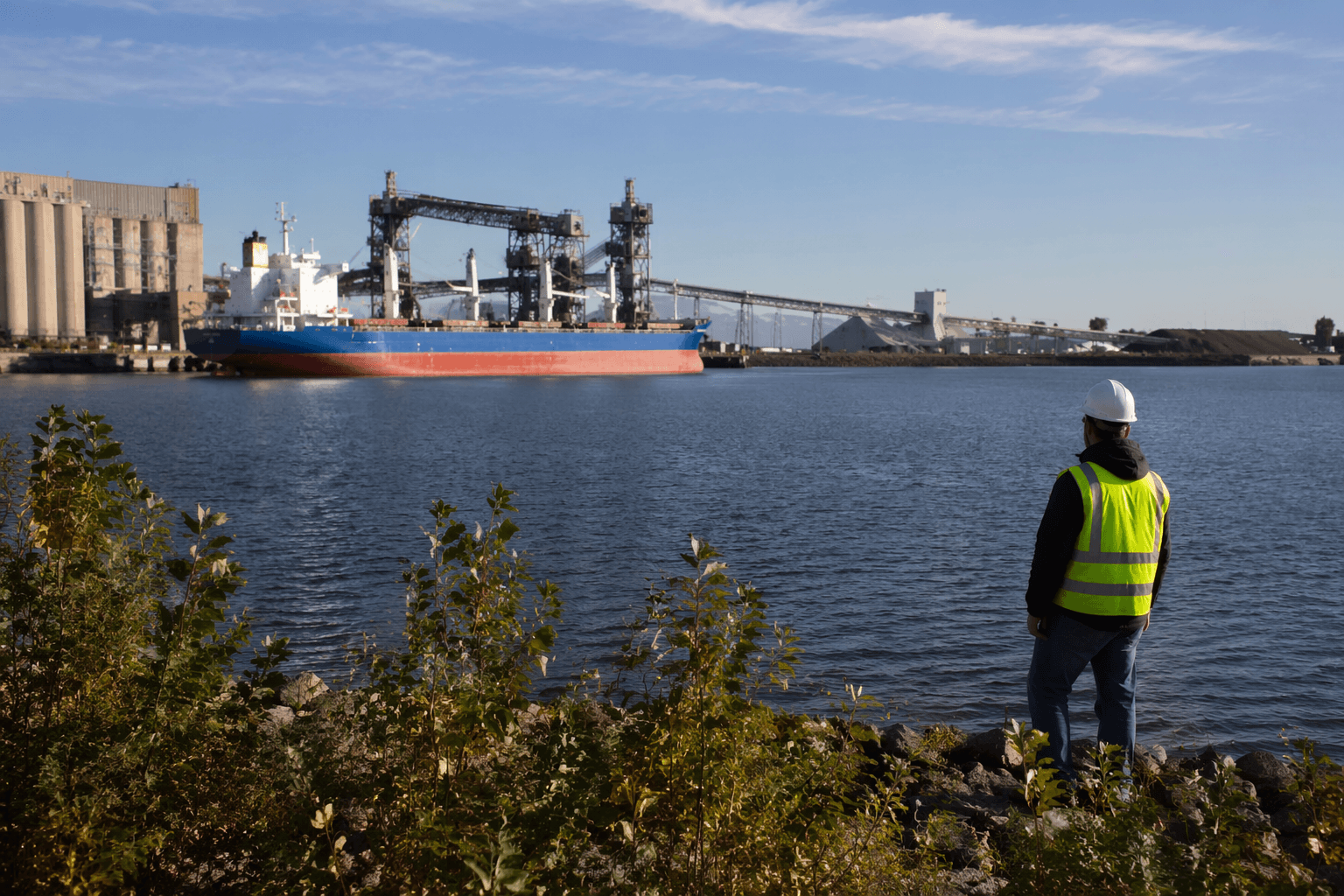
The Port Authority said it has participated in Green Marine since the program began in 2007, and its latest result fits into a longer climate strategy. In 2024, the agency adopted a climate action plan aimed at net-zero operating emissions by 2050, with work centered on the Clure Public Marine Terminal and the Duluth Lake Port.
At Clure, the sustainability playbook has been concrete: energy-efficiency upgrades, increased renewable energy use, phased adoption of zero-emission vehicles and equipment, and ongoing environmental monitoring. That matters beyond environmental branding. For shippers deciding where to route freight, a stronger environmental profile can make Duluth more attractive against rival Great Lakes ports that are also chasing cargo, infrastructure dollars and industrial tenants.
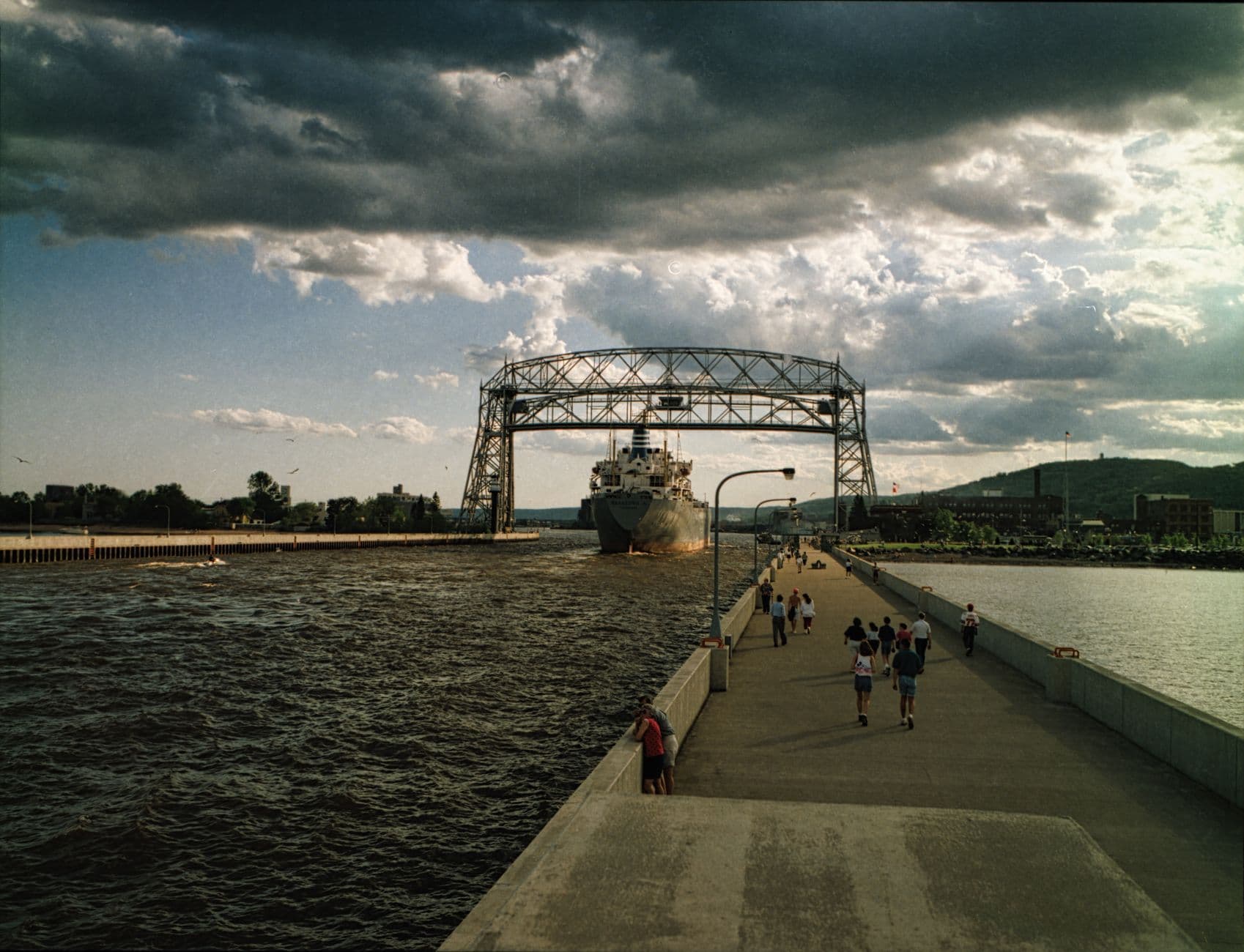
The terminal’s renewable-energy record already gives the port a business case. The first wind-energy shipment arrived there in April 2005. By 2011, cumulative wind cargo had topped 1 million freight tons, and in 2020 Duluth Cargo Connect handled a single-season record 525,000 freight tons. Total wind-energy cargo through the terminal has now exceeded 2.6 million freight tons, making Duluth a leading midcontinent logistics hub for renewable-energy components.
That momentum could grow if the port can turn the ranking and its infrastructure pipeline into more business. On April 28, 2026, the U.S. Maritime Administration awarded the Duluth Seaway Port Authority $27.5 million for the Duluth Lake Port pier redevelopment project, the largest award in the port’s history. The project will rebuild a strategic 7.5-acre Rice’s Point pier for future cargo use, tying the port’s environmental score directly to its pitch for the next generation of freight, investment and jobs.
This article was produced by Prism’s automated news system from verified source data, official records, and press releases, then run through automated quality and moderation checks before publishing. The system is built and supervised by the people who set the standards it runs under. Read our full AI policy.
Know something we missed? Have a correction or additional information?
Submit a Tip