Duluth proposes zoning changes to boost housing, modernize development rules
Duluth's zoning rewrite could mean taller buildings, more townhouses and smaller lot setbacks, with pressure likely to land from the Heights to the canal area.

Duluth is preparing zoning changes that could let more homes rise in places now constrained by tighter lot widths, setbacks and height limits, a rewrite that would reach neighborhoods from the Heights to the canal area if approved.
The proposal would eliminate creation of new Residential-Planned and Mixed Use-Planned districts, remove the Higher Ed Overlay district and simplify building design standards in the former Form Districts, which would be renamed Main Street Districts. City staff are also proposing higher residential height maximums, simpler height rules, smaller lot widths and setbacks in many districts, and more housing types in R-1 and R-2 neighborhoods.
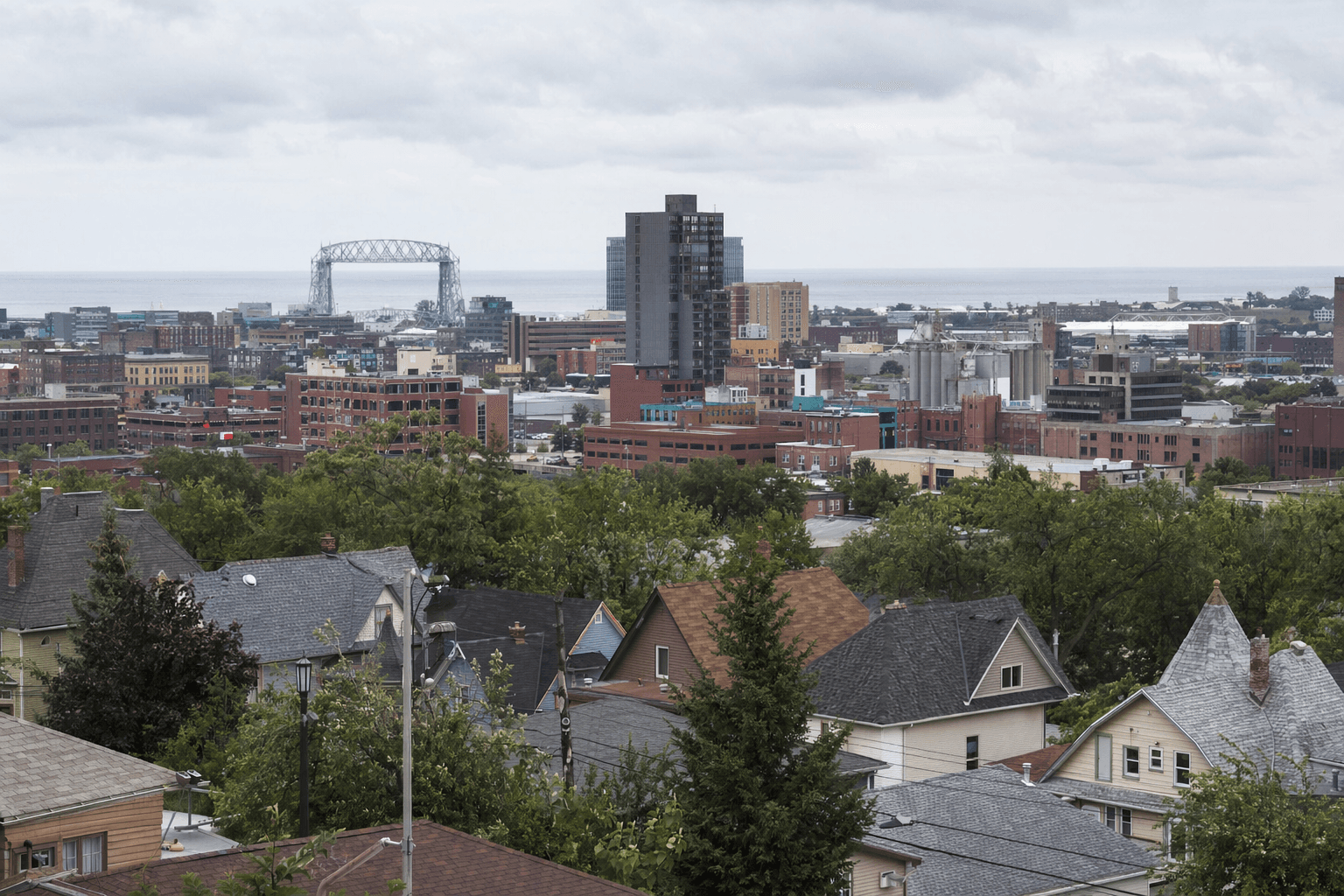
Those changes matter because they could alter what gets built on ordinary blocks, not just on big redevelopment sites. Townhouses would be allowed in MU-C, MU-I and all Main Street districts, and some townhouse design standards would be removed, giving developers more room to build attached homes in places that now may not support them. The city is also revising connectivity rules, replacing the old connectivity index with specific locations where pedestrian and bicycle connections are needed, while updating sustainability standards to reflect newer best practices.
The push comes after the Duluth City Council passed Resolution 25-0520R on June 16, 2025, supporting comprehensive zoning and code modernization to increase housing supply across all income levels. The city says its zoning code lives in the Unified Development Chapter, and planning staff have been compiling recommendations to improve development efficiency, support more housing and provide clarity.
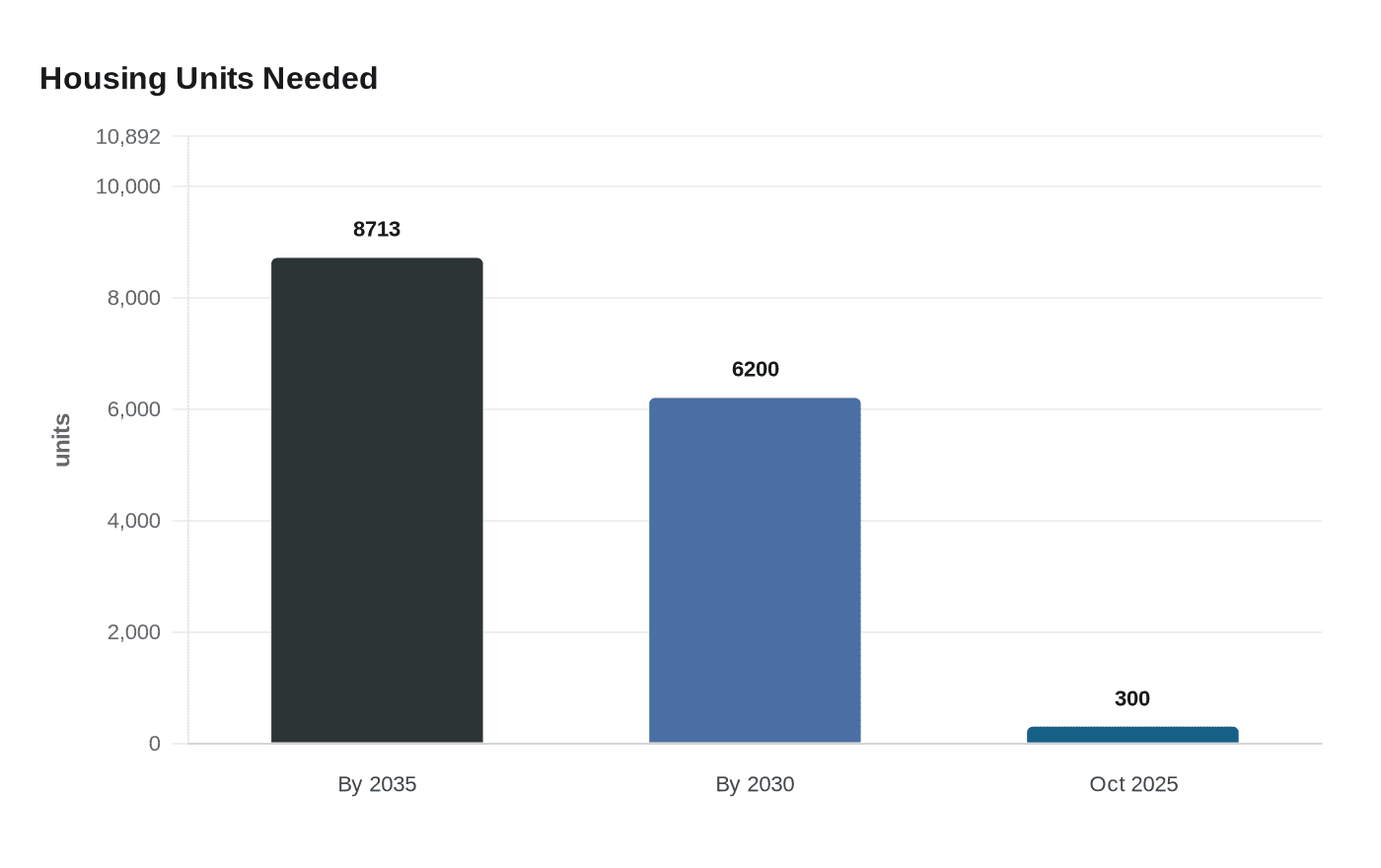
Duluth has tied the rewrite to a bigger housing picture. A 2025 housing study by Maxfield Research & Consulting found demand for an estimated 8,713 new housing units in Duluth by 2035, with especially strong need for moderately priced ownership and rental housing, along with senior and older-adult housing. A separate city housing indicator report said Duluth will need nearly 6,200 new units by 2030 to meet projected demand. In October 2025, city staff said at least 300 new housing units were expected to come online over the next six months.
Imagine Duluth 2035, the city’s comprehensive land use plan adopted in 2018, remains the policy foundation for those decisions. The Duluth Planning Commission, which advises the City Council on rezoning, special use permits and community development policies, is set to take up the proposal at a public hearing on Tuesday, May 12, 2026, at 5 p.m. in City Hall’s Council Chambers.
If adopted, the changes could reshape where Duluth grows, how quickly projects move and what kind of homes fit into established neighborhoods. For residents watching redevelopment pressure, the clearest question is whether the city is opening the door wide enough to ease housing shortages without changing the character of the blocks people already call home.
This article was produced by Prism’s automated news system from verified source data, official records, and press releases, then run through automated quality and moderation checks before publishing. The system is built and supervised by the people who set the standards it runs under. Read our full AI policy.
Did this article answer your question?