Duluth session explains Minnesota cannabis rules, market changes and health concerns
Duluth's cannabis session laid out who can sell what, when new licenses arrive and why hemp retailers face a November 2026 deadline.

Minnesota’s cannabis rollout is no longer a faraway policy fight. In Duluth, state regulators spent a June 5 listening session answering the questions that now matter to St. Louis County residents, CBD sellers and would-be cannabis operators: what is legal, who can sell it, and how much of the market is still in flux.
What the Duluth session was meant to explain
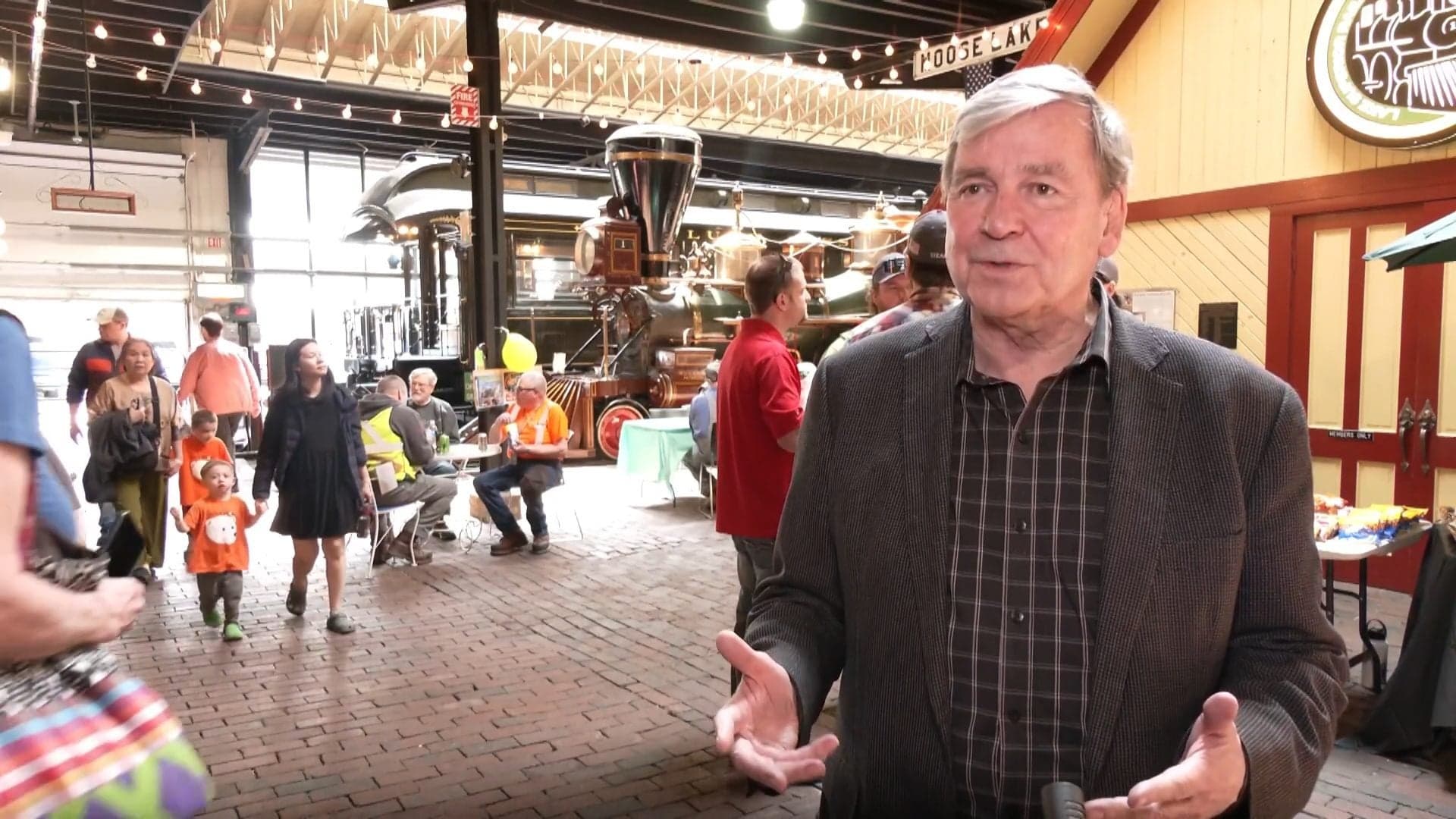
The Minnesota Office of Cannabis Management used the Duluth stop on its 2026 listening tour to give the public an overview of its work, explain how it regulates the cannabis industry and take questions from residents and businesses. The session ran from 3 to 4:15 p.m. at Lake Superior University, with OCM staff and executive director Eric Taubel available for Q&A.
Duluth was not an isolated stop. The tour had already included a March visit to Pine County and Duluth, along with meetings with Pine County officials, members of the Fond du Lac Band of Lake Superior Chippewa and retail dispensaries in Cloquet and Duluth. OCM says the tour will later include stops in Mankato, St. Cloud and the Twin Cities in the autumn, which shows how deliberately the state is trying to explain the rules before the market hardens into habit.
For local readers, that matters because cannabis policy is still being written in real time through rulemaking, licensing and supply-chain decisions. The listening sessions are less about celebration than about lowering the chance that retailers, patients and consumers misunderstand what Minnesota allows right now.
The basic rule gap residents still need to understand
Minnesota legalized adult-use cannabis in 2023, becoming the 23rd state to do so, and adults 21 and older have been allowed since Aug. 1, 2023, to possess, transport and use limited amounts of cannabis. That is the first part of the story, but not the whole thing.
The harder part is that legalization did not instantly create a full retail system. Minnesota still has to build out licensed commerce while keeping its medical-cannabis program functional, and state officials have said that medical access needs to be easier for patients to navigate. For people in Duluth and the rest of St. Louis County, the takeaway is simple: legality for possession does not automatically mean a product can be sold anywhere, by anyone, under any label.
That distinction affects consumers looking at hemp-derived products as much as it affects future dispensary owners. It also explains why the state keeps emphasizing education. The rules on paper, the products on shelves and the licensing that connects them are still moving toward one another rather than fully aligned.
What the 2026 omnibus bill changes for businesses
The 2026 omnibus cannabis bill is meant to reduce some of that friction. It passed the Minnesota House 92-42 and the Senate 34-33 after lawmakers said they worked through months of stakeholder input. House reporting said more than 80 stakeholders took part in weekly meetings over three months, a sign that the bill was shaped by the practical concerns of growers, sellers and medical operators rather than abstract policy goals.
The bill would create a macrobusiness license, merge parts of the medical and adult-use supply chains and eliminate the medical combination business license. It would also create the new cannabis macrobusiness license beginning Jan. 1, 2027, and set a 38,000-square-foot indoor canopy cap for macrobusinesses.
For storefront operators and anyone hoping to enter the market, that means the licensing landscape is still being reworked. Businesses planning inventory, cultivation capacity, processing partnerships or retail expansion cannot assume the current structure is permanent. The point of the legislation, as Taubel described it, is to support small businesses and medical cannabis patients while reflecting Minnesota’s unusual starting point, which already included a long-standing hemp beverage and hemp edible market.
Why hemp and CBD sellers face the sharpest near-term uncertainty
The biggest short-term concern for CBD sellers and hemp retailers is federal policy. The University of Minnesota has warned that congressional action could lead to a ban on hemp-derived THC products beginning in November 2026. That would potentially end sales of the low-dose THC edibles and beverages that became popular in Minnesota after the state legalized those products in 2022.
That creates a planning problem that goes beyond politics. Retailers and manufacturers need to decide what to stock, how long to hold inventory and whether product lines built around hemp-derived THC can survive the next federal shift. The uncertainty also includes the possibility that marijuana could be reclassified at the federal level, which would add another layer of change for compliance, banking and product strategy.
For local consumers, the practical lesson is not to treat all cannabis-adjacent products the same. Hemp beverages, hemp edibles, CBD products and marijuana products are heading into a period where the legal definitions may matter more, not less. A product that feels familiar on a shelf in Duluth today may not sit inside the same regulatory lane next year.
Why the medical side still matters
The state is also trying to preserve and improve the medical-cannabis system as adult-use commerce expands around it. OCM’s chronic pain report gives a useful snapshot of why that matters. The agency analyzed 9,961 patients enrolled in the state medical cannabis program with a pain-related condition between March 2, 2022, and Feb. 28, 2023.
Pain remains the most prominent symptom treated in the program. Among patients with moderate to severe pain at enrollment, 31.7% saw meaningful symptom reduction within four months, and nearly half of those who improved maintained that reduction for at least another four months. Those numbers help explain why state officials keep linking cannabis policy to patient access rather than only to business growth.
The Duluth research scene adds another layer. The University of Minnesota Medical School’s Stress and Resilience Research Laboratories in Duluth were established in 1997 by Mustafa al’Absi, and a current study there is examining how CBD users and nonusers respond to stress. That makes the local conversation about cannabis part of a broader health and research ecosystem, not just a retail debate.
Duluth as a live test of the new market
Duluth already has a visible foothold in the emerging system. Legacy Cannabis opened in September 2025 as Minnesota’s first state-licensed cannabis microbusiness, giving the city a concrete example of how the market is starting to take shape even while the rulebook keeps changing.
That is why the listening session mattered beyond the room itself. St. Louis County residents, CBD sellers and prospective cannabis operators are being asked to understand a market where possession is legal, retail rules are still being built, hemp products may face federal restrictions in November 2026 and new state licenses will not fully kick in until Jan. 1, 2027. Duluth is already living inside that transition, and the businesses that plan around the details now will be the ones best positioned when the market finally settles.
This article was produced by Prism’s automated news system from verified source data, official records, and press releases, then run through automated quality and moderation checks before publishing. The system is built and supervised by the people who set the standards it runs under. Read our full AI policy.
Did this article answer your question?