Duluth triple killer gets 10 more years after sentence challenge
Todd Michael Warren’s challenge to his old Duluth murder sentence backfired, adding 10 years and leaving a 40-year term in place.
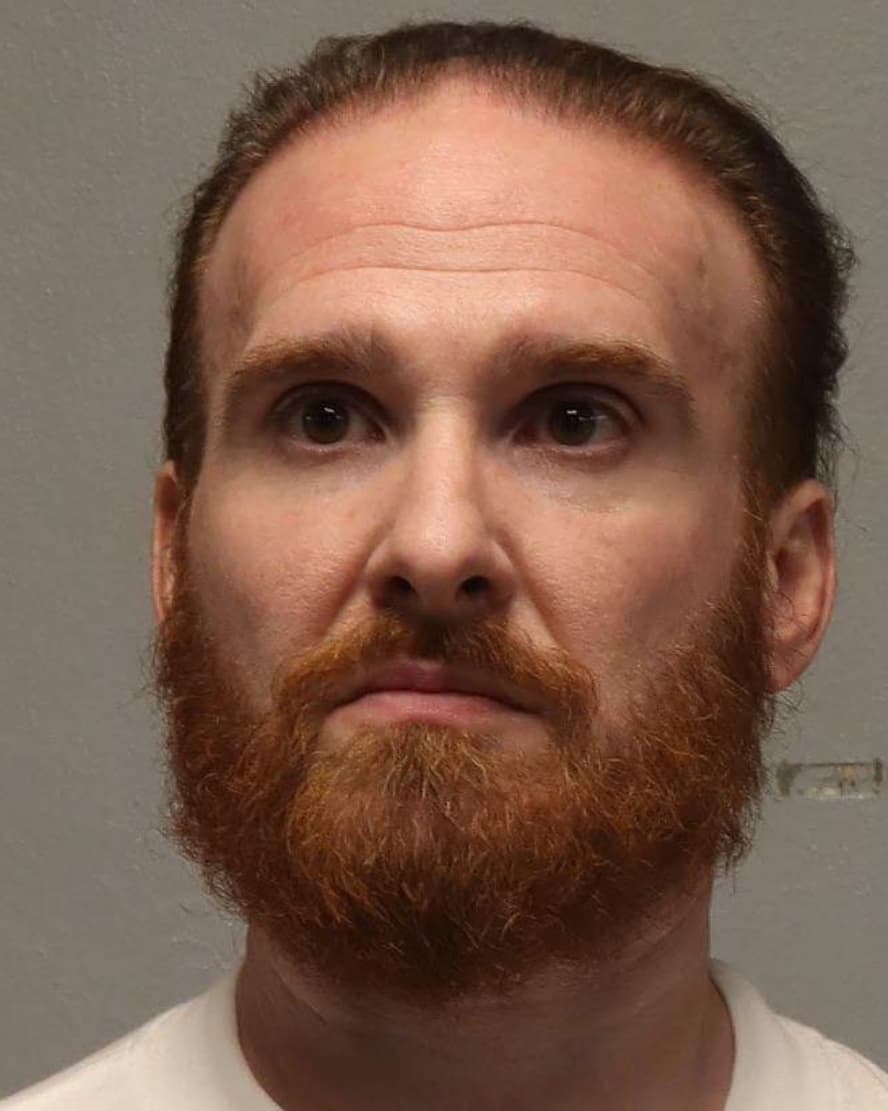
A challenge meant to shorten Todd Michael Warren’s prison time ended by making it longer, after a court found his decades-old Duluth murder sentence had been imposed incorrectly and added 10 years.
Warren was convicted in the March 28, 1994, house-party shooting that killed Samuel Witherspoon, Keith Hermanson and Peter Moore. He had been serving a 50-year sentence and had already served 30 years when he later sought early release, setting off the legal review that produced the harsher outcome.
The added time matters because the ruling turned on a basic sentencing question: whether the original punishment had been entered the right way under the law. Once Warren challenged that sentence, the court identified an error and corrected it, but the fix did not benefit him. Instead, the correction increased the total punishment, a reminder that old convictions can still carry fresh consequences when judges revisit how a sentence was calculated years ago.
That outcome also leaves a broader mark on Minnesota’s justice system. It shows that long-closed cases are not immune from review, and that a postconviction challenge can expose an unlawfully lenient or otherwise flawed sentence. In practical terms, the ruling reinforces court authority to correct sentencing mistakes even when the change is unfavorable to the person who raised the issue. For victims’ families, that kind of reset can reopen a painful chapter while also signaling that the system is still willing to correct the record.
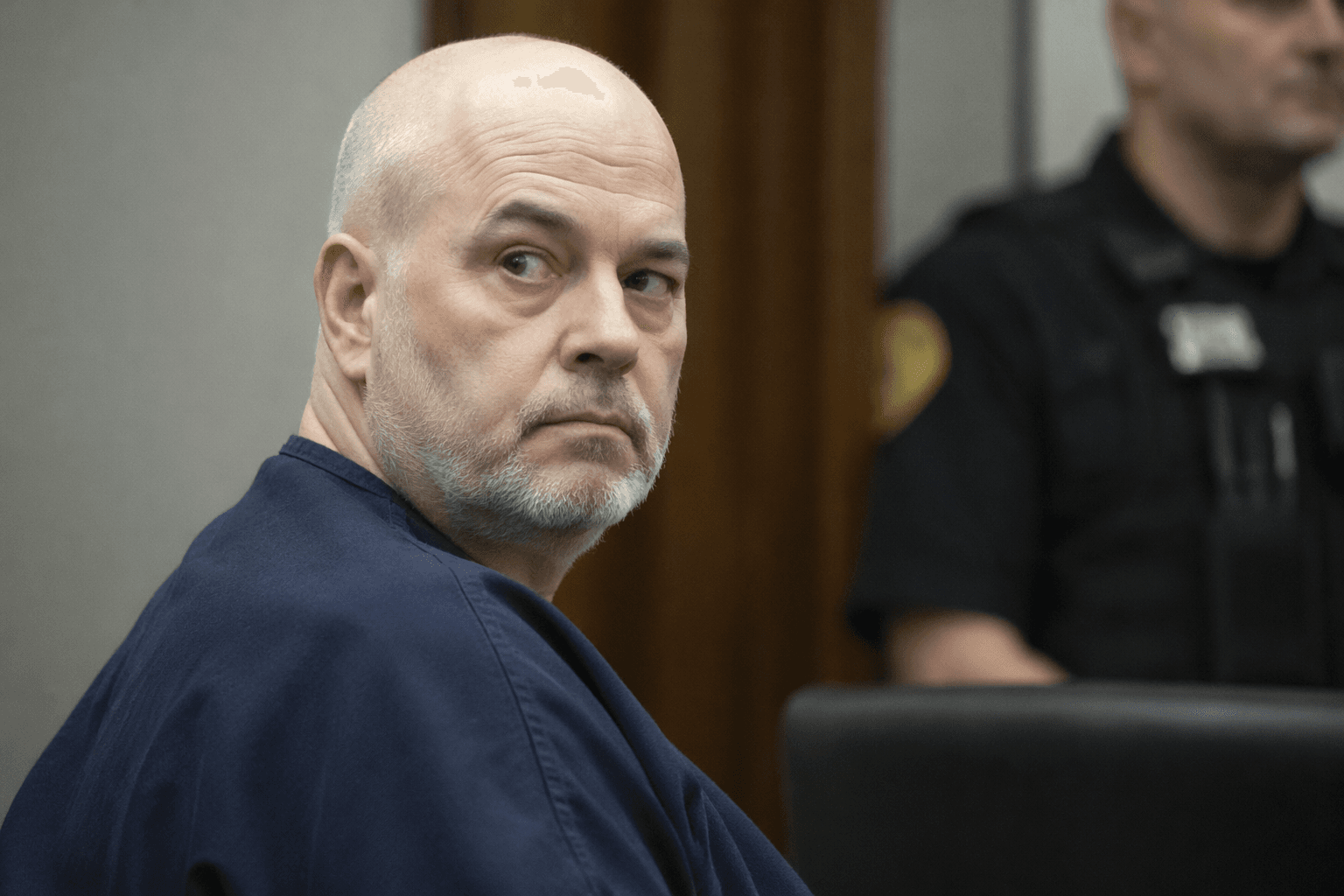
Warren’s bid for release had already been rejected in December 2023, when the Minnesota Board of Pardons denied his commutation request unanimously. The board then was made up of Gov. Tim Walz, Attorney General Keith Ellison and Supreme Court Chief Justice Natalie Hudson. The denial left Warren in prison, and the later sentence correction added another decade to the punishment he is serving.
The case has carried heavy weight in Duluth for years. In 2017, local coverage described the killings as the city’s first triple homicide of that magnitude, and County Attorney Kim Maki has called the crime one of the most grievous in St. Louis County history. More than three decades later, the sentence change shows that the legal and moral consequences of the case are still playing out in court.
This article was produced by Prism’s automated news system from verified source data, official records, and press releases, then run through automated quality and moderation checks before publishing. The system is built and supervised by the people who set the standards it runs under. Read our full AI policy.
Did this article answer your question?