Essentia pilot helps patients track blood pressure at home, nurses alert on highs
Home blood-pressure checks sent straight to Essentia nurses helped one patient fall from 200/100 to 130/80, while hundreds joined the pilot.
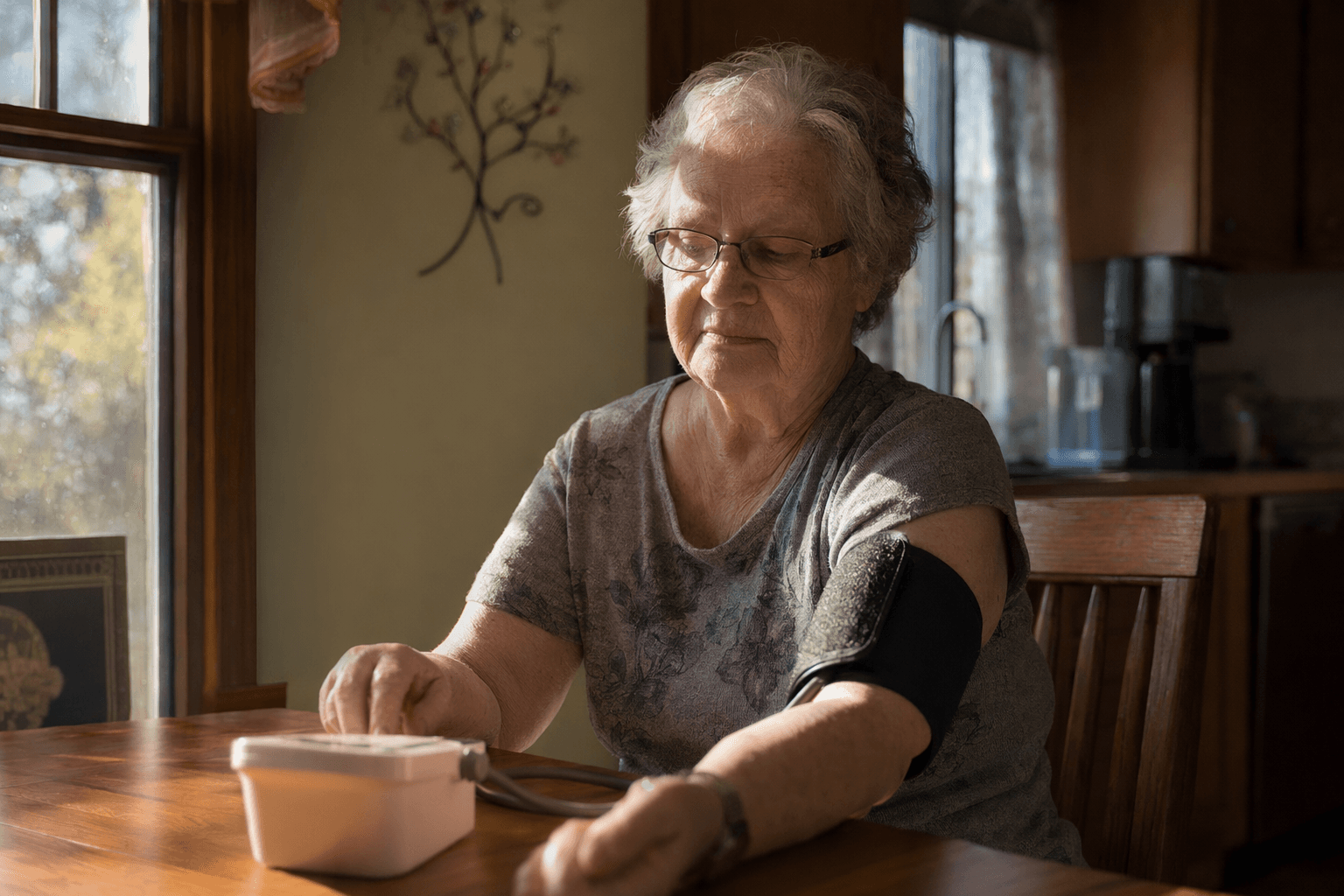
Keeping track of blood pressure at home has become the frontline in Essentia Health’s pilot, where patients check their readings between clinic visits and nurses step in when numbers climb too high. For people in St. Louis County who cannot easily make repeated trips for routine follow-up, the system is designed to catch trouble earlier and keep a chronic condition from turning into an emergency.
In Essentia’s setup, home readings flow into Epic, the health system’s electronic medical record. When a reading exceeds a predetermined threshold, the system sends an alert to the nurse care line team. Essentia says that care line offers free registered-nurse advice 24 hours a day, seven days a week, and that nurses can review a patient’s complete medical history before calling back or helping adjust the next step.
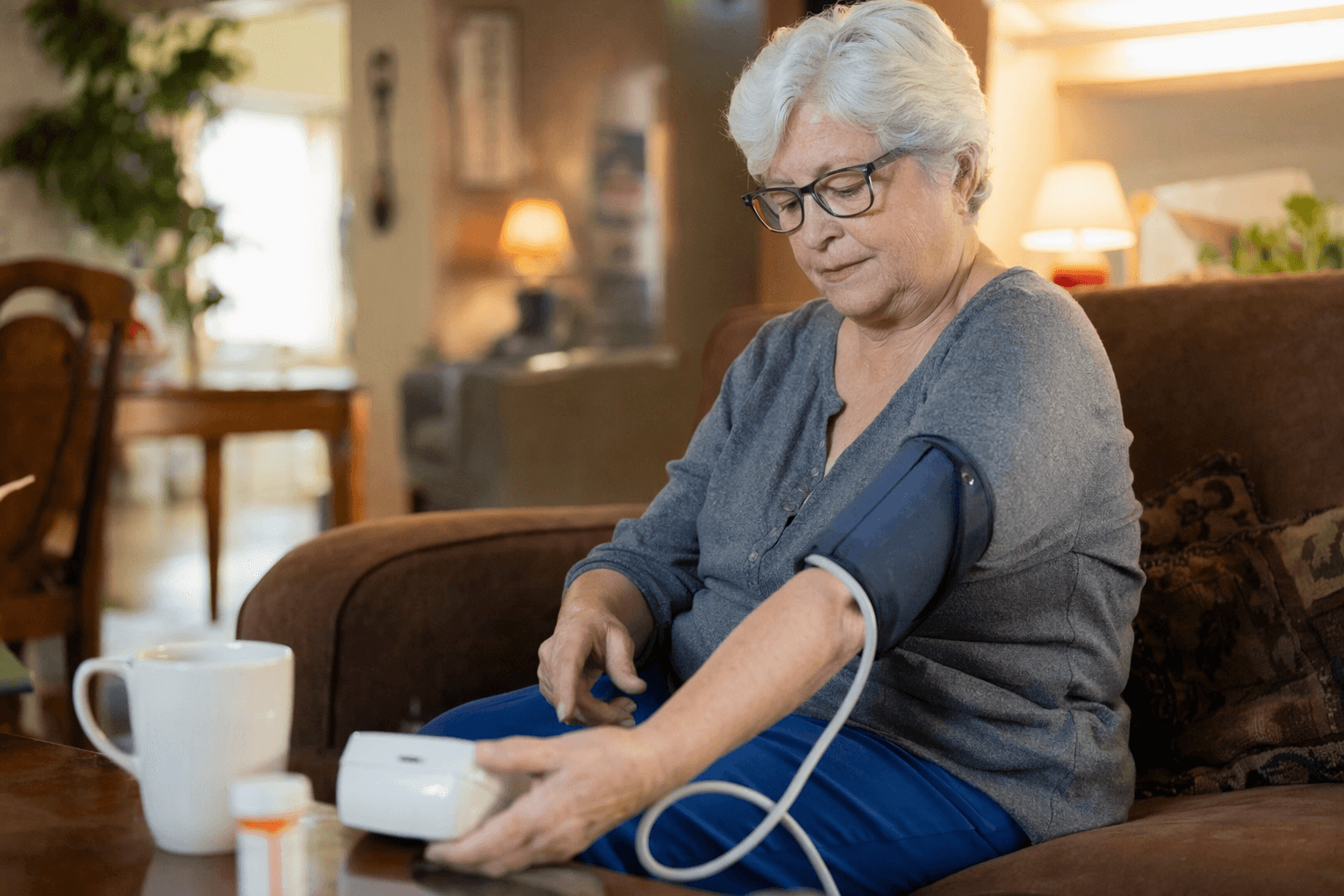
Hundreds of patients have already taken part in the pilot, according to WDIO, which reported that the program was built to make blood-pressure management simpler and more responsive for people who may not always be able to get to a clinic quickly. Essentia’s newsroom highlighted one participant, Nigbor, whose blood pressure reportedly fell from 200/100, a dangerously high reading, to 130/80 after joining the home-monitoring program. Dr. Mike Stearns said the effort matters because very high blood pressure sharply raises the risk of stroke and heart attack, and he pointed to a participant who worked in health care and brought readings down into a much safer range with the program’s help.
The public-health stakes are large. The American Heart Association says nearly half of American adults have high blood pressure and many do not know it, which is why the condition is often called the silent killer. The group says uncontrolled hypertension can lead to heart attack, stroke, heart failure, kidney disease and vision loss. It also says stroke remains a leading cause of death and severe long-term disability, and most people who have had a first stroke also had high blood pressure.
For counties like St. Louis, where chronic-disease prevention remains a constant concern, that makes home monitoring more than a convenience. A model that pairs at-home checks with nurse outreach can flag spikes earlier, give patients faster feedback on medication changes, and reduce the need to wait for an in-person appointment before someone notices a dangerous rise. The pilot is still being refined, but Essentia’s early results suggest that a blood-pressure cuff at home can become a meaningful tool for keeping patients out of crisis.
This article was produced by Prism’s automated news system from verified source data, official records, and press releases, then run through automated quality and moderation checks before publishing. The system is built and supervised by the people who set the standards it runs under. Read our full AI policy.
Did this article answer your question?