Federal prosecutors pursue charges in St. Paul church protest case
State prosecutors dropped the Cities Church case, but federal authorities are still pursuing civil-rights charges against 39 people after the St. Paul protest.
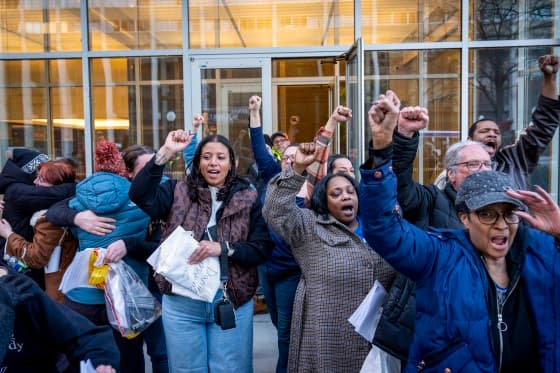
State prosecutors have stepped back from the Jan. 18 disruption at Cities Church, but federal authorities are still pressing ahead, creating an unusual split that shows how protest cases tied to immigration enforcement can move on different legal tracks.
St. Paul City Attorney Irene Kao said June 3 that her office reviewed video footage, investigative reports and other materials from the Sunday worship service and concluded the evidence was not enough to support charges under Minnesota state law. Kao said the decision was not a judgment on the protest itself, and stressed that peaceful protest and religious worship are both protected rights.
The protest took place inside the church on Summit Avenue, where about three dozen people entered during the service and chanted “ICE out” and “Justice for Renee Good.” The demonstration was tied to anger over immigration enforcement in Minnesota, including the Jan. 7 fatal shooting of Renee Nicole Good, 37, a mother of three, by a federal agent in Minneapolis. Church leaders said the disruption frightened congregants and children. Lead pastor Jonathan Parnell said the church viewed the protest as an invasion.
Federal prosecutors have taken a far more aggressive approach. They have charged 39 people in the case, including former CNN journalist Don Lemon, independent journalist Georgia Fort and civil rights activist Nekima Levy Armstrong. The charges include conspiracy against rights of religious freedom and attempting to injure, intimidate or interfere with religious freedom at a place of worship. All remaining defendants have pleaded not guilty.
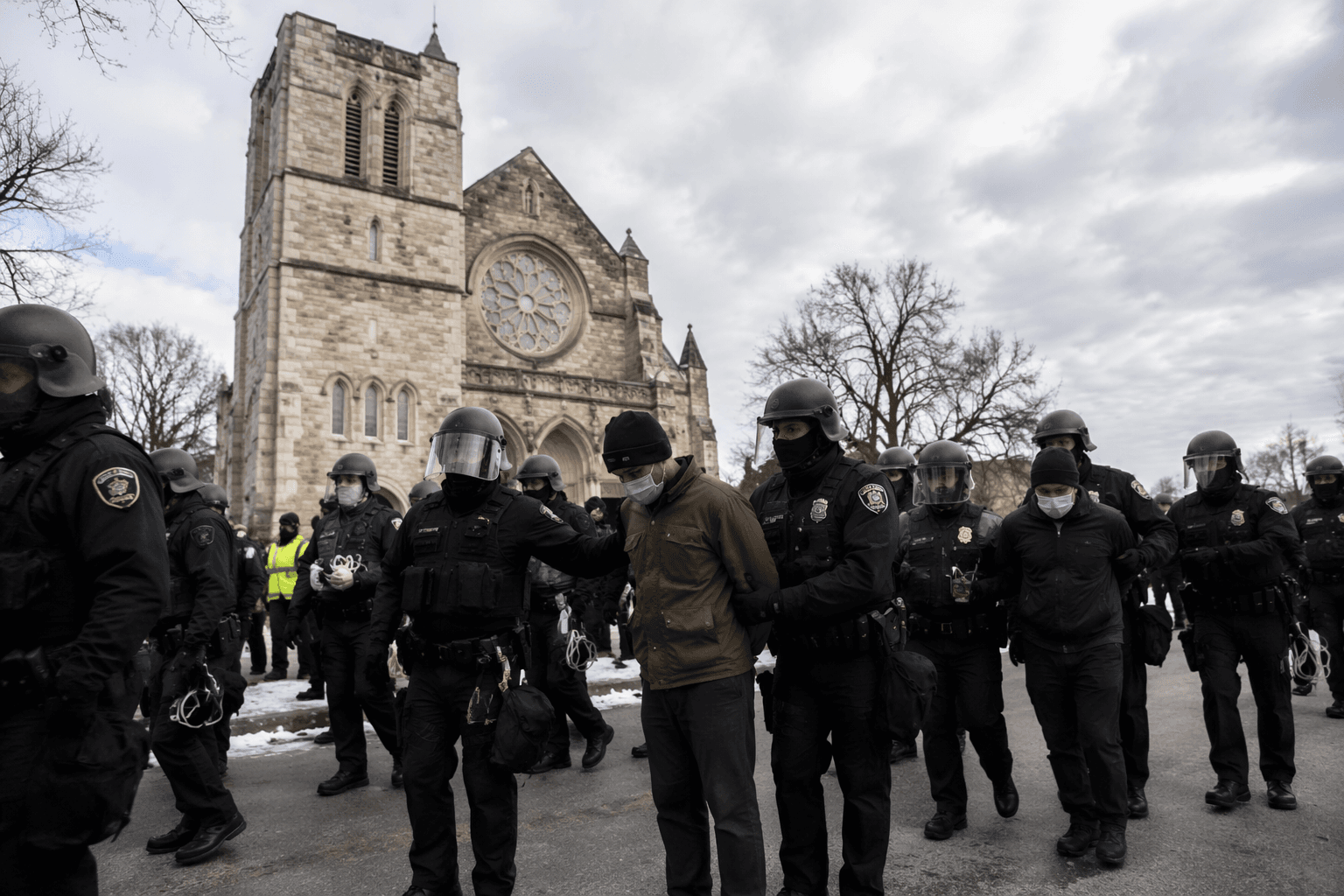
Prosecutors allege the group carried out a two-wave, takeover-style disruption that blocked the aisle and front rows and intimidated worshippers. The Justice Department opened a civil-rights investigation shortly after the protest, underscoring the national attention the case drew well beyond St. Paul.
The case has also been shaped by early judicial scrutiny. In February, U.S. Magistrate Judge John Docherty rejected five search-warrant applications tied to the investigation, and prosecutors withdrew those requests in late March.
For church leaders, the dispute has become a fight over how to protect worshippers when political protest enters a sanctuary. For public officials, it is now a clear test of how state and federal authorities can reach different conclusions from the same evidence, with federal charges still moving forward even after the city declined to act.
This article was produced by Prism’s automated news system from verified source data, official records, and press releases, then run through automated quality and moderation checks before publishing. The system is built and supervised by the people who set the standards it runs under. Read our full AI policy.
Did this article answer your question?