Fond du Lac Band breaks ground on Duluth tribal health center
A $25 million Duluth tribal health center aims to ease dental shortages, where Fond du Lac had one dentist for every 2,000 patients in Cloquet in 2025.
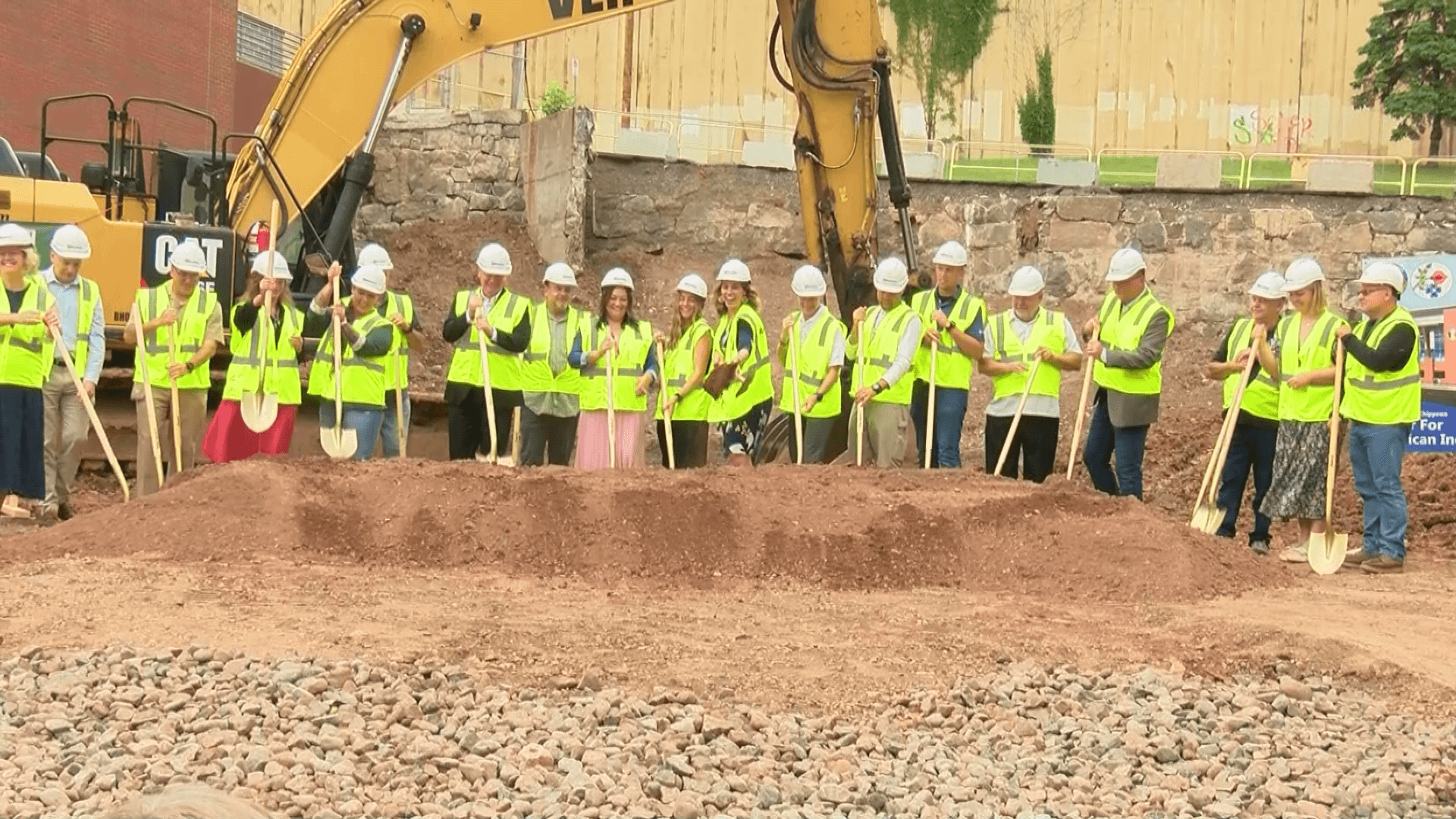
The Fond du Lac Band of Lake Superior Chippewa broke ground July 1 on a $25 million Center for American Indian Resources in downtown Duluth, a 33,000-square-foot project to bring dental, mental health and social services closer to Native patients who often must travel for care. The new building on Fourth Street will expand the band’s human-services footprint in the city and put more care in the middle of Duluth rather than on the reservation outskirts.
Caleb Dunlap, the band’s communications director, expects the project to widen dental access in particular. Dental services are currently offered only in its Cloquet district, where in 2025 there was one dentist for every 2,000 patients. The new center is expected to open in fall 2027 and is intended to consolidate services that can now mean separate trips for mental health care, social services, dental work and other needs.
The Fond du Lac Human Services Division’s mission is to elevate the health and social well-being of American Indian people through culturally appropriate services, research, education and employment opportunities. The division was established in 1974, while the Center for American Indian Resources originally opened in Duluth in 1988 and added an outpatient medical clinic in 1992. The band’s website lists the downtown site at 221 West 4th Street, and registration can be completed there.

The Lake County listing for CAIR includes medical and dental care, mental health services, optometry, an on-site pharmacy and prevention and intervention services. Most CAIR services are limited to members of the Fond du Lac Tribe.
The earliest clinic was a small house where rooms were repurposed for waiting, exams, pharmacy and lab work, before the Human Services Division grew into a network of modern facilities. The division expanded from 5 employees to 325 under Phil Norrgard and had an annual operating budget of more than $42 million as of 2017, with six modern facilities that now house two health clinics, three pharmacies, one assisted living residence, public health and social services programs, youth programs, two outpatient treatment centers and one dental clinic, according to a University of Minnesota Duluth profile.
This article was produced by Prism’s automated news system from verified source data, official records, and press releases, then run through automated quality and moderation checks before publishing. The system is built and supervised by the people who set the standards it runs under. Read our full AI policy.
Did this article answer your question?