Full-Course Beargrease Returns as Mendelson Prepares for 120
Full-course Beargrease returned to northern Wisconsin with the Beargrease 120 run on Jan. 23, 2026, highlighting mushing resilience and renewed winter recreation for regional fans.
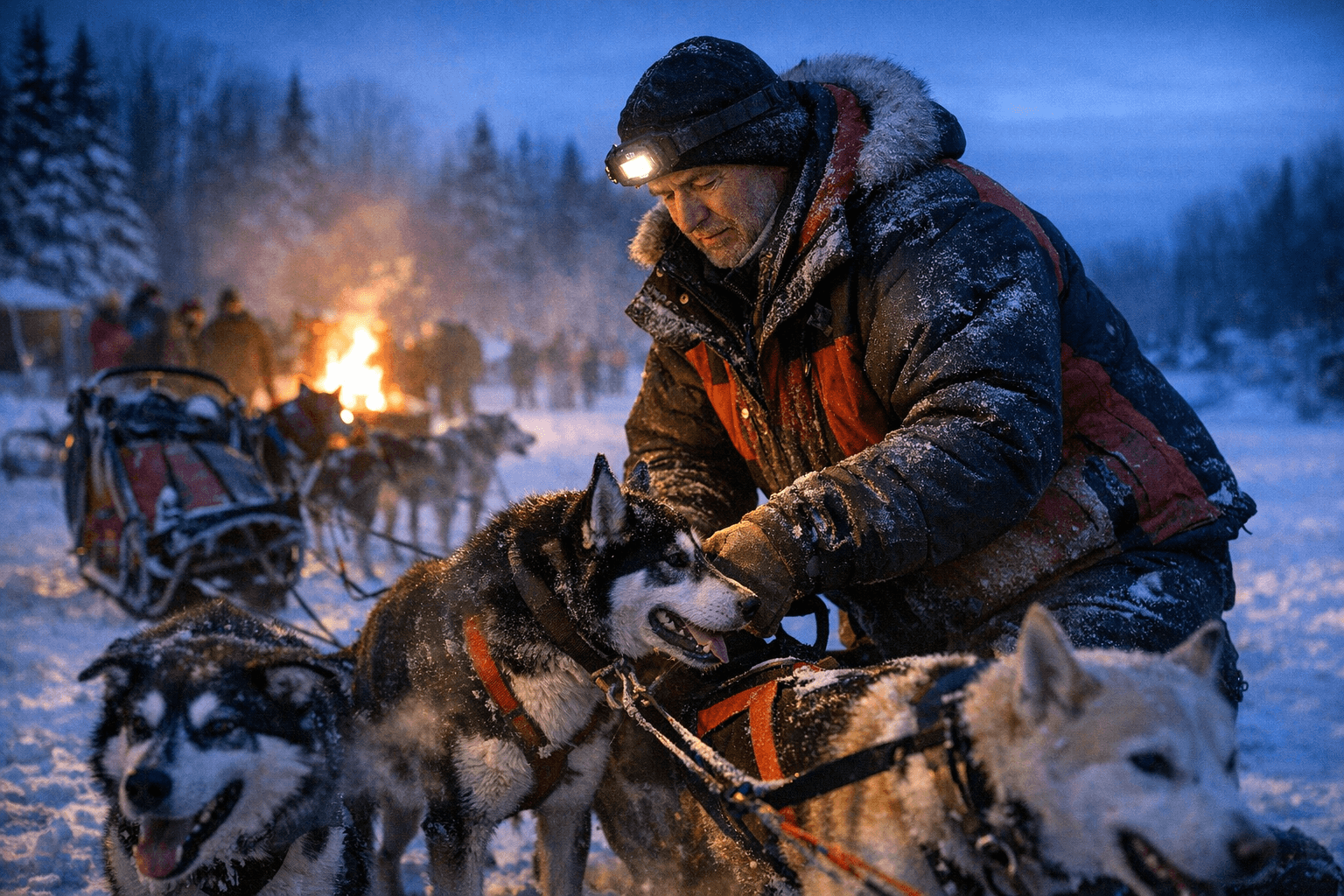
The Beargrease returned to its full course in Solon Springs, Wisconsin on Jan. 23, 2026, as musher Melissa Mendelson of Flight Risk Mushing ran the Beargrease 120. The race restarted at 11:05 a.m. Sunday from Billy's Bar, marking the first full-course running after recent cancellations and delays that disrupted the early-season mid-distance circuit.
Mendelson, who relocated to northern Wisconsin to pursue mid-distance mushing, was one of several competitors interviewed about training and preparation leading into the event. Mushers described cold, snowy weather in the region as optimal for both performance and safety, noting that firm trail conditions reduce risks of injury and make dog-care logistics more predictable. Conversations with mushers emphasized basic preparations - conditioning teams, booting and harness checks, and pre-race nutrition - that drive outcomes in 120-mile competition.
The return of a full-course Beargrease has local and regional implications. For St. Louis County residents who follow winter sports and outdoor recreation, the event restores a key early-season test that helps set expectations for mushers on the mid-distance circuit. The race weekend drew handlers, volunteers, and spectators to Solon Springs, generating foot traffic at start-line venues such as Billy's Bar and supporting the winter-time microeconomy that benefits small businesses in gateway communities.
Race-day logistics were front of mind for participants. Mushers discussed checkpoint planning, dog-care rotations, and the importance of weather windows for safe completion of the 120-mile route. The emphasis on dog welfare and methodical preparation reflects a broader push within the sport to balance competitive ambition with animal safety and volunteer capacity. After previous years of shortened or postponed routes, returning to a full course also tests organizational readiness - trail marking, snowmobile support, and medical and veterinary coverage all scale up when a longer route is restored.
Mendelson's decision to move north for mid-distance competition illustrates how athletes adjust residency and training patterns to align with racing calendars and trail quality. That mobility has ripple effects for local clubs and handlers, who exchange knowledge on conditioning strategies and logistics at race flats and checkpoints. For St. Louis County mushers and fans, Mendelson's campaign provides a local reference point for what focused mid-distance preparation requires.
What comes next for readers is a season recalibration: results from the Jan. 23 Beargrease 120 will inform training priorities and community planning for other mid-distance events. For residents interested in winter recreation and animal welfare oversight, the race's full-course return underscores the need for reliable trail conditions, volunteer staffing, and clear race-day information so that the sport can continue safely and sustainably in the region.
This article was produced by Prism’s automated news system from verified source data, official records, and press releases, then run through automated quality and moderation checks before publishing. The system is built and supervised by the people who set the standards it runs under. Read our full AI policy.
Did this article answer your question?