Google Identified as Hermantown Data Center Developer, Minnesota Power Signs Agreement
Hermantown officials on March 3 named Google as the developer of a proposed 1.8 million-square-foot data center on more than 200 acres, backed by a new Minnesota Power agreement.

Hermantown City Administrator John Mulder celebrated Google’s decision to locate a major data center in the city, saying, “We are excited Google is choosing Hermantown, knowing the commitment they make will have a substantial positive impact,” as the Hermantown City Council last week unanimously rezoned land to permit the project. The identification of Google ended more than a year of secrecy around the proposal and followed the city’s March 3 public announcement naming Google as the owner-developer.
City documents and local reporting place the campus on the southwest edge of Hermantown, adjacent to Duluth near Arrowhead Station, around Midway Road and Highway 2, in the Arrowhead Substation area. The proposal calls for a campus of roughly 1.8 million square feet on more than 200 acres, with Mortenson named as a development partner; LandGate’s analysis estimates the project at about $650 million. Hermantown has a population of more than 10,000, a point officials have cited in making the case for local workforce capacity.
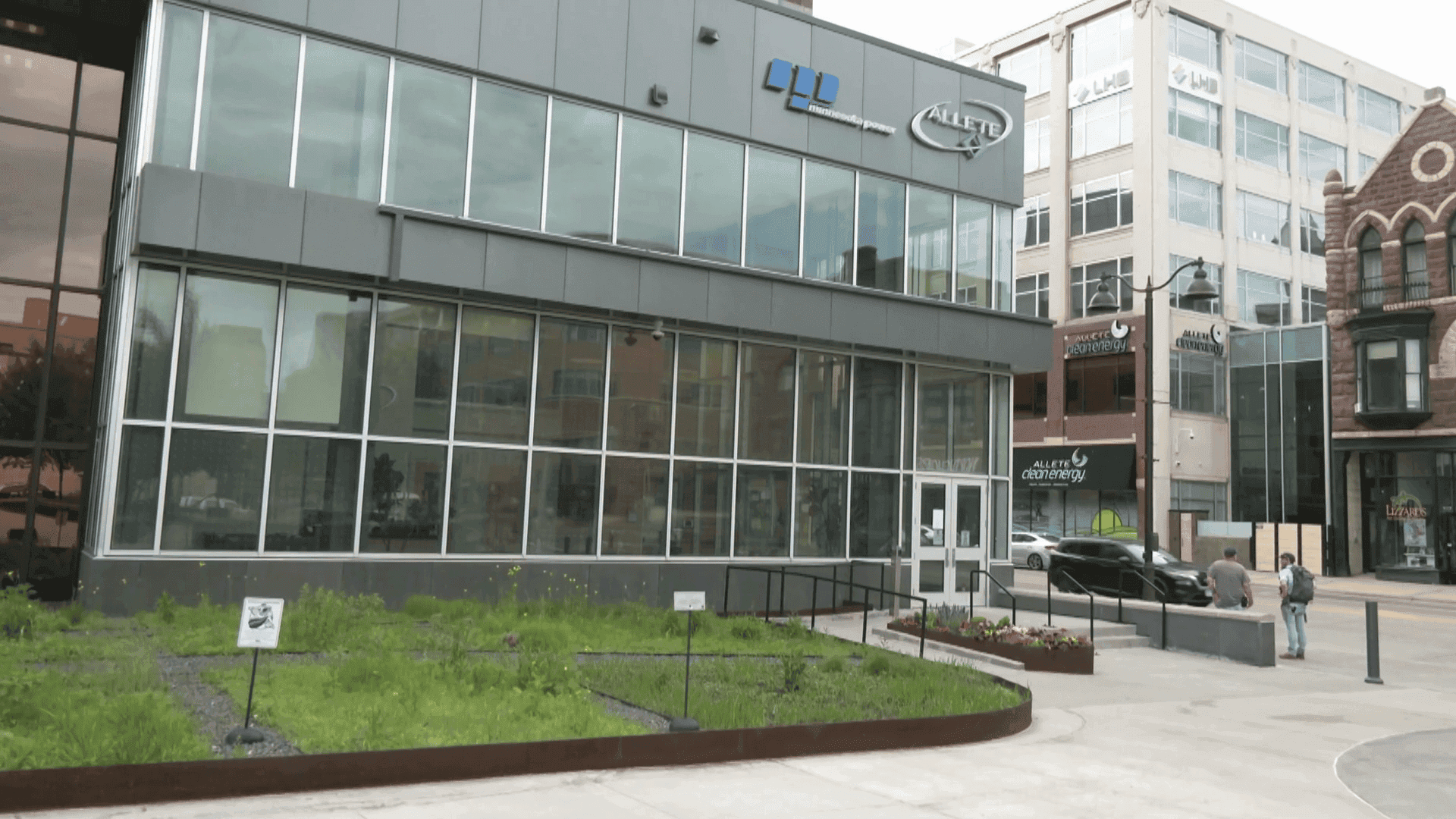
Minnesota Power announced an electric service agreement tied to the site, and KAXE reported that the collaboration “will reportedly enable the development of 700 megawatts of new, clean energy resources, from 300 MW of wind energy and 400 MW of battery storage.” LandGate also describes Google as committing to fund wind farms and battery storage and says Google pledged $5 million in energy impact funding to support Minnesota Power programs for low- to moderate-income customers, a claim the analysis frames within a broader grid-first strategy for data centers.
The project’s path to announcement was marked by opaque real estate transactions. Harmony Group LLC purchased several parcels in late January, with St. Louis County records cited by KAXE showing purchases on Morris Thomas Road ranging from $1.5 million to $2.7 million per residential property; Star Tribune reporting notes Harmony paid nearly $6 million for some of the land. Those purchase prices sit alongside a county-estimated land valuation of roughly $1.9 million, a discrepancy that will require reconciling parcel-by-parcel records and assessed values.
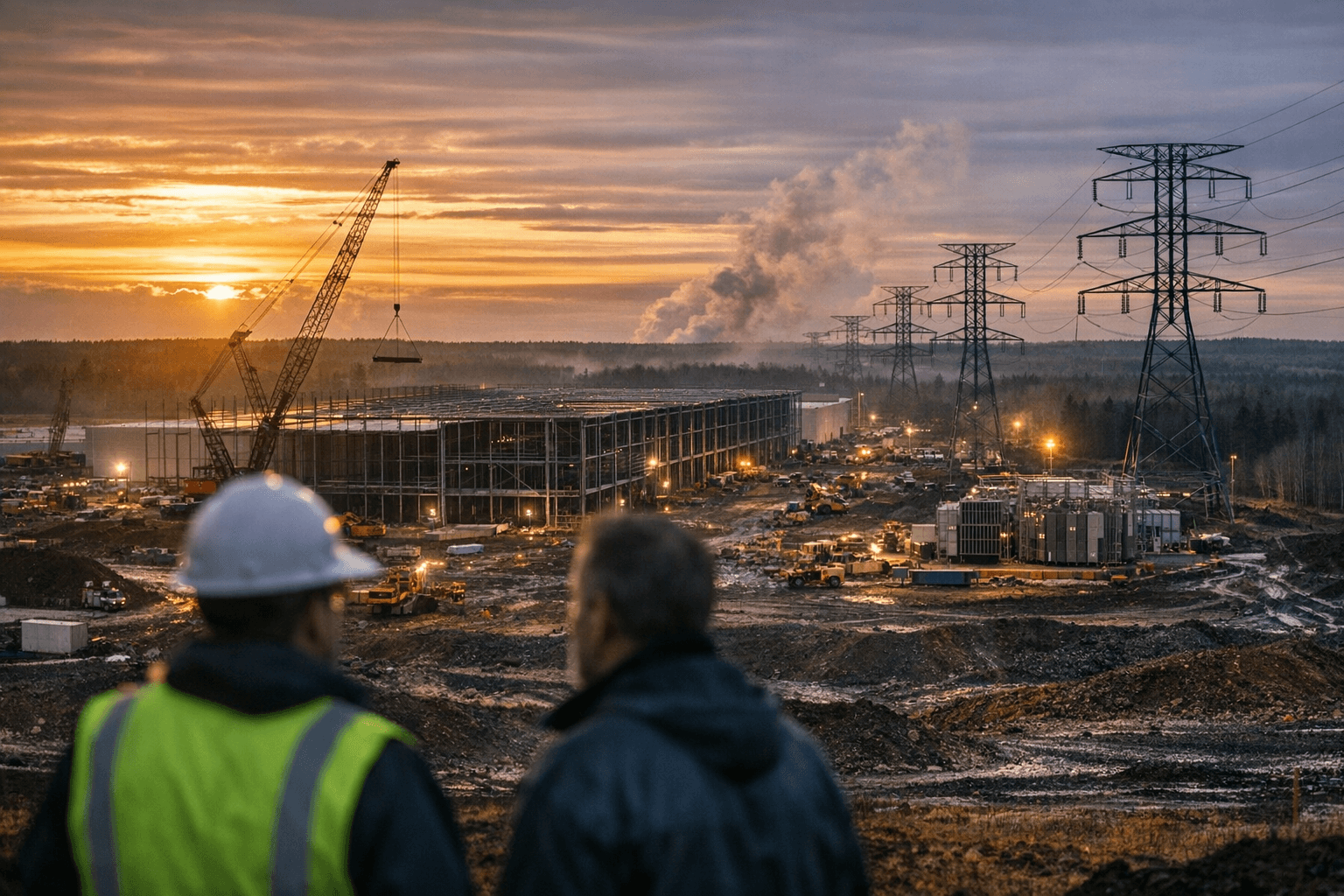
Environmental review and litigation remain central unsettled elements. The Minnesota Center for Environmental Advocacy has sued multiple Minnesota cities, including Hermantown and Pine Island, arguing the cities’ environmental reviews are inadequate, and a petition prompted a project hiatus in November 2025 while additional public input was sought. Aaron Klemz, strategy officer at MCEA, said Google’s back-to-back announcements show how much has transpired “behind the scenes.” Hermantown’s planning process used an AUAR, or Alternative Urban Areawide Review, which proposed light industrial development for the site and opened a formal public-comment record.
The announcement crystallizes a series of unresolved technical and policy questions that will determine whether the project proceeds: the exact terms and delivery timelines in the Minnesota Power electric service agreement, verification of Harmony Group LLC’s corporate relationship to Google, reconciliation of purchase prices with county assessments, and the outcome of MCEA litigation and any required federal or state environmental permits. If built, a 1.8 million-square-foot campus with linked wind and battery resources would reshape local grid demands and regional clean-energy procurement practices, but regulators and courts now hold the decisive tracks for the project’s timeline and ultimate economic footprint.
This article was produced by Prism’s automated news system from verified source data, official records, and press releases, then run through automated quality and moderation checks before publishing. The system is built and supervised by the people who set the standards it runs under. Read our full AI policy.
Did this article answer your question?