Gooseberry Falls State Park named best in nation by USA Today voters
Gooseberry Falls drew 758,417 visitors in 2024, and its new No. 1 national ranking could strain parking, trails and nearby North Shore businesses.

Gooseberry Falls State Park’s new title as the best state park in the nation gives St. Louis County a powerful tourism asset and a fresh test of how much traffic the North Shore can absorb. The park’s rise to No. 1 in the 2026 USA Today 10BEST Reader’s Choice Awards will likely funnel more visitors onto already busy roads, trails and shoreline overlooks in Two Harbors and beyond.
The win was not a simple staff pick. USA Today 10BEST assembled 20 nominees with help from editors and subject-matter experts, then opened four weeks of public voting. Gooseberry Falls finished No. 1 in 2026 after placing No. 3 in 2025, a climb that shows the park was already near the top before voters pushed it over the line.

For Minnesota officials, the ranking also underscores how heavily used Gooseberry Falls already is. The Minnesota Department of Natural Resources said the park drew 758,417 visitors in 2024, making it the most visited state park in Minnesota that year. The DNR says Gooseberry has been the state’s most-visited park in seven of the last 10 years and averages more than 760,000 visitors annually, a level of demand that makes parking, trail wear and campground use a real management issue, not just a bragging point.
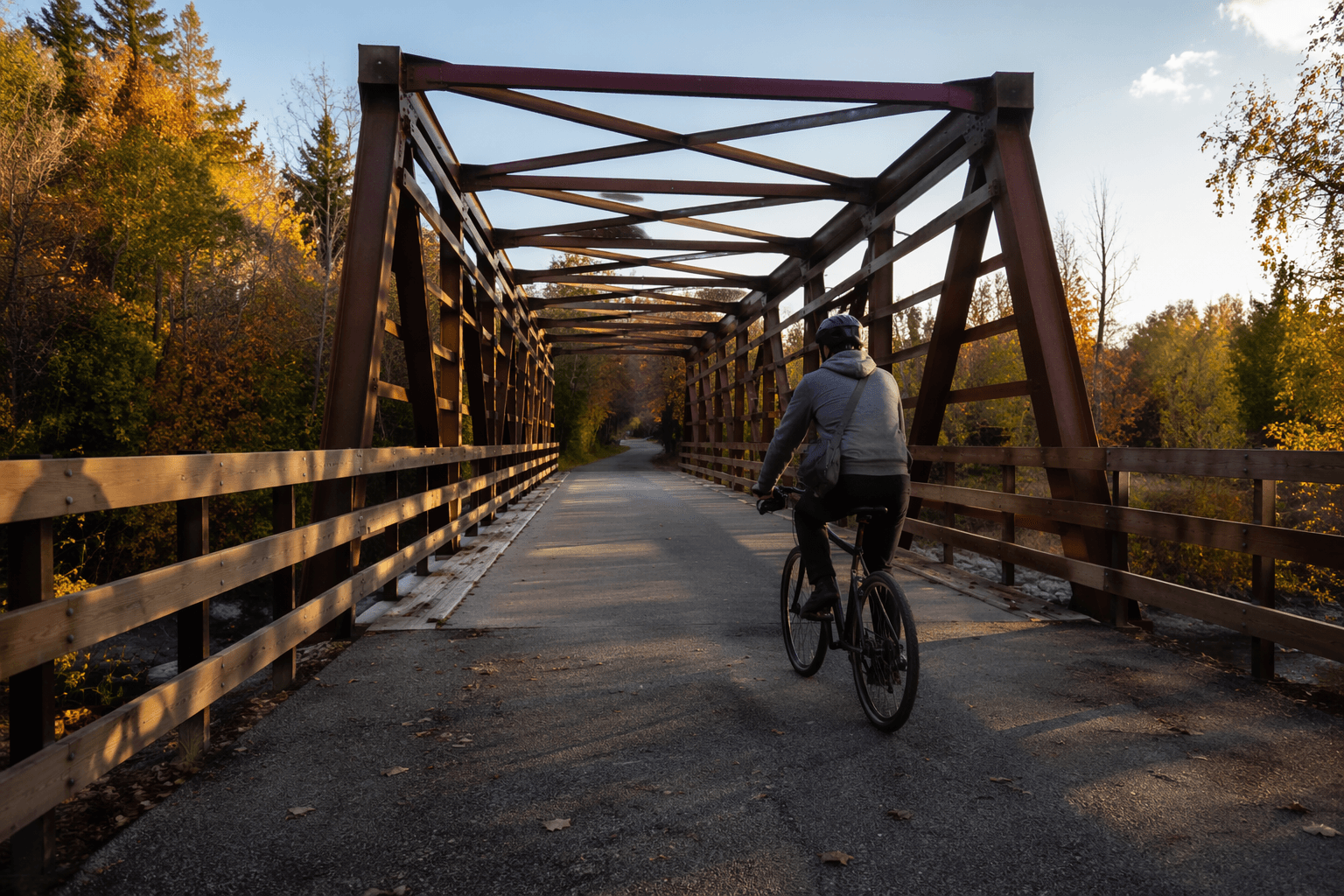
The park’s draw is easy to see. USA Today’s 10BEST description highlights five waterfalls, 18 miles of trails, 8 miles of mountain-bike trails, winter skiing and snowshoeing, and more than 225 bird species. The park also has a campground, visitor center, trout fishing, access to Lake Superior and a connection to the Gitchi-Gami State Trail, including a paved 2.5-mile segment and continuous paved trail access from Gooseberry to Silver Bay.
Gooseberry’s appeal runs deeper than scenery. The Minnesota Legislature authorized preservation of the area in 1933, and the park was officially designated in 1937 as the first of eight state parks developed along Lake Superior’s North Shore. Nearly all of the buildings were constructed by Civilian Conservation Corps workers between 1934 and 1941, and more than 80 CCC buildings, structures or objects still remain in the historic district today.
That history, paired with the river gorge, shoreline access and easy highway reach, helps explain why Gooseberry has become a regional anchor. The new national ranking should bring more attention, more visitors and more economic spillover for nearby businesses, but it will also demand careful stewardship from the state and the communities that depend on the park’s long-term health.
This article was produced by Prism’s automated news system from verified source data, official records, and press releases, then run through automated quality and moderation checks before publishing. The system is built and supervised by the people who set the standards it runs under. Read our full AI policy.
Did this article answer your question?