Homegrown Festival spotlights Duluth music scene, rehearsal space shortage persists
Homegrown brings 170 bands to Duluth and Superior, but young musicians still struggle to find affordable rehearsal space once the festival ends.
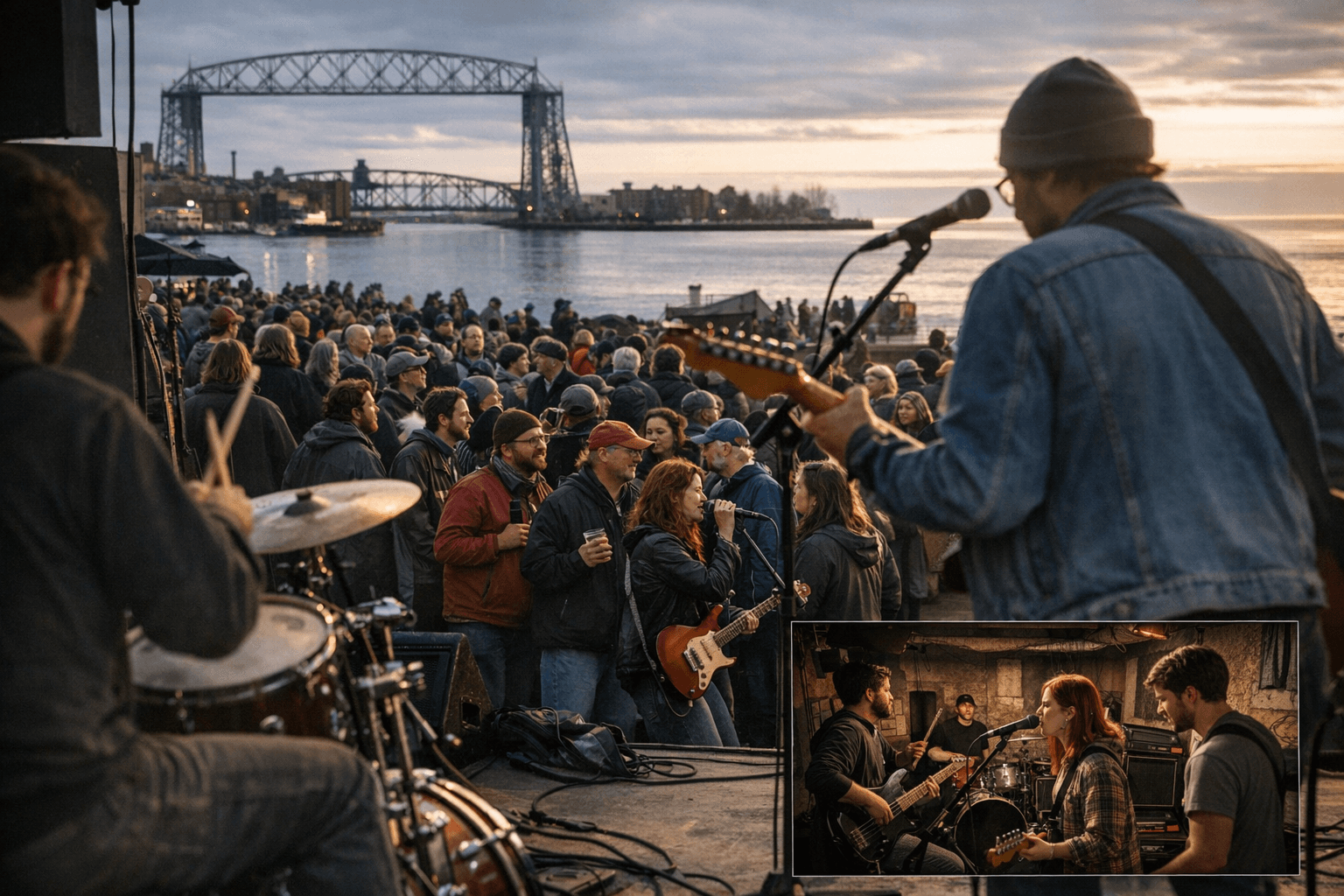
Homegrown Music Festival has become Duluth’s biggest annual stage, but the harder story sits behind the lights and crowded venues: young musicians still struggle to find a place to rehearse, write and stay in the scene. The 28th annual festival runs April 26 to May 3, 2026, with about 170 bands in Duluth and Superior and weeklong wristbands priced at $40, yet the city’s music pipeline remains vulnerable to a shortage of affordable practice space.
What began in 1999 as Scott Lunt’s 30th-birthday party has grown into an eight-day regional fixture with music, visual and performing arts, secret shows, poetry and kickball. That growth has made Homegrown a reliable showcase for local talent, but it also underlines a basic problem: the festival offers a burst of visibility, while the infrastructure musicians need the rest of the year remains thin.
That tension has sharpened in recent years. In 2024, Mayor Roger Reinert declined to take part in the traditional mayoral proclamation and reception, and organizers instead held a Founder’s Reception. The change was small in ceremony, but it reflected how closely the festival has come to serving as a marker of civic identity in a city still trying to hold onto its creative class.
The shortage of rehearsal rooms is not a new complaint. A 2016 Duluth Reader report marked the shutdown of Clubhouse Studios, a practice space at 7th Avenue East and 3rd Street that had served bands since the late 1990s. Groups including The Acceleratii, Ballyhoo, Black Labels, Glass Elevator, Mary Bue and Trampled by Turtles had used the space before its closure, a reminder that the loss of one building can ripple through an entire local scene.
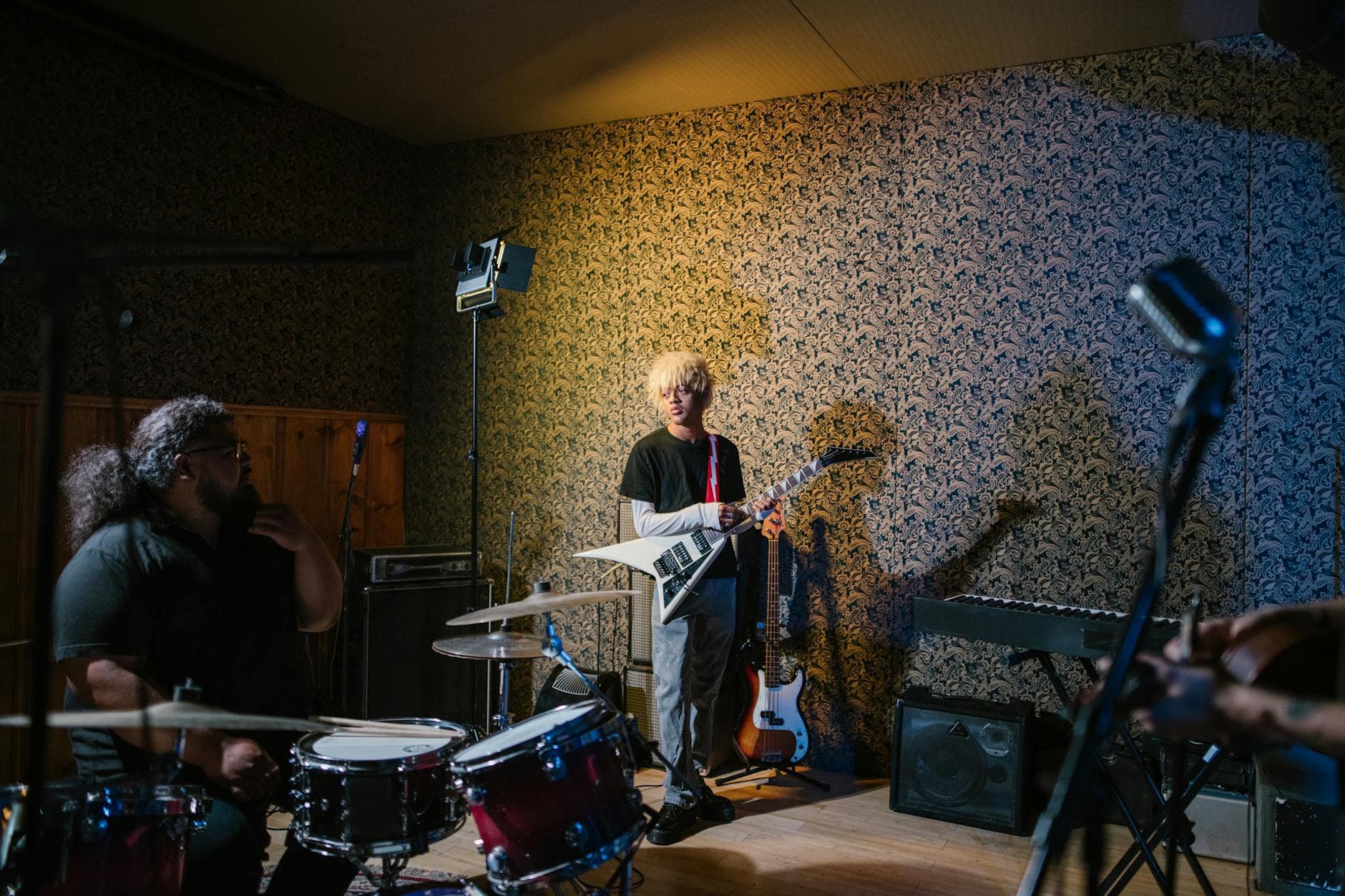
One long-term answer has been the Armory Arts and Music Center, formed in 2003 by seven community members to save the Duluth Armory from demolition. The nonprofit’s Music Resource Center is a free after-school program for middle and high school students, and LISC provided $270,000 in predevelopment financing for the next phase. Explore Minnesota has said construction on the North County Creative Center was scheduled to begin in summer 2024 with a fall 2025 opening target, while the Armory says its rehabilitation project is due to reopen to the public in fall 2027.
For Duluth and St. Louis County, the stakes go beyond one festival. Homegrown shows the demand is there, but the city’s ability to keep young musicians from leaving will depend on whether rehearsal space, youth programs and performance rooms keep pace with the talent already here.
This article was produced by Prism’s automated news system from verified source data, official records, and press releases, then run through automated quality and moderation checks before publishing. The system is built and supervised by the people who set the standards it runs under. Read our full AI policy.
Did this article answer your question?