Homegrown Music Festival works to restore tax status and leadership
Homegrown Music Festival lost its tax-exempt status in 2022 and is now cleaning up its finances and leadership to protect a Duluth institution.

Homegrown Music Festival is trying to repair a broken tax status and tighten its leadership at the same time, a two-part reset that will decide how much of Duluth’s music identity it can preserve. The festival has not held federal tax-exempt status since 2022, leaving it to operate as a taxable nonprofit while the board sorts through paperwork and any lingering liabilities. New board president Don Ness, who served as Duluth mayor from 2008 to 2016 and now leads the Ordean Foundation, is helping guide that work.
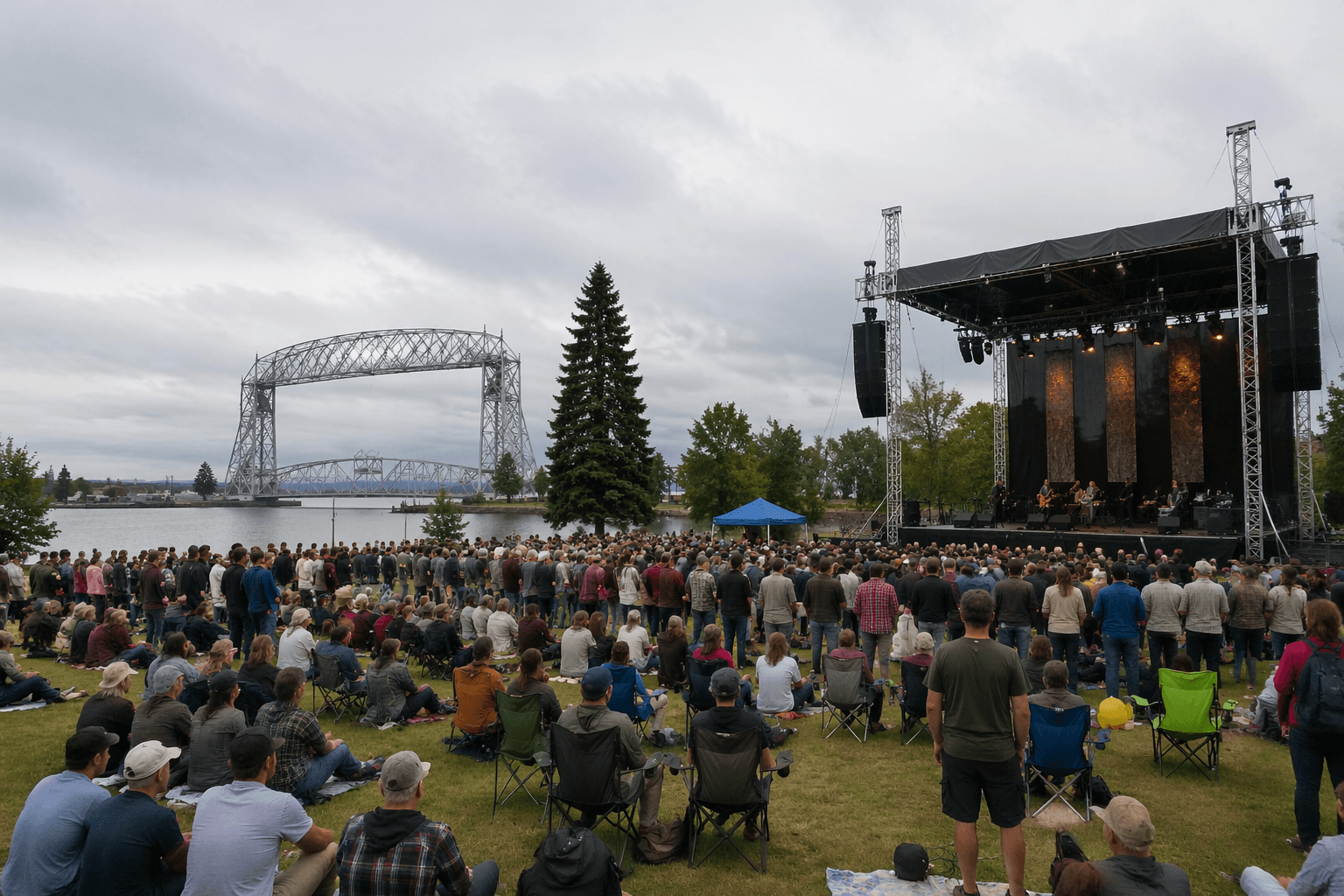
The stakes are larger than a filing problem. Homegrown began in 1999 with ten acts, nearly folded in 2005, then rebounded in 2006 and grew to roughly 200 bands by 2014. By 2026, the festival had become an eight-day, community-wide event running from April 26 to May 3, spreading across Duluth and Superior, Wisconsin, and into nearly every Twin Ports music venue. A festival guide said 172 bands played across the week, while a local listing said more than 40 percent of Homegrown events were free and open to all ages.
That reach is why the tax status lapse matters. Losing federal exemption can complicate fundraising, budgeting and sponsor confidence, especially for a festival that depends on broad community support and a dense network of bands, venues and volunteers. It also affects how cleanly the organization can plan future editions, since the loss of tax-exempt status carries real financial and legal consequences, not just administrative embarrassment.
The Internal Revenue Service says exempt organizations can have their status automatically revoked if they fail to file required annual returns or notices for three consecutive years. Once that happens, reinstatement generally means a new exemption application and payment of the appropriate user fee. The IRS also lets organizations check their standing through its Tax Exempt Organization Search and EO BMF data, part of the compliance backdrop Homegrown now has to confront.

Board members say the festival’s future is not in jeopardy, but they are also signaling that the old way of doing business is not enough. Homegrown will need stronger day-to-day structure, clearer financial discipline and a more reliable operating plan if it wants to keep its place as one of Duluth’s signature cultural institutions. For musicians, sponsors and the audiences that turn the festival into an annual civic ritual, the next year will show whether this is a temporary stumble or the point where Homegrown’s long-term model has to be rebuilt.
This article was produced by Prism’s automated news system from verified source data, official records, and press releases, then run through automated quality and moderation checks before publishing. The system is built and supervised by the people who set the standards it runs under. Read our full AI policy.
Did this article answer your question?