Hundreds walk Bong Bridge on Flag Day to defend democracy
Hundreds crossed the Richard I. Bong Bridge on Flag Day, turning a patriotic walk into a public warning about democracy's fragility. The span became a civic stage for the Twin Ports.

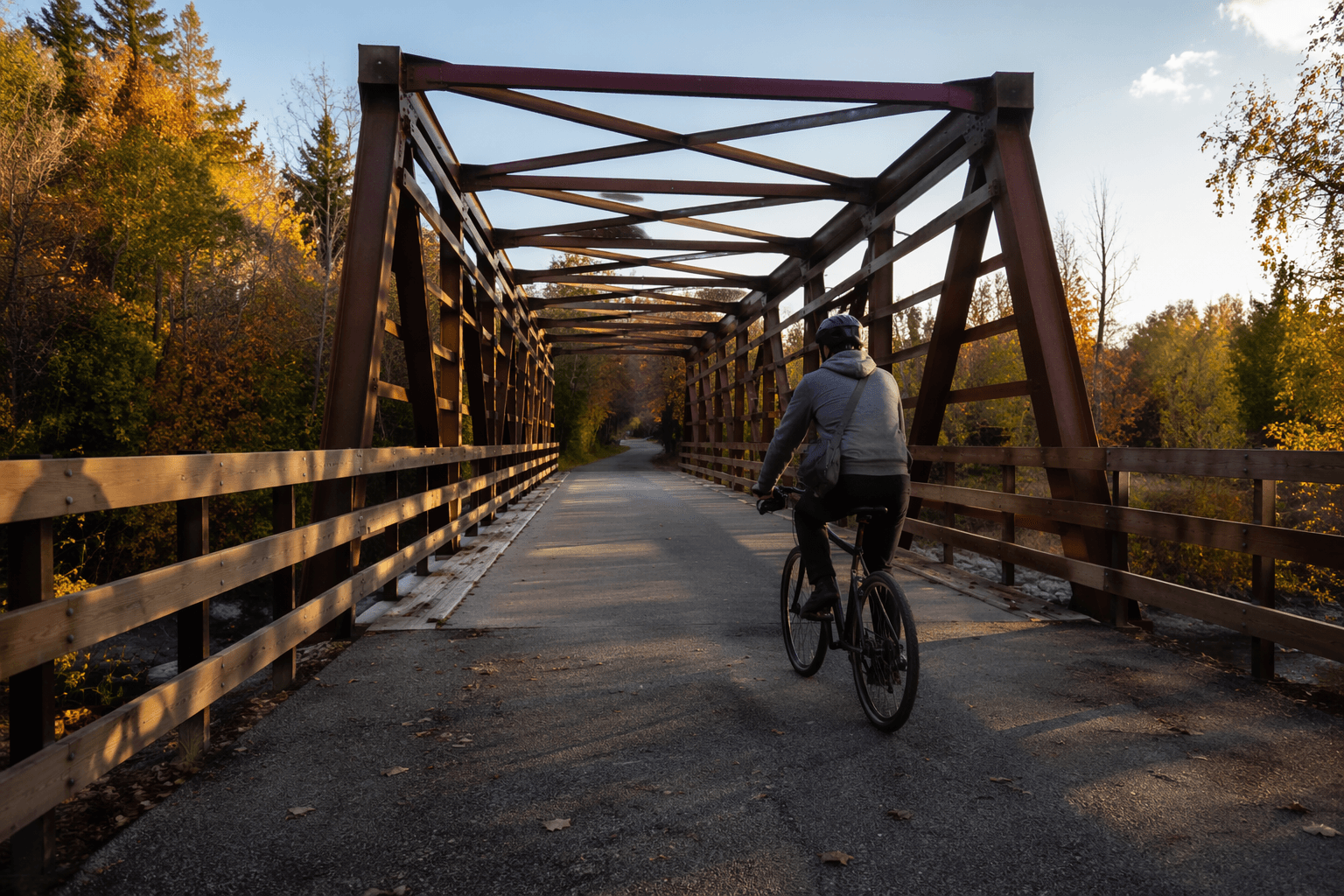
Hundreds of people crossed the Richard I. Bong Bridge on Flag Day, June 14, in a public show of patriotism mixed with alarm over the state of American democracy. The walk turned one of the Twin Ports’ most visible crossings into a symbol of both connection and civic unease.
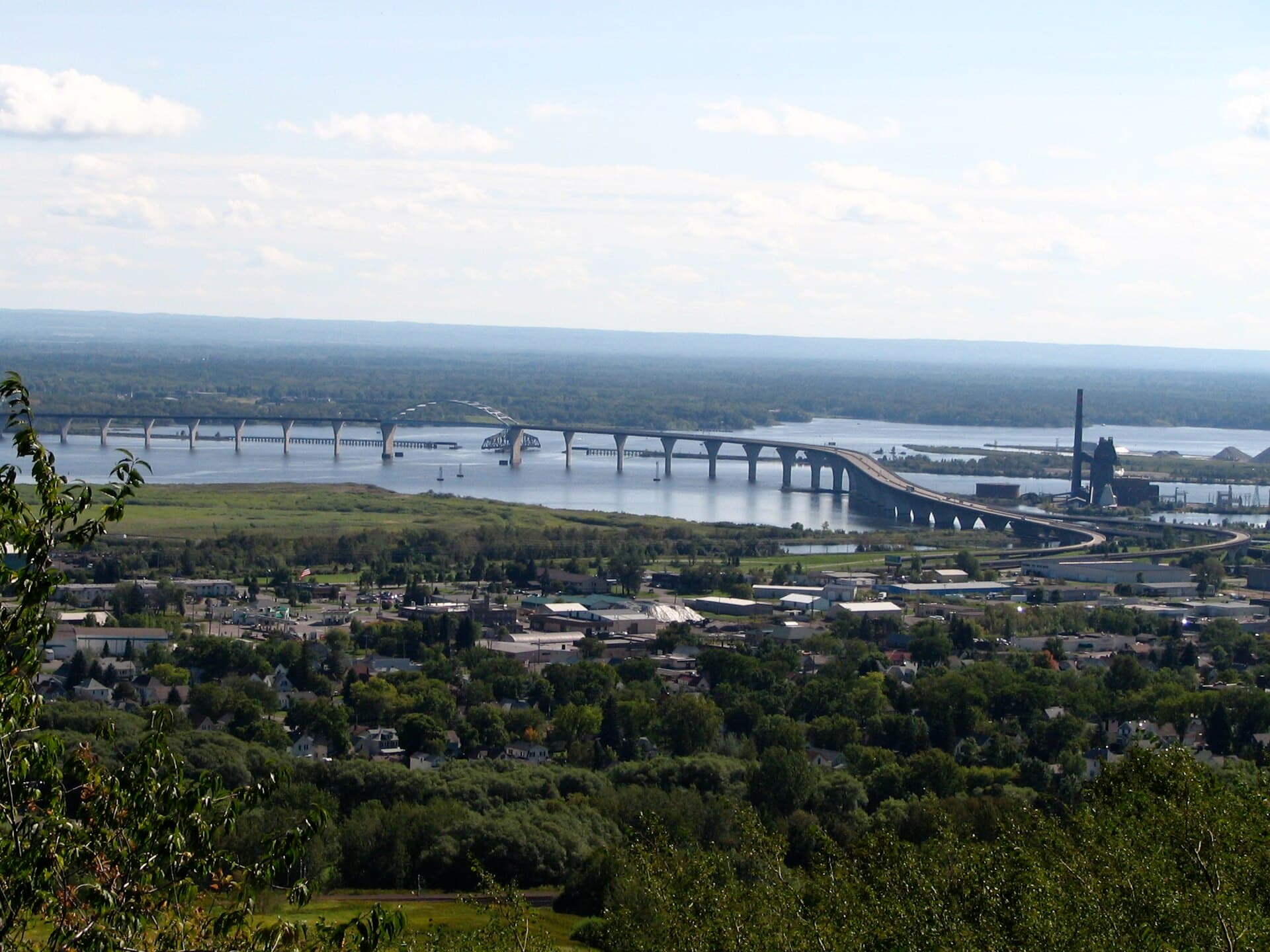
The bridge matters in this region because it links Duluth and the broader Twin Ports area with Superior, a daily route for traffic and commerce that normally carries people past the water without fanfare. On Saturday, it carried a different message: residents chose a landmark built for movement to make a statement about the country’s direction and the responsibilities of citizenship.

The event was not staged as a private reflection. It was a visible, collective action in which people gathered together on a holiday tied to the American flag, then used that setting to voice concern about democracy. That blend of ritual and protest gave the crossing a weight beyond its usual role as transportation infrastructure.
For St. Louis County residents watching civic life across the Northland, the scene also offered a measure of how national anxieties travel into local places. The bridge walk underscored that political engagement is not confined to election seasons, council chambers or formal rallies. It can appear in a crowd on a span over the harbor, where a public landmark becomes a backdrop for warning, remembrance and solidarity.
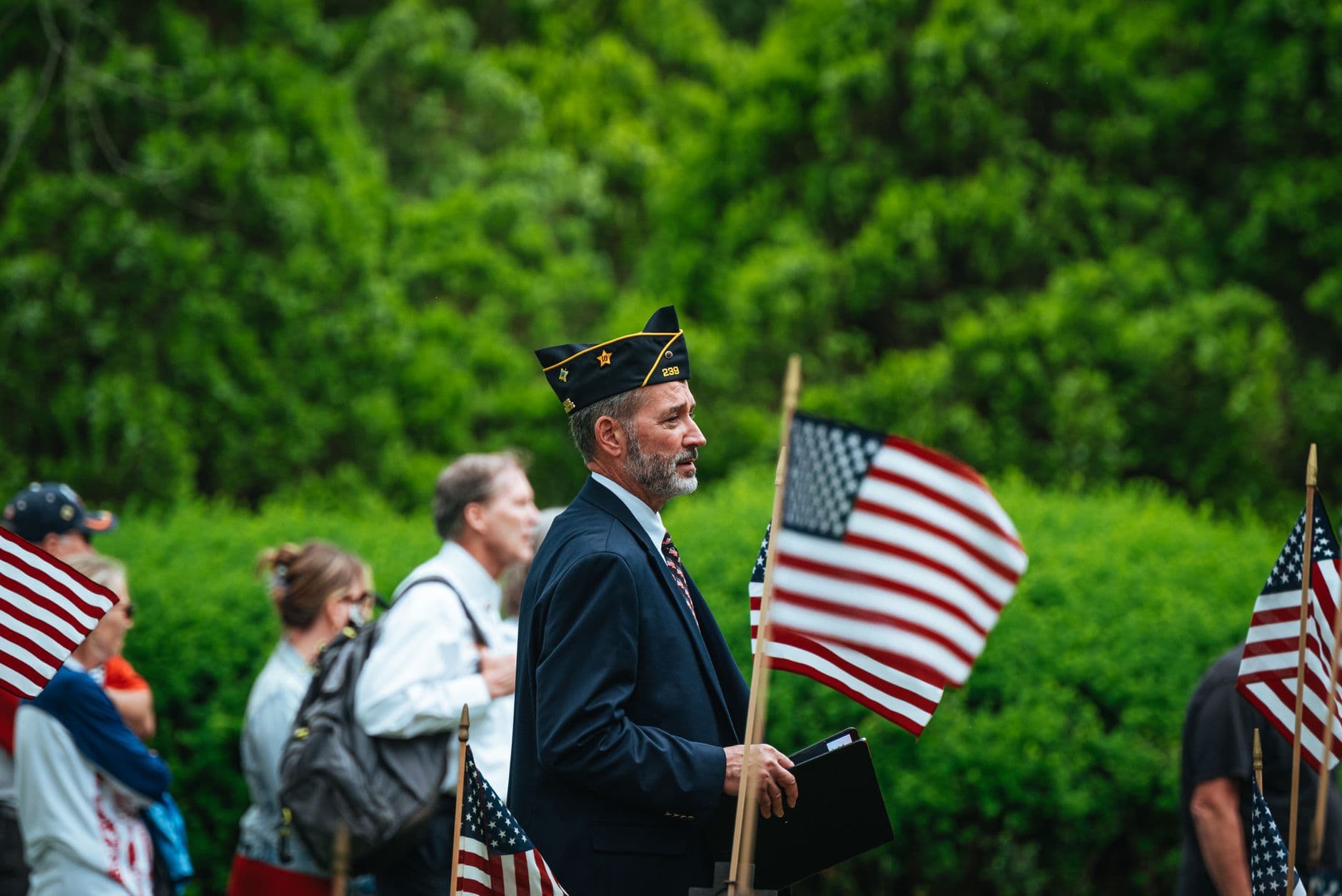
The scale of the gathering mattered as much as the symbolism. By showing up in the hundreds, participants made the bridge itself part of the message, using one of the region’s most recognizable crossings to say that concern about democracy is not abstract. In a place where geography already connects communities across municipal lines, the walk framed civic participation as something shared, visible and meant to be seen by anyone crossing the Bong Bridge that day.
That choice made Flag Day more than a holiday observance. It became a local barometer of civic anxiety, with Northland residents turning a familiar route into a public declaration that the health of democracy belongs in view, not out of sight.
This article was produced by Prism’s automated news system from verified source data, official records, and press releases, then run through automated quality and moderation checks before publishing. The system is built and supervised by the people who set the standards it runs under. Read our full AI policy.
Did this article answer your question?