Iron Range Leaders Condemn Trump's European Steel White House Choice
Trump took $37 million in Luxembourg steel for a White House ballroom while 600-plus St. Louis County miners at idle Minorca and Hibbing Taconite operations sit without paychecks.
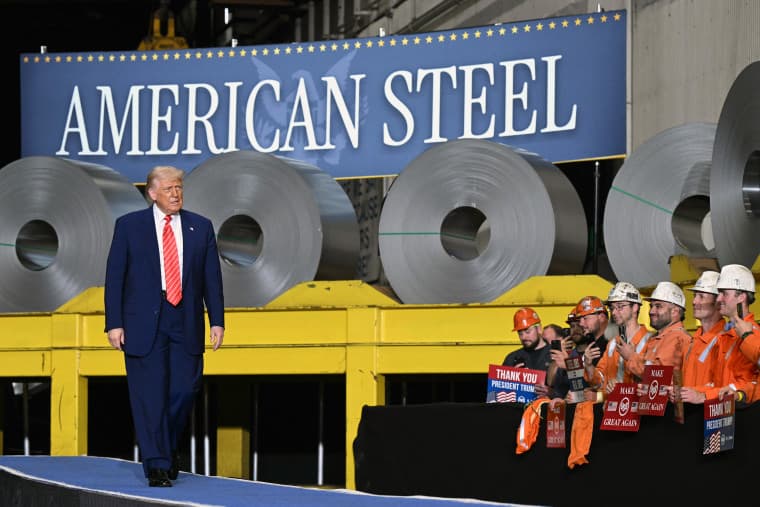
Six hundred miners from St. Louis County's Iron Range spent more than a year without work after Cleveland-Cliffs shuttered its Minorca mine in Virginia and partially idled Hibbing Taconite near Hibbing. Now they know where some of that steel demand went: a White House ballroom renovation in Washington.
The Trump administration accepted a $37 million donation of steel produced in Europe from Luxembourg-based ArcelorMittal for the new White House ballroom, a detail that surfaced April 8. The move drew immediate condemnation from Iron Range labor and political figures who said it exposed the hollow core of an "America first" manufacturing promise the administration has wielded while imposing sweeping steel tariffs on foreign competitors.
"I didn't believe it at first," said Al King, president of United Steelworkers Local 6115, which represents workers at the idled Minorca mine and pellet plant in Virginia, Minnesota. "I thought it was fake news."
It wasn't. Minorca has been idled since last spring. Hibbing Taconite, which Cleveland-Cliffs manages, was partially idled at the same time. Together the two St. Louis County facilities accounted for more than 600 layoffs: roughly 340 at Minorca and 250 at HibTac, according to state Sen. Grant Hauschild. Hibbing Taconite's output had already cratered from 5.2 million tons of iron ore pellets in 2024 to a projected 2.8 million tons in 2025, a 46 percent production collapse tied to weak domestic automotive steel demand.
"It's sad to hear the administration is going to use foreign steel when we have 600 steelworkers laid off due to lack of demand for steel," said John Arbogast, USW District 11 staff representative.
The irony in ArcelorMittal's role runs deep: the Luxembourg company formerly owned Minorca Mine itself before selling it to Cleveland-Cliffs in 2020. The same firm now supplies the White House while the mine it once ran sits dark and its 340 former employees wait for a restart date that hasn't come.
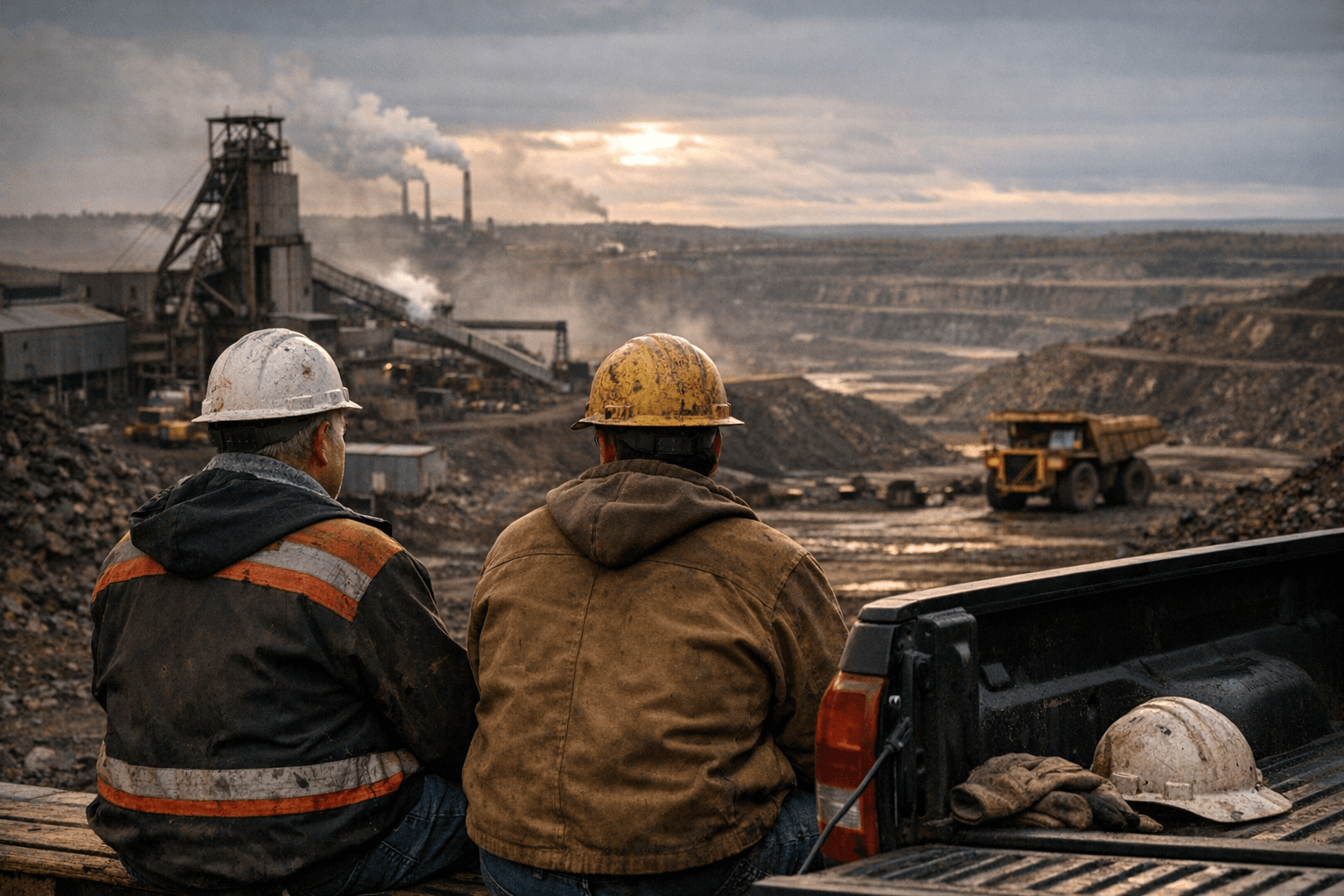
Hauschild, a Democrat from Hermantown representing the Iron Range in the Minnesota Senate, called the decision a "disgrace." A further complication emerged alongside the donation: around the same time ArcelorMittal agreed to provide the steel, the White House agreed to cut in half the tariffs on automotive steel exported from ArcelorMittal's Canadian plant. The White House characterized the timing as coincidental.
Sen. Amy Klobuchar said Trump had his priorities wrong. "The president should be focused on supporting American manufacturing and lowering costs, not on building ballrooms," Klobuchar said. "He should absolutely be prioritizing what's made right here at home."
Rep. Pete Stauber, the Hermantown Republican who holds Minnesota's 8th Congressional District seat encompassing the Iron Range, did not respond to questions about whether he was disappointed or would urge Trump to source domestic steel. The White House similarly declined to comment.
The Duluth News Tribune called the White House steel decision a "gut shot" for the region's laid-off miners. With Minorca and Hibbing Taconite still operating without any restart timeline, the question local union leaders keep asking is no longer rhetorical: if American steel isn't good enough for the president's own house, what federal contract or infrastructure order will actually put St. Louis County miners back to work?
This article was produced by Prism’s automated news system from verified source data, official records, and press releases, then run through automated quality and moderation checks before publishing. The system is built and supervised by the people who set the standards it runs under. Read our full AI policy.
Did this article answer your question?