ISD 2142 details 1.4 million-mile bus challenge, route changes
ISD 2142 ran 1.4 million bus miles last year across 4,200 square miles, and leaders are now weighing route changes to protect classrooms from rising costs.
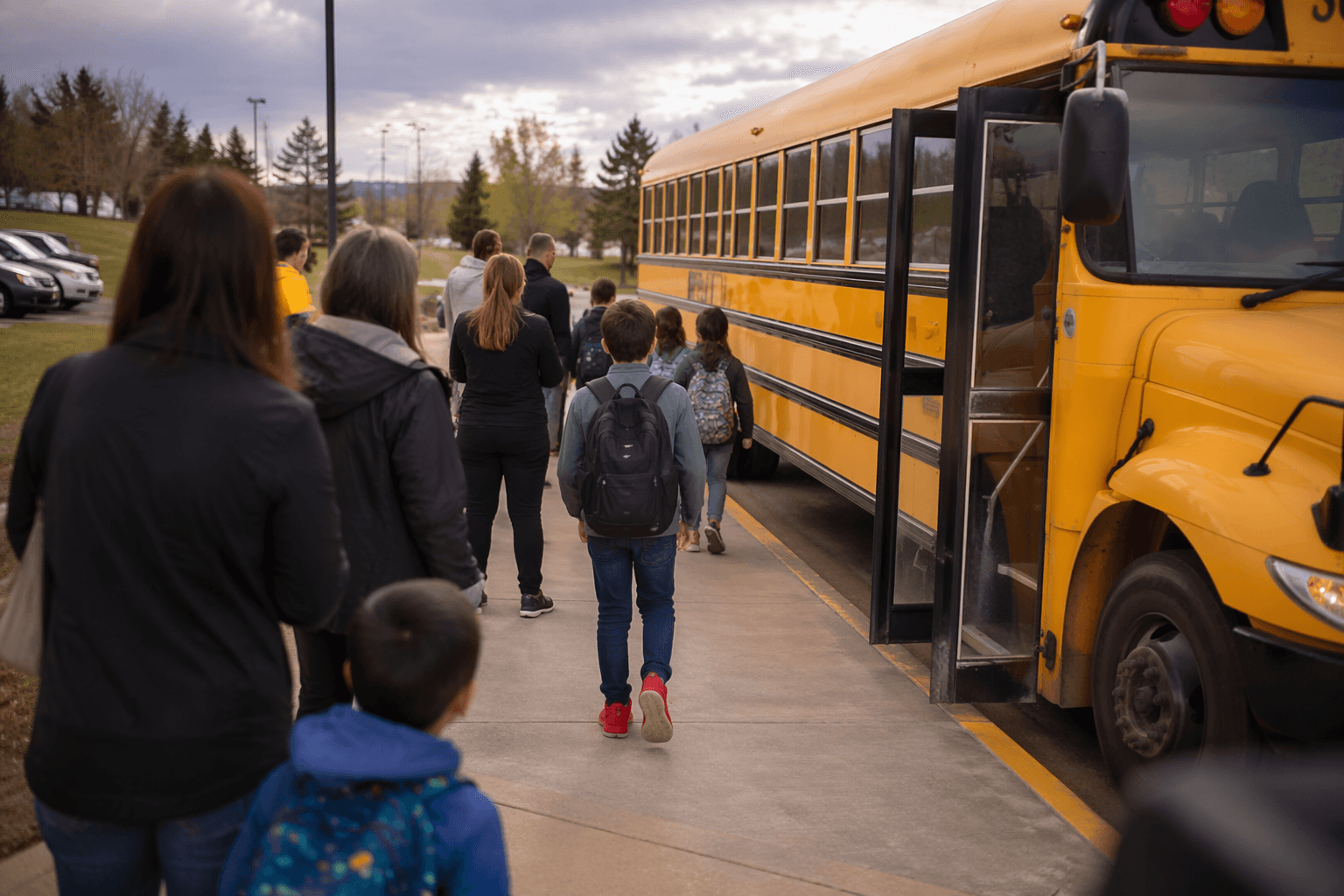
ISD 2142 moved students across about 4,200 square miles last year, logged roughly 1.4 million miles, and kept 30 bus routes and 23 van routes on the road, a scale that makes transportation one of the district’s most expensive and delicate operations.
Transportation Director Kay Cornelius laid out those numbers for the school board in Virginia, Minnesota, underscoring how geography drives decisions that many districts never face. In a system that stretches across the Iron Range and surrounding communities, every route has to account for weather, road conditions, long distances and the spread of towns between schools. That means even small route shifts can change ride times, staffing demands and how many vehicles the district needs each day.
Those choices are landing in the middle of a tightening budget. In February 2026, ISD 2142 approved $1.75 million in cuts for the next school year as enrollment kept falling. The district projected 1,722 students for fall 2026, nearly 300 below its recent high of 2,016 in 2019-20. Finance Director Kim Johnson said the district had lost $7.3 million in general education revenue since 2021 and was nearing statutory operating debt.
The transportation review comes after another hard budget step in June 2025, when the board approved a $2.5 million general fund deficit for 2025-26. Johnson said then that the district had lost more than 200 students since before the COVID-19 pandemic, and that the decline meant about $2 million in annual state aid had disappeared. With less revenue coming in, transportation efficiency is no longer just a back-office problem. It affects how much the district can spend on teachers, classroom programs and the schools that anchor communities from North Woods School and Cherry School to Northeast Range School, South Ridge School and Tower-Soudan Elementary School.
The district’s challenge also reflects a larger Minnesota policy problem. State House materials have repeatedly said transportation sparsity aid is based mainly on enrollment and students per square mile, not on the total miles buses actually travel. A 2021 House report said that when categorical pupil transportation funding was eliminated about 25 years ago, the state later added a sparsity formula that still covered only 18.2% of remaining transportation deficits. A bill tied to Rep. Julie Sandstede would have raised that adjustment to 70% of unfunded costs, arguing that districts should not have to pull classroom dollars into bus service.
For ISD 2142, those numbers sharpen the same question facing board members now: how to keep a far-flung public-school network safe, reliable and financially sustainable when every extra mile carries a cost taxpayers can feel.
This article was produced by Prism’s automated news system from verified source data, official records, and press releases, then run through automated quality and moderation checks before publishing. The system is built and supervised by the people who set the standards it runs under. Read our full AI policy.
Know something we missed? Have a correction or additional information?
Submit a Tip