Karpeles Manuscript Library Museum in Duluth set to close, collection moving to Florida
Duluth is losing a free stop for rare history and school visits as the Karpeles museum prepares to close and ship its collection to Florida.

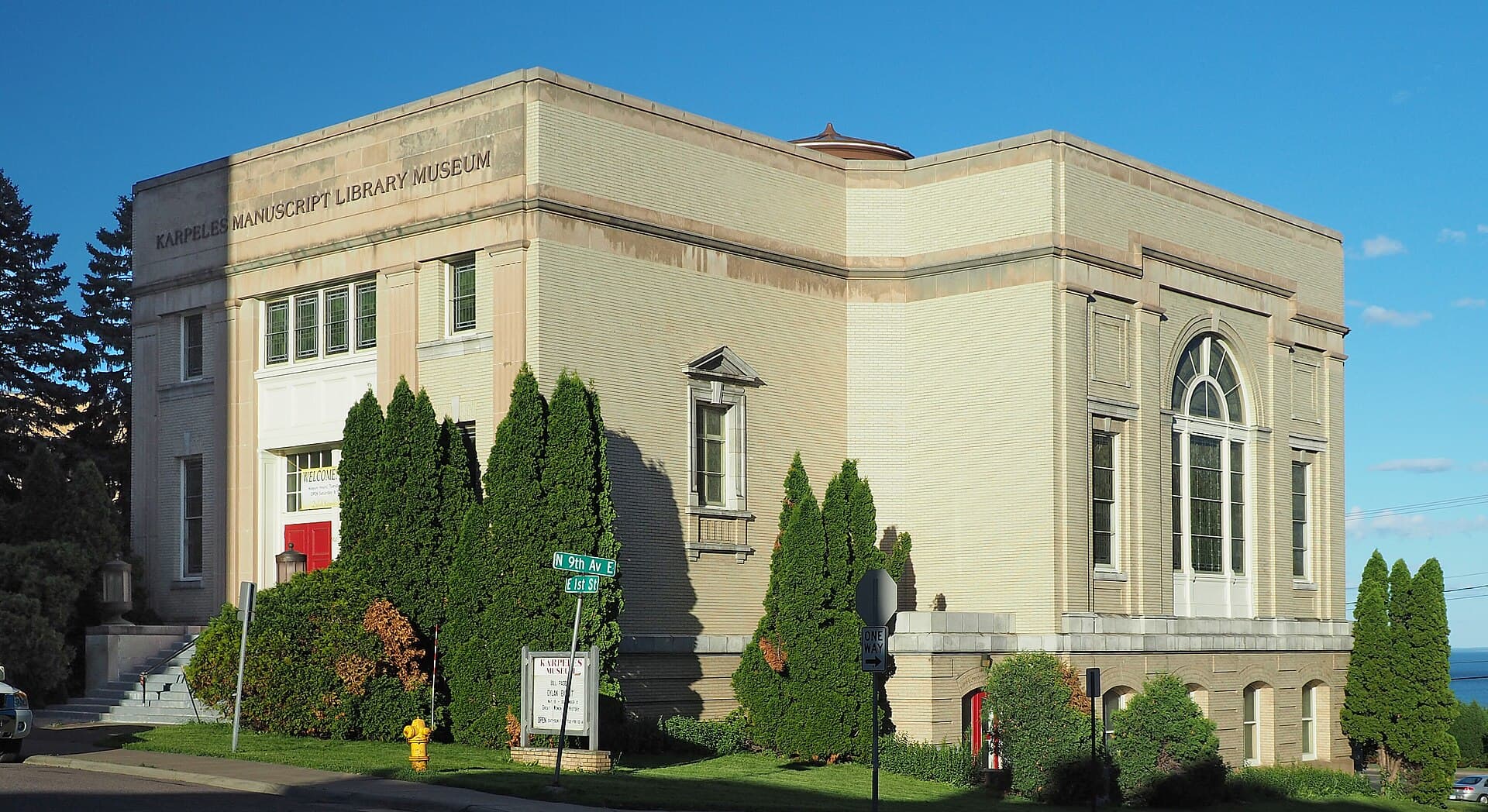
Duluth is about to lose one of its most unusual free attractions. The Karpeles Manuscript Library Museum, housed in a renovated 1912 church on East First Street in East Hillside, is seeking a buyer for 902 E. First St. and expects to close permanently once the building sells.
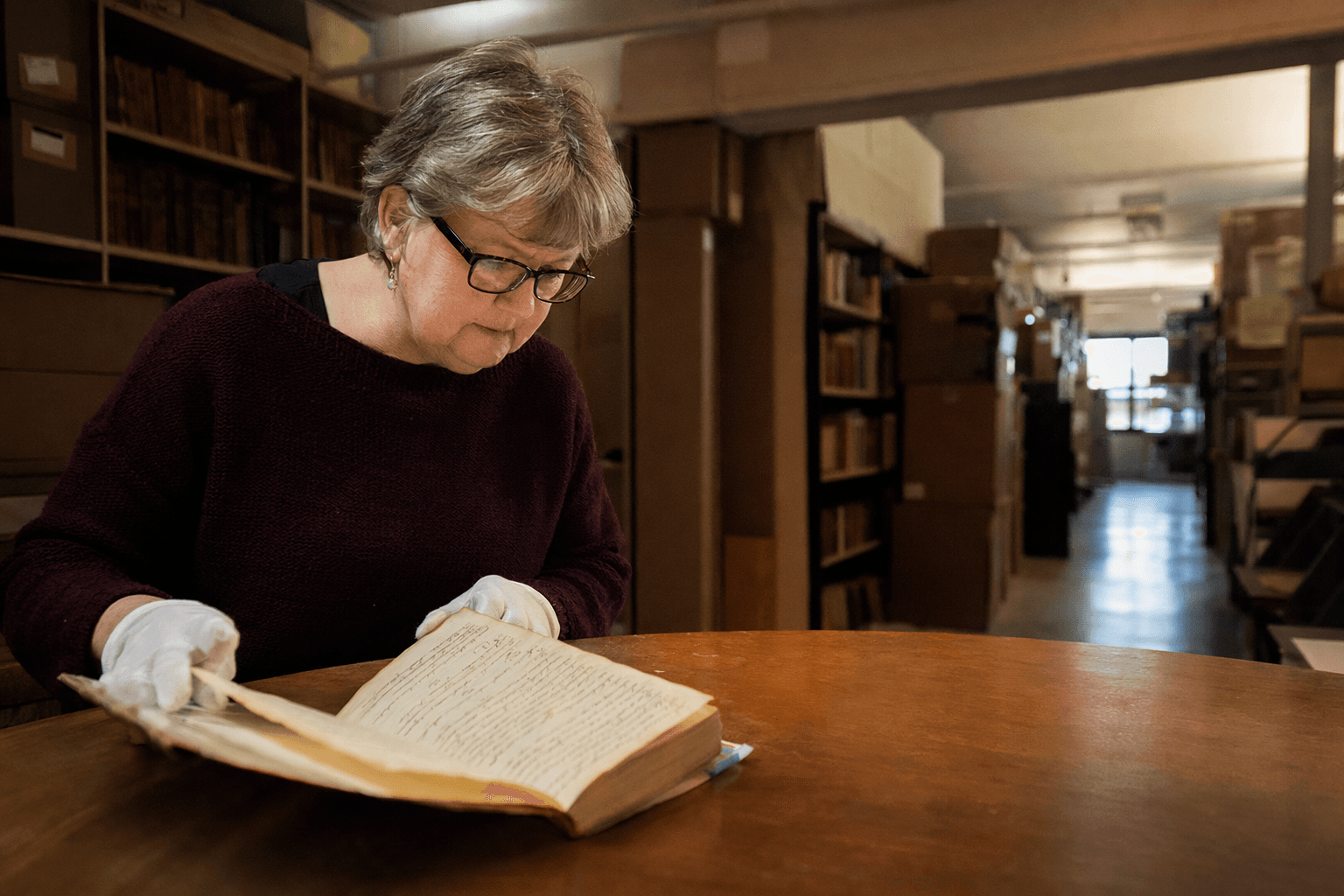
The closure ends more than 30 years of local access to a collection of rare letters, historical documents and rotating exhibits that drew students, history fans and casual visitors without an admission fee. Founded in 1983 by David and Marsha Karpeles, the museum network says its archive holds more than a million historical documents spanning literature, science, religion, political history, exploration, music and art. All Karpeles museums are free to visit, and the collection rotates among sites three times a year, which has long made the Duluth branch part of a broader traveling exhibition system rather than a one-time display.
The move is a loss for East Hillside and for downtown Duluth’s cultural mix. The branch marked its 30th anniversary in 2024, underscoring how long it had been part of the city’s landscape. For local residents, the shutdown means the disappearance of a low-barrier place where a family, a class or a visitor could walk in and encounter original documents tied to American and world history without paying a ticket price. Once the building is sold, that local footprint will shrink sharply.
Cheryl Karpeles Alleman said the decision to close the Duluth museum was financial. The family behind the collection plans to consolidate more than a million manuscripts in St. Augustine, Florida, while also digitizing items and leaving open the possibility that selected pieces could return to Duluth for short-term loans or community programming. That offers some hope of a limited local connection, but it is not the same as having the museum open on East First Street.
The Duluth branch was one of the last surviving outposts from a once-national network of Karpeles museums, and its loss leaves the city with one fewer place where history is freely available at street level. For a neighborhood and a downtown that both benefit from steady foot traffic, it is another quiet cultural retreat that residents can no longer count on.
This article was produced by Prism’s automated news system from verified source data, official records, and press releases, then run through automated quality and moderation checks before publishing. The system is built and supervised by the people who set the standards it runs under. Read our full AI policy.
Did this article answer your question?