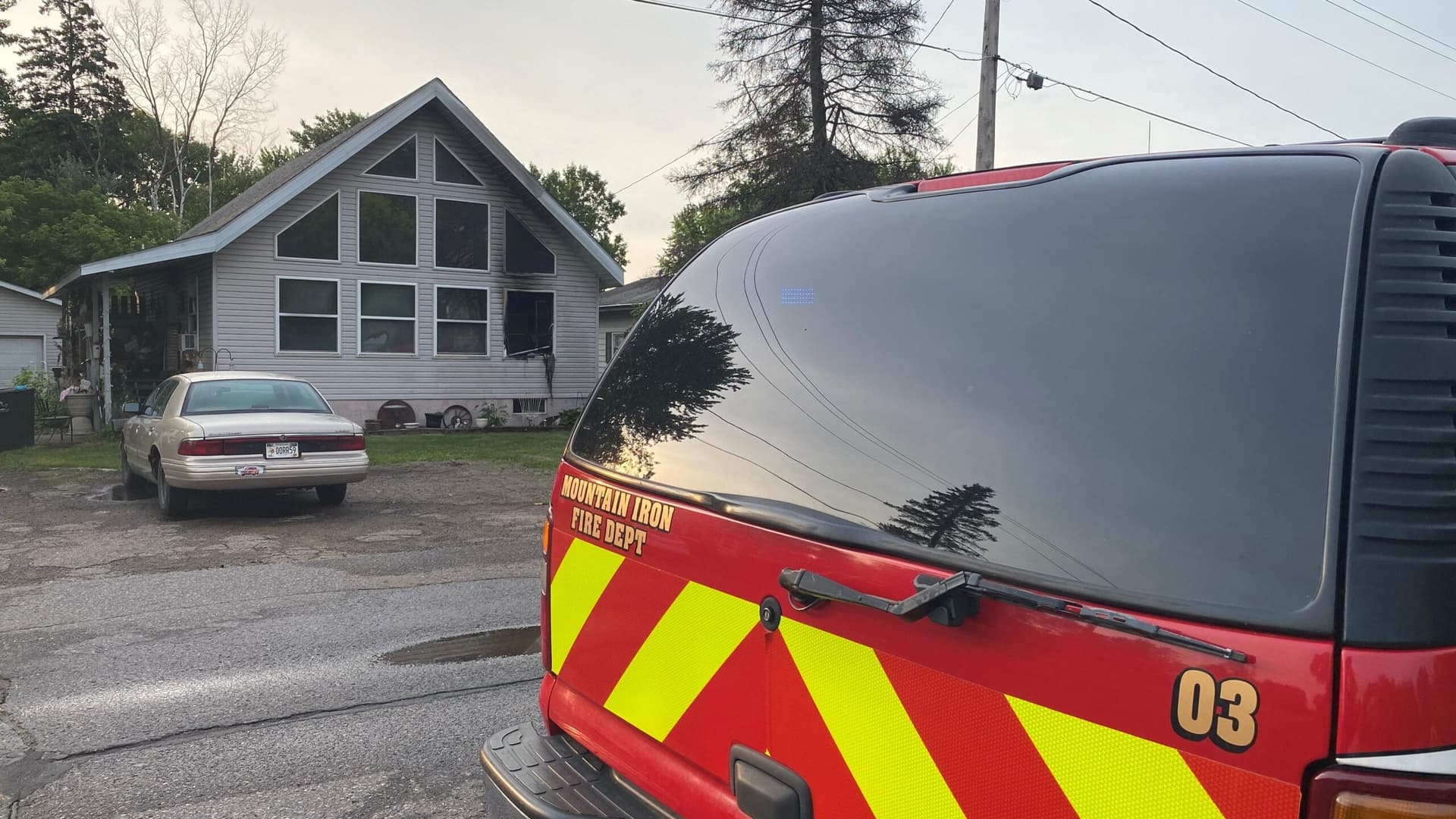
Kinney Pit stocking turns old mine land into fishing habitat
Kinney Pit is more than a scenic mine lake. A 40-year stocking program shows how reclaimed land is being managed as a working public fishery.
A reclamation project that has to prove its value
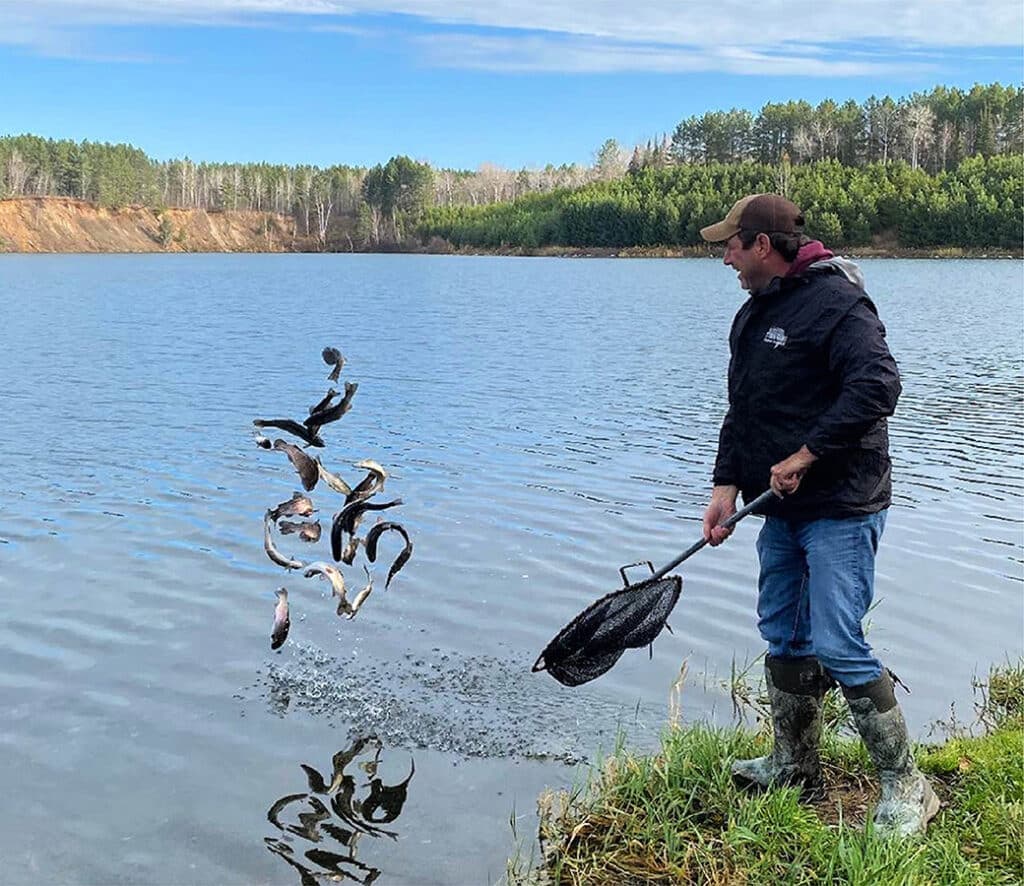
A 400-pound load of fish arriving in an aerated tank is not a ceremonial gesture at Kinney Pit. It is the latest move in a program that has been running since 1984, turning former mine land on the Iron Range into water that people actually use. For St. Louis County and the broader region, the question is not whether the pit looks better than an abandoned excavation, but whether reclamation delivers durable public benefit, and Kinney Pit is one of the clearest examples of that test.
Iron Range Resources & Rehabilitation and the Minnesota Department of Natural Resources began stocking open mine pit lakes as part of mineland reclamation work, and the state agency says the DNR advises which pits to stock and how many fish to use. That matters because it shows this is a managed public program, not a one-time publicity event. The same landscape created by iron mining is now being maintained as habitat and fishing water, with recurring decisions about species, quantities and access.
What happened at Kinney Pit
Larry Ladewig of Stockton Trout Farm has been making the trip from south of Rochester for 25 years, bringing fish north in an aerated tank to Kinney Pit. That continuity is one of the most important facts in the story: the work has survived long enough to become routine, which is what a real public program looks like when it is functioning. It also underscores how much of the region’s recreation economy depends on steady maintenance, not just initial construction.
Kinney Pit itself is not a small pond created for show. The recreation area is the former site of Kinney Mine, established in 1902 as a shaft mine and later converted to an open pit mine. The pit covers 51 acres and drops 160 feet deep, giving it the depth and volume that make it suitable for stocking. The pit is named for O.D. Kinney, the first explorer of the area, which ties the site’s mining history to its present-day role in outdoor recreation.
Why these pit lakes can support fish
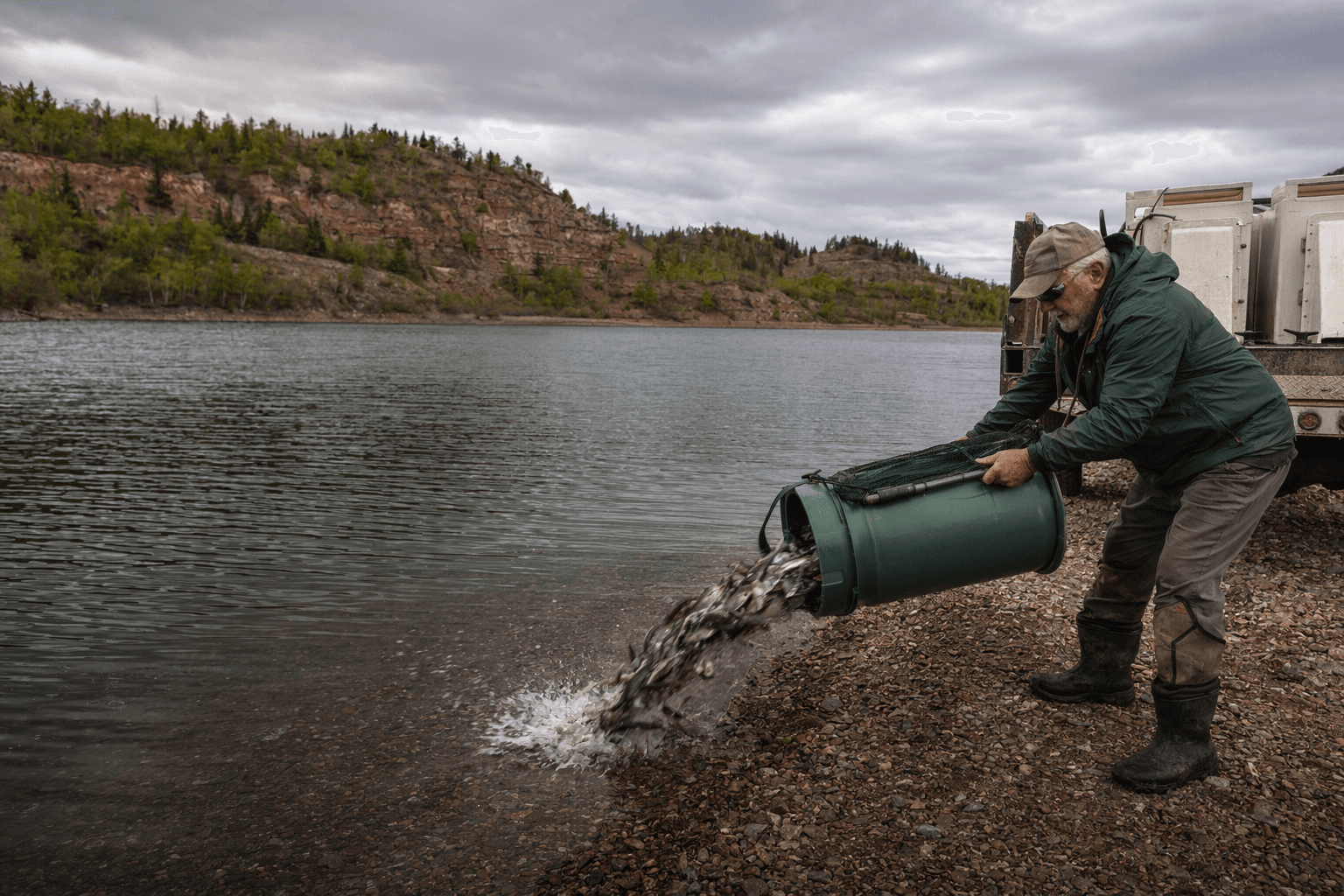
The reason these old mine pits are being turned into fisheries is straightforward: they naturally filled with water over time. Iron Range Resources & Rehabilitation describes them as legacy mine pit lakes, former iron mines that became water bodies after mining ended. Another agency explanation says the water tends to be deep, clear, cool and clean, conditions that help support fish habitat and recreational use.
That is why the species mix has changed over time. Early stocking included lake trout, brook trout, bluegill, crappie and walleye, but rainbow trout later became the main species stocked. Minnesota DNR guidance adds an important operational detail: rainbow trout are stocked fish and generally do not reproduce in the lakes and streams where stocking is used. In practice, that means the fishery depends on recurring stocking rather than self-sustaining natural reproduction, which makes the long-term public investment visible and measurable.
Since 1984, the Iron Range Resources and Rehabilitation Board’s mining and reclamation division has stocked more than 210,000 pounds of fish in 21 area mine pit lakes. That number gives the program scale. It is not a symbolic experiment at a single site, but a regional reclamation strategy spread across multiple pit lakes and multiple communities.
What Kinney Pit offers beyond the stocking truck
Kinney Pit has also been built out for use on land as well as in the water. Great Scott Township added a 24-foot dock at the public boat landing, a 40-foot fishing pier, picnic tables, a picnic shelter, grills and firepits. IRRR assisted with the original development, which shows that reclamation at this site was paired with public access from the start rather than treated as an afterthought.
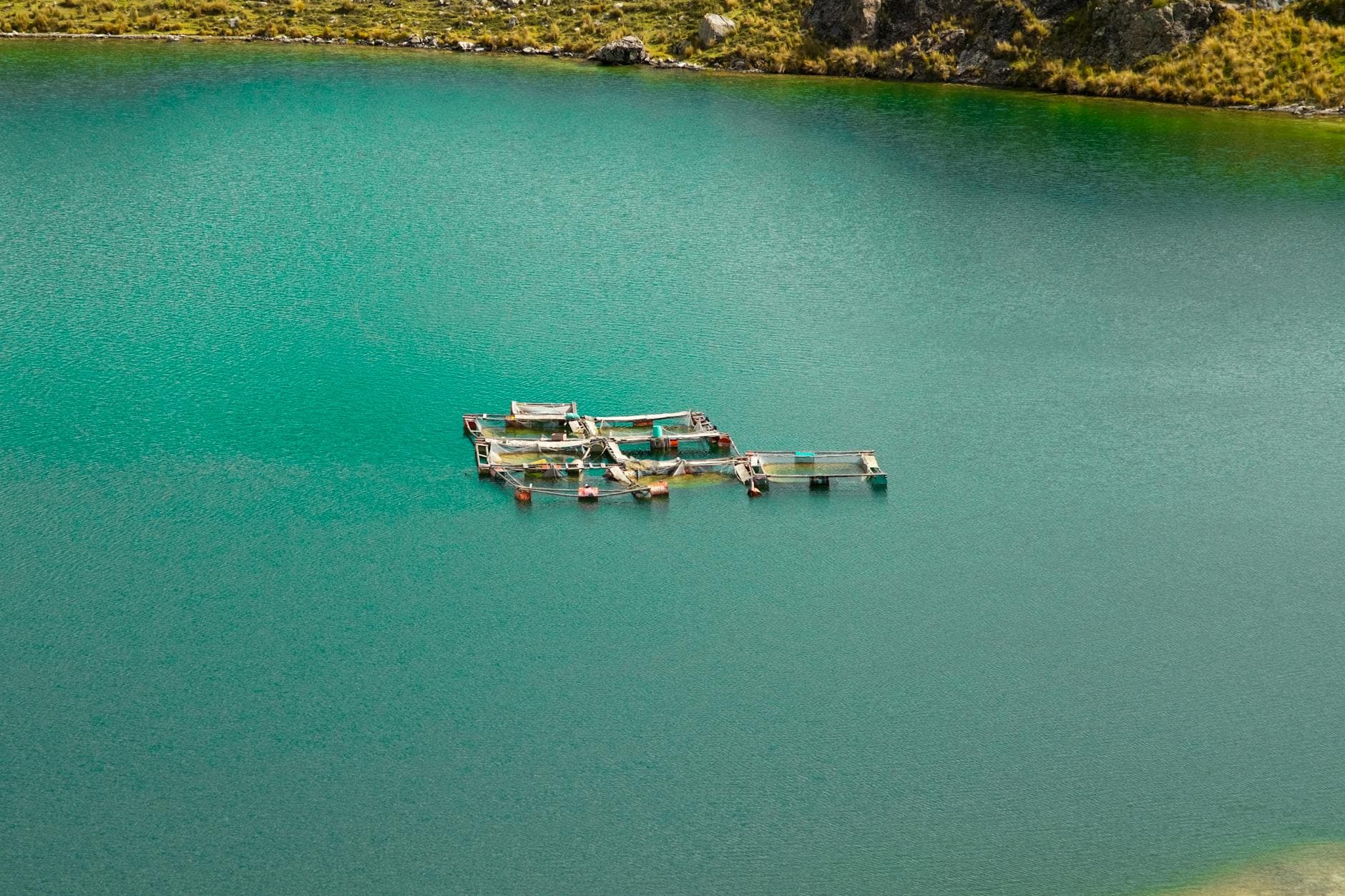
The recreation profile says the lake is stocked with bluegill, brook trout, northern pike, rainbow trout, white sucker and yellow perch. It also says the lake is fished by both locals and tourists, a useful detail because it shows the site serves more than one constituency. Local residents get a nearby fishing water, while visitors get a restored landscape that still bears the imprint of mining history.
That combination of amenities is what makes Kinney Pit useful as a policy case study. A mine site that once existed to extract ore now supports angling, shoreline use and a public gathering space. The dock and pier are not cosmetic additions; they are the infrastructure that turns a reclaimed pit into a functioning community asset.
What this says about mine reclamation in St. Louis County
For St. Louis County and the Iron Range, Kinney Pit is evidence that reclamation can be judged by more than cleanup milestones. A safe closure is important, but public value is what gives a reclaimed site a second life. In this model, success means fish are stocked, access is built, the water remains usable, and the site continues to draw residents and visitors decades after mining ended.
That is why the Kinney Pit stocking program has lasted. It is tied to a clear management structure, it has a documented history stretching back to 1984, and it has produced a public space with measurable features: 51 acres of water, 160 feet of depth, a dock, a fishing pier and a fishery that requires continued maintenance. Across the Iron Range, those are the benchmarks that separate a closed mine from a reclaimed one with real civic value.
This article was produced by Prism’s automated news system from verified source data, official records, and press releases, then run through automated quality and moderation checks before publishing. The system is built and supervised by the people who set the standards it runs under. Read our full AI policy.
Did this article answer your question?