Kristi Stokes keeps pushing for a brighter downtown Duluth
Kristi Stokes has spent a quarter-century pushing downtown Duluth, but the real test is visible in vacancies, foot traffic and the small wins now piling up.

A long campaign, not a short burst
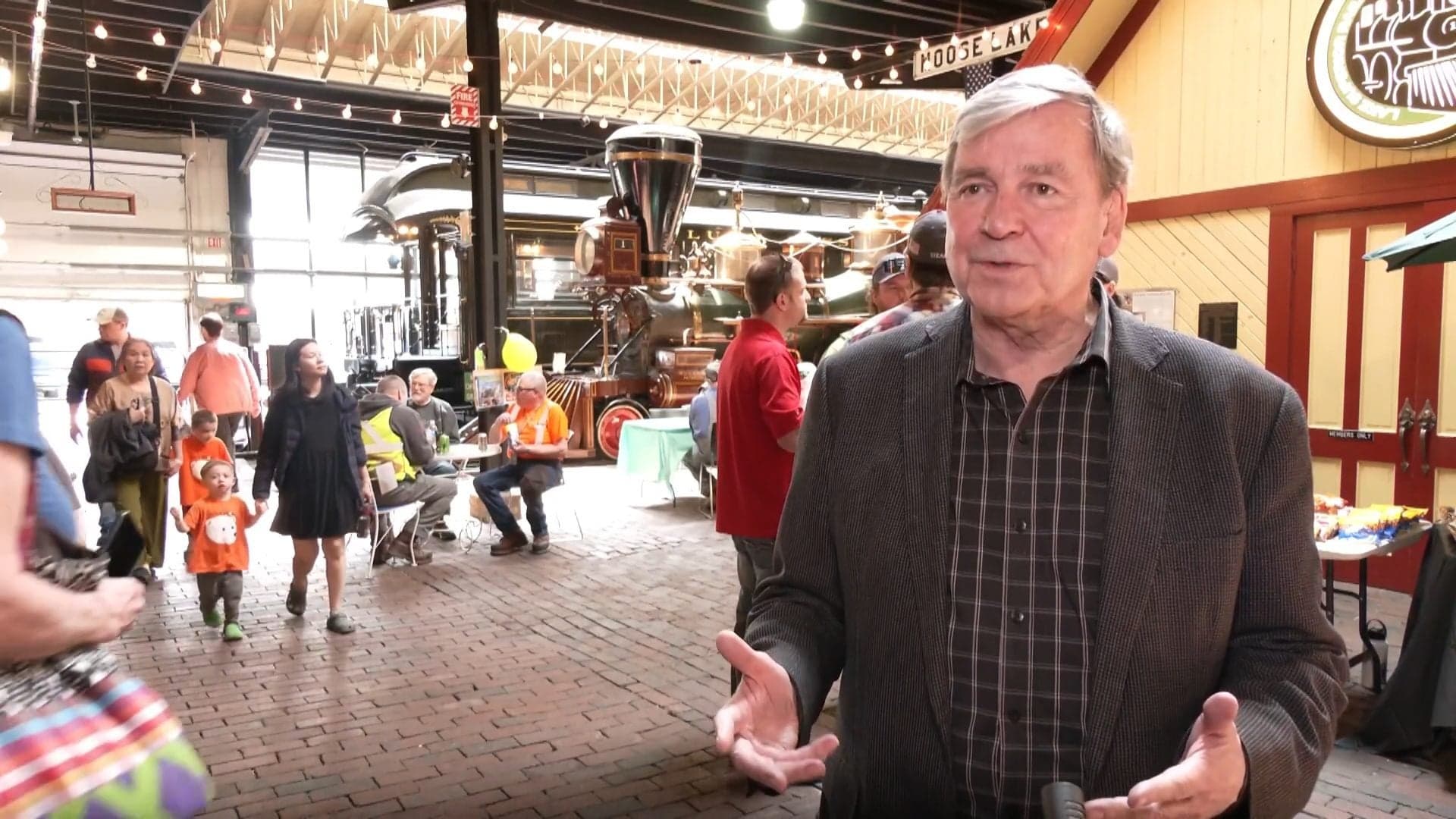
Kristi Stokes has become one of downtown Duluth’s most durable civic constants, the kind of leader whose value is measured less by fresh slogans than by how long she stays in the work. The 2007 News Tribune 20 Under 40 profile that once showed her with a 2-year-old toddler now reads differently: the child is older, but her drive for a brighter downtown has not faded.
That persistence matters because downtown Duluth is not a side project. It is the city’s economic and cultural core, where office space, retail, restaurants, events and tourism all depend on the same few blocks feeling active, safe and worth returning to. Stokes’ role as president and C.O.O. of Downtown Duluth places her at the center of that effort, but the story around her is bigger than one person. It is about whether a long-running civic machine can keep delivering measurable results in a post-pandemic downtown.
What downtown Duluth is actually trying to fix
The clearest way to judge the downtown push is by the numbers, and those numbers show why the work remains unfinished. A 2023 report put downtown Duluth’s office vacancy rate at about 21 percent, a serious hole for a district that once relied heavily on weekday workers to keep sidewalks full and storefronts viable. City leaders have also estimated that only 50 to 60 percent of downtown workers had returned after the pandemic, leaving the area with a gap in the daily foot traffic that supports lunch counters, retail, service businesses and evening activity.
That is why the conversation around downtown has shifted from simple restoration to reinvention. The task is no longer just to bring workers back, but to replace lost volume with more residential life, more after-hours use and more reasons for people to stay downtown beyond the workday. In that context, Stokes’ role is not ceremonial. She sits inside a policy and business challenge that affects landlords, employees, restaurant operators, event organizers and residents who want a more active core.
The organization behind the optimism
Downtown Duluth’s own structure shows how much of this work depends on coordination. The organization’s staff page lists Stokes as president and C.O.O., with Lauren Aldinger handling projects and Melissa LaTour serving as special events coordinator. That staffing picture matters because downtown revitalization is not a solo act. It takes project management, event programming and constant outreach to keep the district visible and useful.
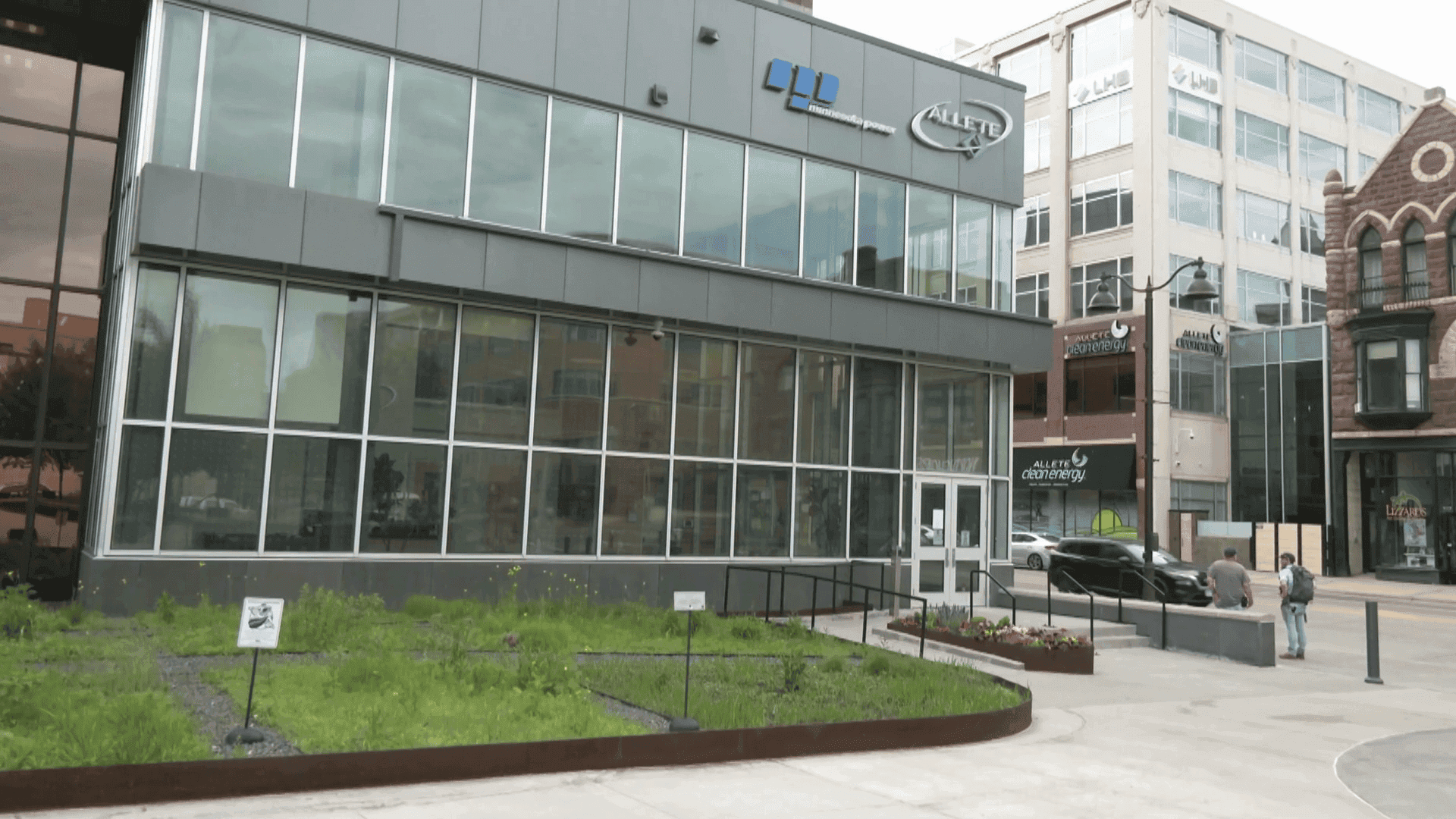
The organization itself has changed names, but not mission. It rebranded from the Greater Downtown Council to Downtown Duluth in 2021, a shift Stokes said was meant to simplify the name and clarify the service area. That was a branding move, but also a strategic one. A cleaner identity can help the public understand who is responsible for what, especially in a district where the same organization has to deal with business retention, image, events and long-term planning at once.

There is also a deeper institutional history behind the work. The Duluth Downtown Waterfront District was created after property-owner petitions in 2004, approved by ordinance later that year and unveiled in January 2005. It was recertified in 2010, 2015 and 2020. That timeline shows downtown recovery is not a new campaign launched for a news cycle. It is a special-service structure that has been renewed repeatedly because the city still sees value in having a dedicated downtown organization.
The task force years exposed the scale of the challenge
The pandemic sharpened the focus on downtown, but the problems were already visible before that. In 2022, Duluth’s Downtown Task Force issued 27 recommendations aimed at safety, perception, blight and activation. Stokes served as a co-chair, putting her in the middle of a process that tried to turn frustration into specific action.
Those recommendations matter because they show how broad the downtown problem has become. This is not only about filling empty offices. It is about whether streets feel welcoming, whether storefronts look cared for, whether public spaces draw people in and whether a district that once depended on workers can evolve into a place where people also live, gather and spend time after dark. When city leaders held an update on task force progress, then Mayor Emily Larson joined co-chairs Shaun Floerke and Stokes, underscoring that downtown revival had become a citywide priority rather than an isolated business issue.
Mayor Roger Reinert made the same point in his first State of the City address on April 25, 2024, at Denfeld High School, where downtown revival and housing were among the major themes. That setting was a reminder that downtown Duluth is now part of a larger policy conversation about what kind of city Duluth wants to be, and who gets to live and work in its center.
Small dollars, visible pressure
Some of the most practical downtown efforts have been deliberately modest. Downtown Duluth helped distribute $2,500 revitalization grants to 10 businesses, a small-dollar intervention meant to encourage foot traffic and storefront improvements. The scale is not enough to solve an office vacancy problem on its own, but it reveals the organization’s approach: many little fixes, each aimed at making the district feel more active and more investable.
That is the real lens for judging Stokes’ work. The measure is not whether downtown sounds optimistic, but whether the optimism shows up in occupied space, busier sidewalks, better-maintained blocks and businesses that decide to stay open. A quarter-century into her run at the center of downtown Duluth, Stokes is still pushing in that direction, and the city’s long-term test is whether the district can keep turning civic persistence into visible change.
This article was produced by Prism’s automated news system from verified source data, official records, and press releases, then run through automated quality and moderation checks before publishing. The system is built and supervised by the people who set the standards it runs under. Read our full AI policy.
Did this article answer your question?